Share the post "TeoSport presents REI PX, a cycling pad for road and gravel"
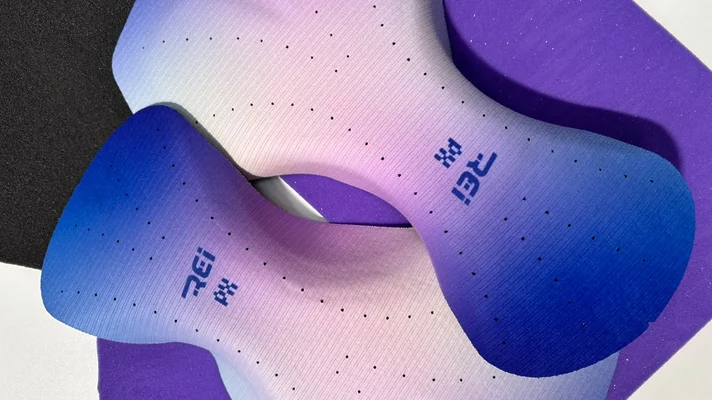
This equipment relies on a structure made of independent foam elements. These elements compress and flex individually under load. The goal is to provide a stable base while distributing pressure.
Source: press release
This design aims to adapt to pelvic movements and facilitate airflow. While pedaling, the position of the pelvis changes continually. Pressure on the saddle varies depending on intensity, posture, and the type of terrain. PX technology responds to this variability through its segmented construction. Rather than a single surface, it uses distinct blocks that move separately.
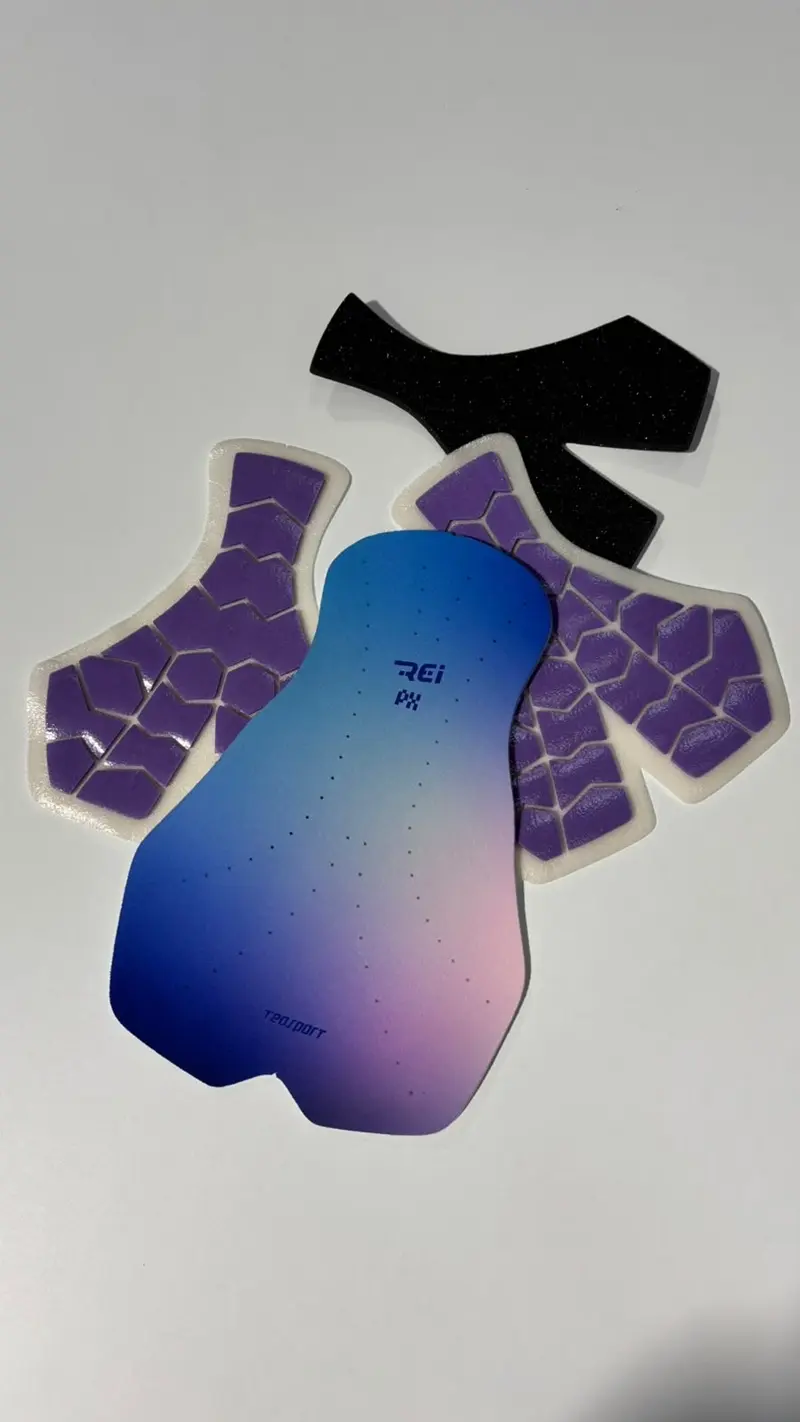
The entire structure thus adjusts to the cyclist’s changing positions. The three-dimensional manufacturing incorporates 90° thermoforming of the side flaps. A special 45° cut of the foams follows the body’s natural contours. The progressive geometry of the foams eliminates thickness irregularities. This ensures a smooth transition between the different zones of the chamois.

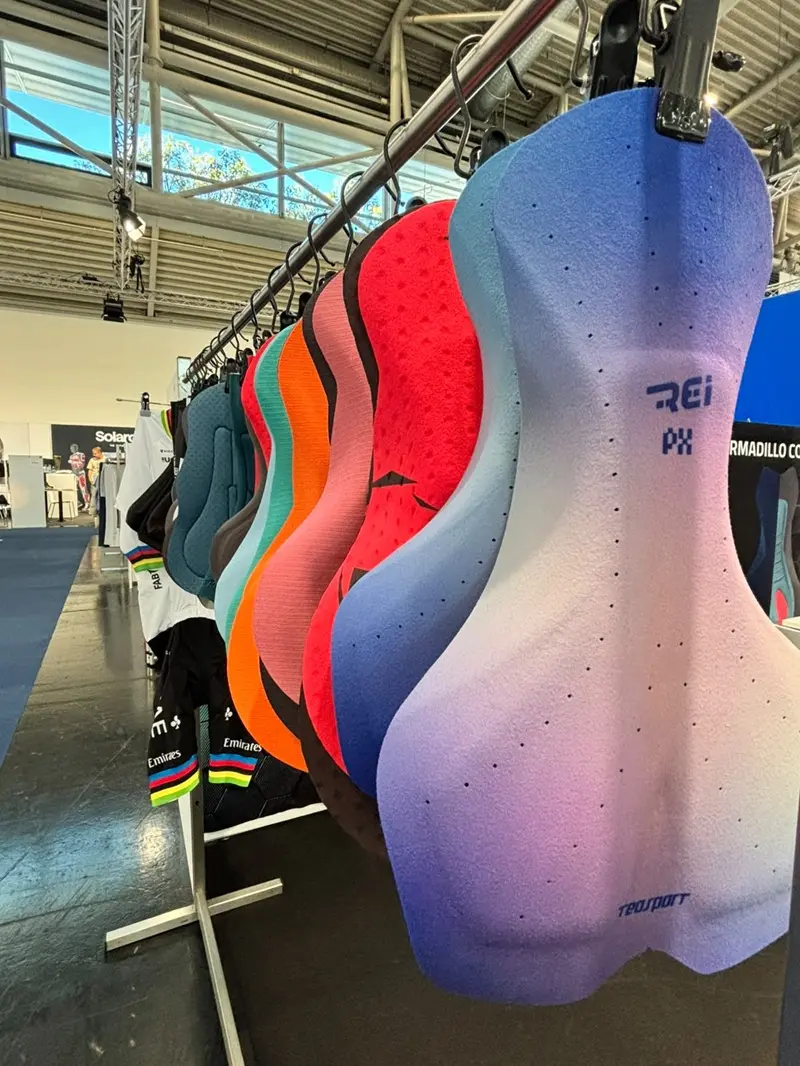
The structure reduces unnecessary thickness and friction on the saddle. Ventilation is another key focus of this development. The spaces between the PX elements form heat-release channels. They also help dissipate moisture in areas of intense contact. Furthermore, the base features mechanical perforations across the entire surface of the chamois. This system improves overall breathability between the body, the chamois, and the bib shorts. The name REI PX refers to the lightness of air and the pixel-like structure. It illustrates the logic of assembling distinct elements to form an integrated system. This product builds on TeoSport’s ongoing research into materials and geometries.
More information at TeoSport
Share the post "TeoSport presents REI PX, a cycling pad for road and gravel"