Share the post "First Test Ride of the New Specialized S-Works Tarmac SL9"
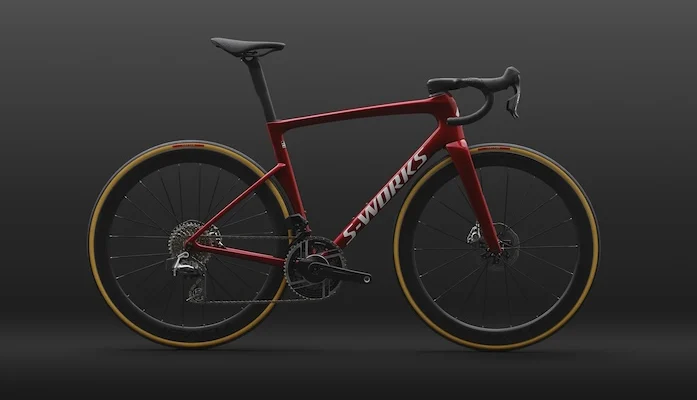
Three years after the launch of the Tarmac SL8, Specialized is unveiling the all-new Tarmac SL9, which the California-based brand describes as the fastest road bike ever designed. More aerodynamic and just as responsive on the road, this new model is based on a groundbreaking philosophy called “Time To Finish,” which aims to overcome the traditional trade-offs between weight, stiffness, and aerodynamics. Before its official unveiling, only a handful of journalists worldwide had the opportunity to take it for a spin. We were part of that very select group. Here’s what you need to know before reading our impressions from the road.
By Guillaume Judas – Photos: ©Etienne Schoeman/Specialized
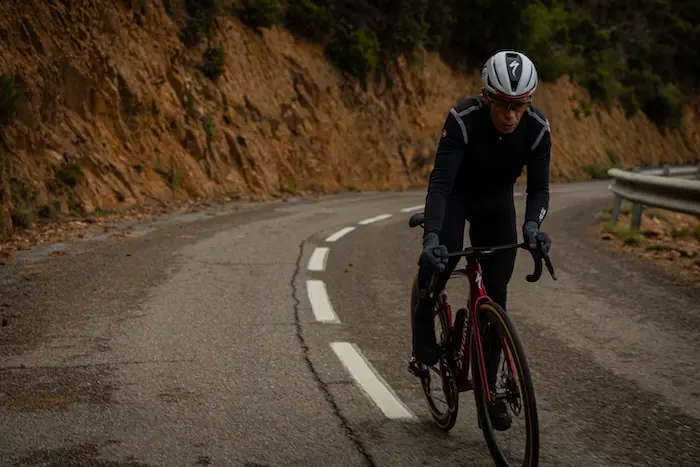
Since its debut in the early 2000s, the Tarmac has been the flagship of the Specialized lineup. Designed as a race bike capable of excelling on all terrains, it has been part of some of the greatest victories in modern cycling, from the Monuments to the Grand Tours.
Over the generations, the Tarmac has constantly evolved to incorporate the latest advancements in carbon fiber, aerodynamics, and handling precision. This evolution reached a major milestone with the Tarmac SL7 in 2020, when Specialized merged the qualities of its lightweight bike with those of the Venge, its former aerodynamic model.
The SL8, launched in 2023, had already taken this convergence to new heights by simultaneously delivering significant aerodynamic gains, record-breaking lightness, and improved comfort. With the SL9, Specialized now believes it has reached a new milestone.
Time To Finish: A New Way of Thinking About Speed
Rather than focusing solely on watts saved or grams shed, Specialized now centers its entire message around a single metric: Time To Finish—the time it takes to complete a real-world course. Because, according to the brand, a road bike shouldn’t be designed just to be the lightest on a scale or the fastest in a wind tunnel, but to enable its rider to cross the finish line ahead of their competitors.
To bring this approach to life, engineers in Morgan Hill developed a simulation system that incorporates all the parameters influencing performance: the aerodynamics of the rider and the bike, the total mass of the system, mechanical efficiency, rolling resistance, course profile, road conditions, wind, and power output. According to Specialized, this Formula 1-inspired approach allows for the optimization of every detail based on real-world racing conditions encountered in the biggest events on the World Tour calendar.
As with the SL8, Specialized emphasizes the importance of evaluating the bike-rider system as a whole. Wind tunnel tests were therefore conducted using the sixth generation of the articulated dummy developed by the brand. Capable of replicating the pedaling movements of a real rider, this device provides measurements that are more representative of race conditions than traditional protocols using only a bike or a static mannequin. All of the data collected was then used to feed into the simulations employed by the brand’s engineers during the development of the Tarmac SL9.
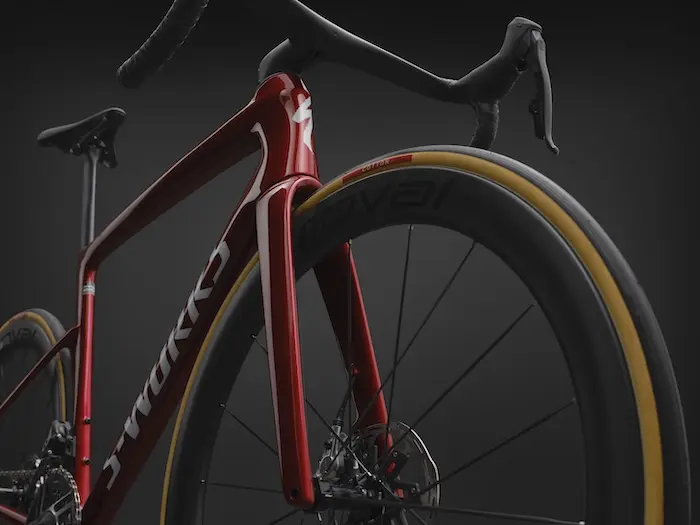
Based on this research, Specialized claims that the Tarmac SL9 is 5 seconds faster than the SL8 on the climb up Alpe d’Huez, and between 16 and 30 seconds faster than its main competitors. That may not seem like much, unless you remember that in 2024, Demi Vollering lost the Tour de France Femmes with Zwift at the summit of Alpe d’Huez by… 4 seconds. However, these figures remain unverifiable on our end, as we’ve grown accustomed over the years to well-rehearsed marketing pitches—and not just from the American brand.
A Faster Frame, but Not Lighter
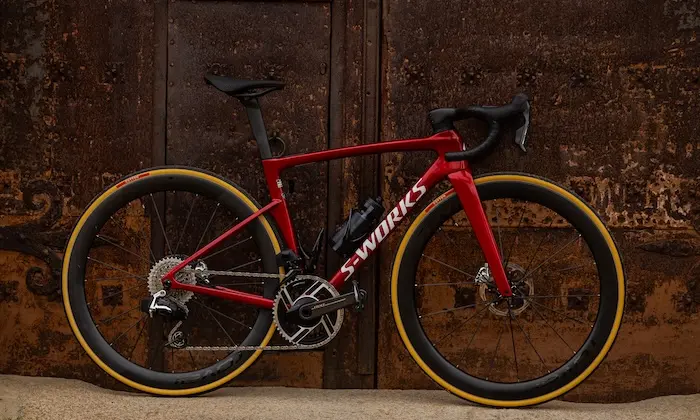
At the heart of the Tarmac SL9 S-Works is an all-new Fact 12r carbon frame (the American brand’s highest-end model), with a claimed weight of just 687 g in size 56. A remarkable figure for a bike featuring such a high level of integration and aerodynamic engineering, though identical to its predecessor, which weighed in at 685 g.
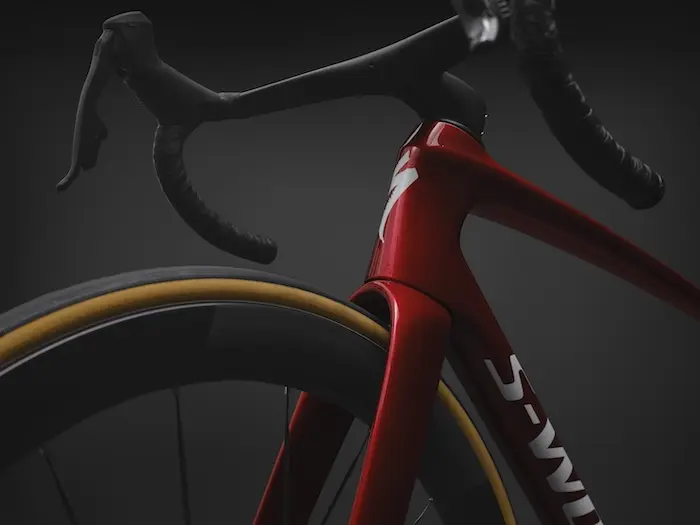
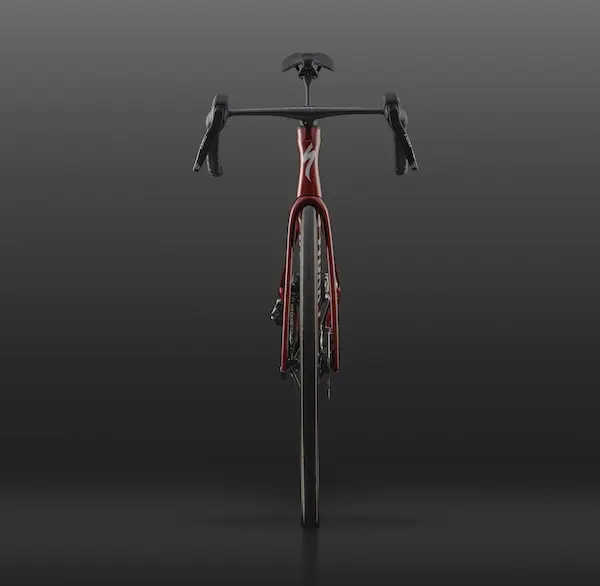
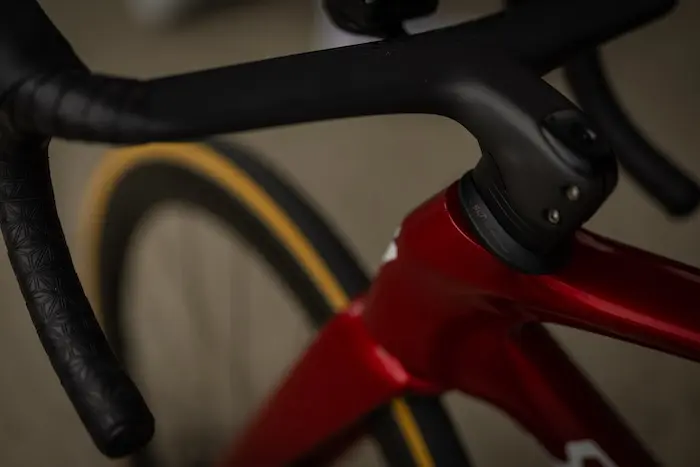
Specialized also announces a 4-watt gain at 45 km/h compared to the Tarmac SL8, which is already considered one of the highest-performing all-around bikes on the market. To achieve this result, virtually all the tubes have been redesigned. Among the most noticeable changes is the new version of the famous Speed Sniffer, the head tube that’s characteristic of the line. Now 4 mm narrower than before, it features a 10% reduction in frontal area thanks to an innovative cable routing system that uses a patented offset fork pivot.
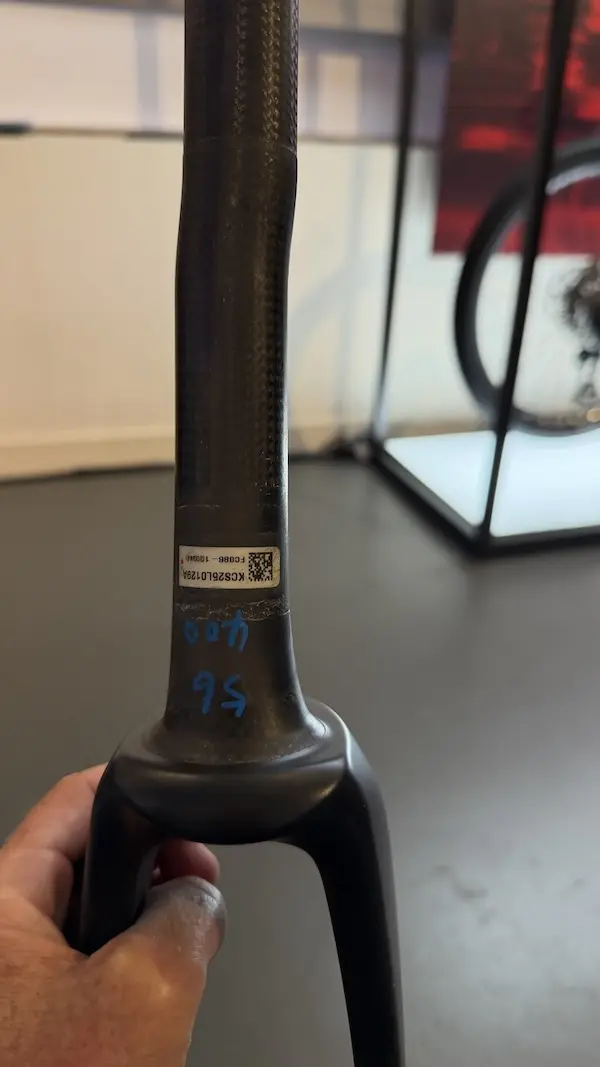
The down tube has also been lowered to improve airflow around the front wheel, while the Flow Fork features a completely redesigned profile, with wider stanchions and more clearance between the stanchions and the tire to promote airflow. At the rear, the new Win Fin concept is directly inspired by an analysis of breakaways in professional races, where riders most often ride with a single water bottle. This highly specific optimization alone is estimated to save approximately 0.5 watts.
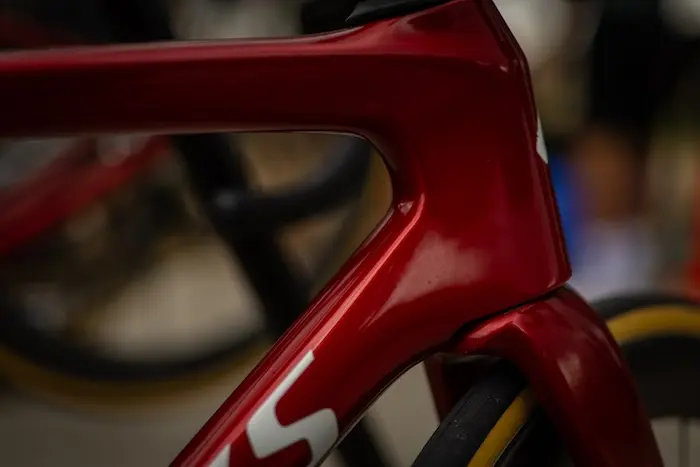
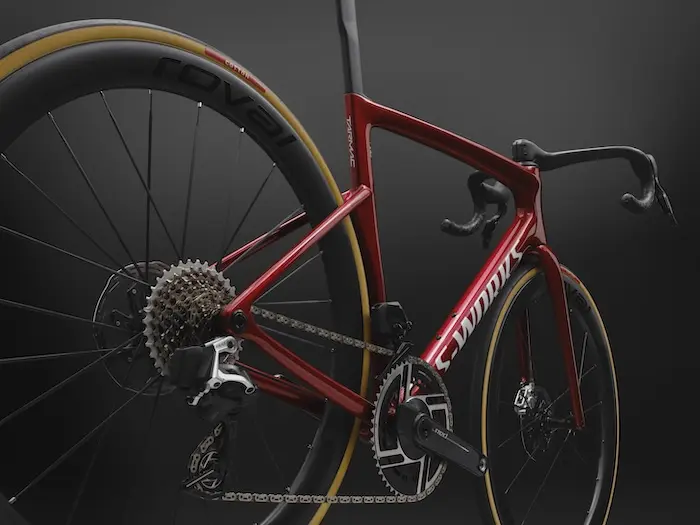
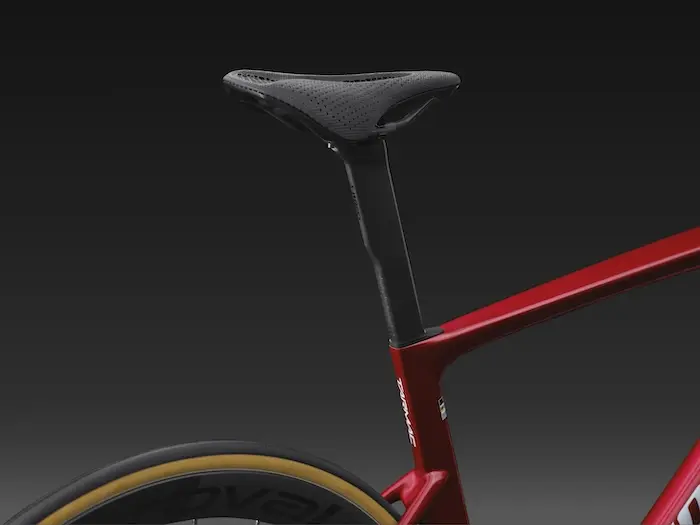
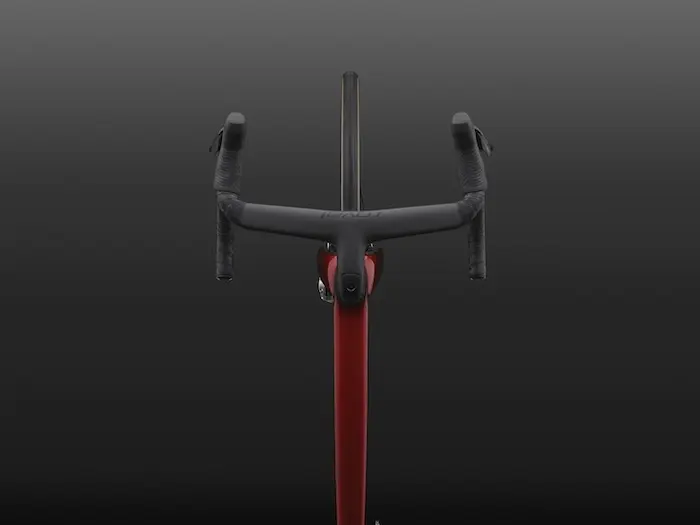
The SL8 retains its Roval Rapide handlebar and stem, unlike the seatpost, which now has a slightly more streamlined shape at the top. Finally, it’s worth noting that the S-Works frame kit—which retails for €5,799—comes standard with a CeramicSpeed bottom bracket and CeramicSpeed bearings for the headset, to ensure excellent reliability and minimize mechanical maintenance in these areas once the bike is assembled.
DNA Preserved
With the SL9, Specialized naturally wanted to preserve the dynamic qualities that have made the Tarmac famous. The brand claims to have maintained exactly the same stiffness and comfort targets as on the SL8, despite the aerodynamic upgrades. The Rider First Engineered concept is still in play, with frame layups specific to each frame size to ensure an identical riding experience regardless of the rider’s height. While the connection between this latest generation of the Tarmac and the previous one is obvious, we did notice a few subtle differences on the road, which we’ll discuss later.
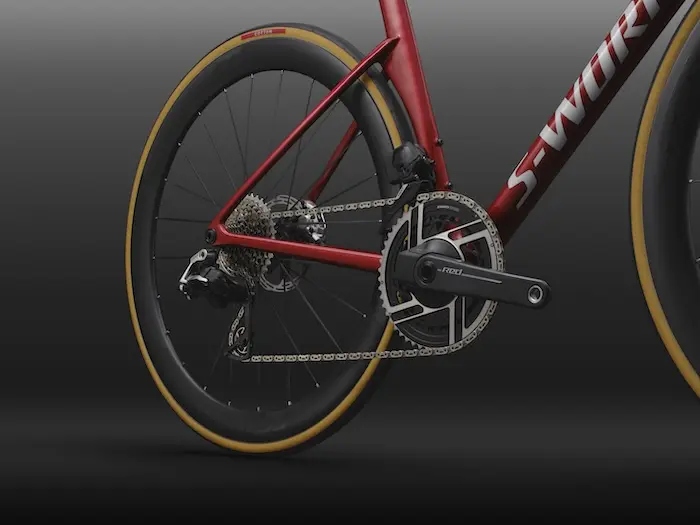
The lightest builds come in at 6.55 kg fully equipped (weight verified on size 56, without pedals but with two bottle cages), a figure that places the Tarmac SL9 among the absolute benchmarks in the market, while remaining fully certified for professional competition.
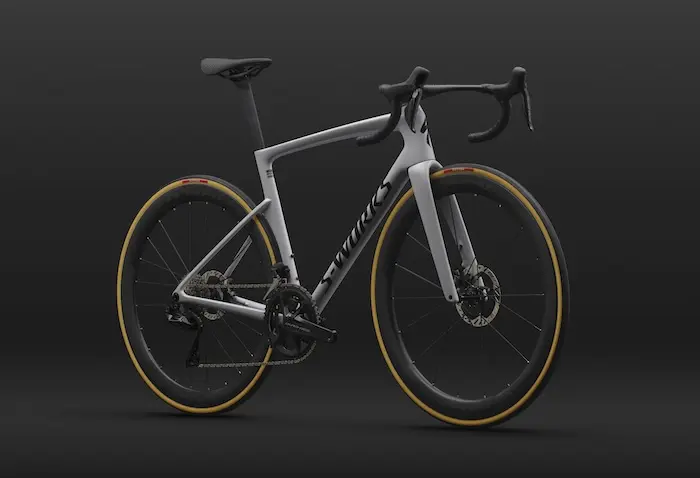
At the top of the lineup sits, naturally, the S-Works Tarmac SL9, featuring the 687 g Fact 12r frame, Roval Rapide CLX III wheels, the Rapide monoblock cockpit, CeramicSpeed bearings, and either SRAM Red AXS or Shimano Dura-Ace Di2 groupsets, priced at €13,999. Other versions of the American brand’s new flagship model will be unveiled later this year.
A real evolution on the road?
As always, a road bike is more than just simulations, wind tunnel data, or a spec sheet. The question now is whether the Tarmac SL9 truly offers anything more on the road than the SL8—a bike already widely acclaimed by its users, whether they’re professional racers, amateurs, or casual riders.
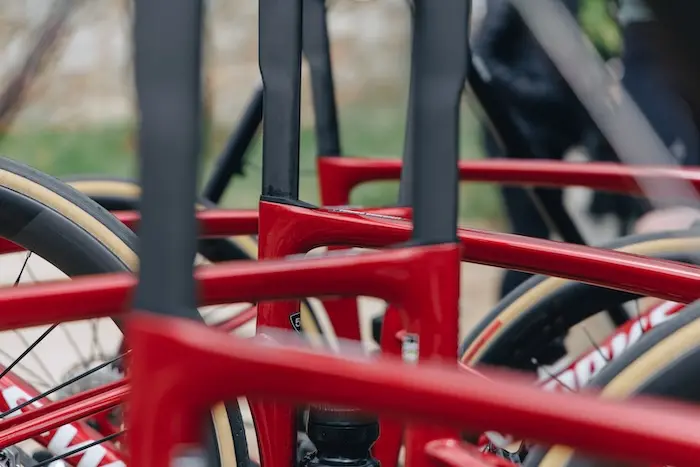
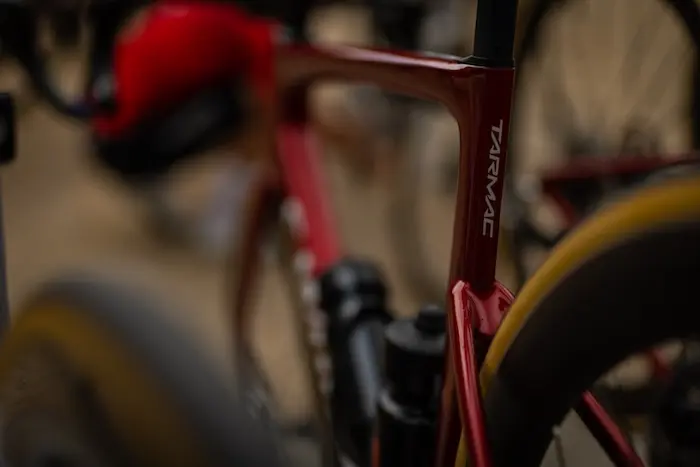
Aesthetically speaking, the evolution between the two models isn’t revolutionary. When I first saw the twenty or so Tarmac SL9s waiting for us, neatly lined up before our first test ride on the Costa Brava in mid-May, I wasn’t entirely surprised. The same cockpit as the SL8, familiar wheels (Roval Rapide CLX III), a groupset (SRAM Red) that’s been at the top of the lineup for some time now, the same logos, and color schemes that are as rich and high-quality as ever—just as Specialized has accustomed us to. All of this gives the Tarmac SL9 an overall look similar to the brand’s latest models. It’s only upon closer inspection that you notice a head tube that’s slightly more massive than on the SL8, as well as a seat tube that appears slightly more streamlined, with a (Win Fin) that better follows the contours of the rear wheel and helps harmonize the bike’s profile.

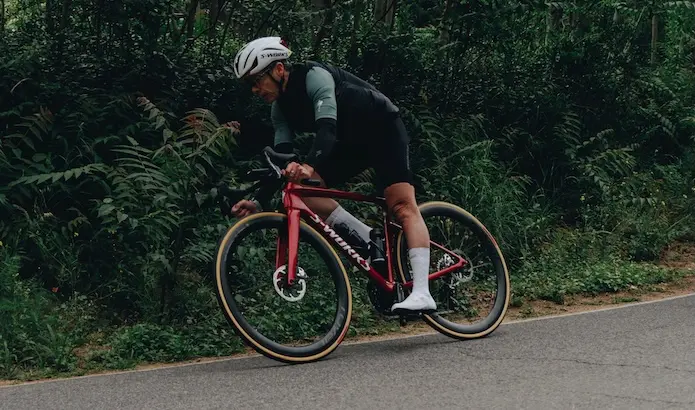
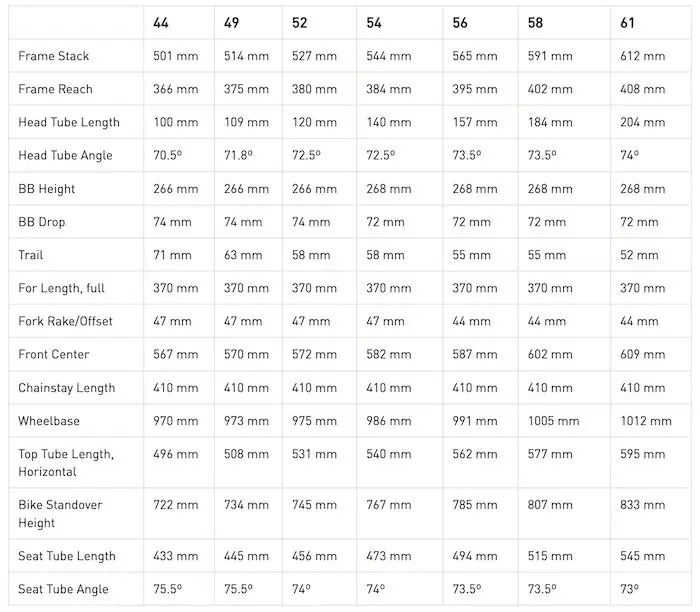
The first few hundred meters don’t throw SL8 veterans off balance either. The identical geometry provides the same feel at the handlebars, whether you’re carving through a turn or standing up on the pedals. However, you have to pick up the pace to notice a difference in handling—not so much in terms of pure performance as in terms of stability. I found the Tarmac SL9 slightly less responsive at the front than its predecessor, but more stable at high speeds, particularly on long descents that alternate between fast sections and more technical stretches. The steering feels a bit firmer; some might say it’s less playful or less light, but also better suited and more reassuring at the speeds typically encountered in competition. The SL8 had already improved in this area compared to the SL7, but the difference is even more noticeable here.
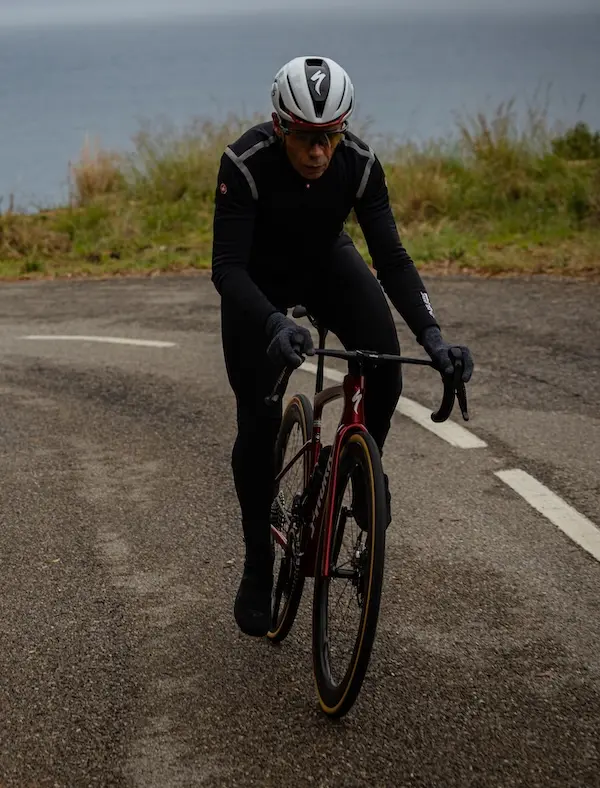
This front end—which is slightly stiffer and sits a bit lower on the road—makes the bike slightly more demanding on steep climbs, as it requires a bit more precise coordination between the legs and the upper body to remain efficient while standing and rocking the bike from side to side. But I must also admit that I was thrown off by the brand’s new choice of crank length. In fact, on the first three frame sizes (I ride a size 52), Specialized now ships its bikes with 165 mm cranks, following the lead of other manufacturers like Cervélo and Giant. This reduction in length also applies to the other sizes to keep up with the current trend among competitors. This is something to keep an eye on—or even adjust with your dealer—which seems reasonable for a bike priced at €13,999.
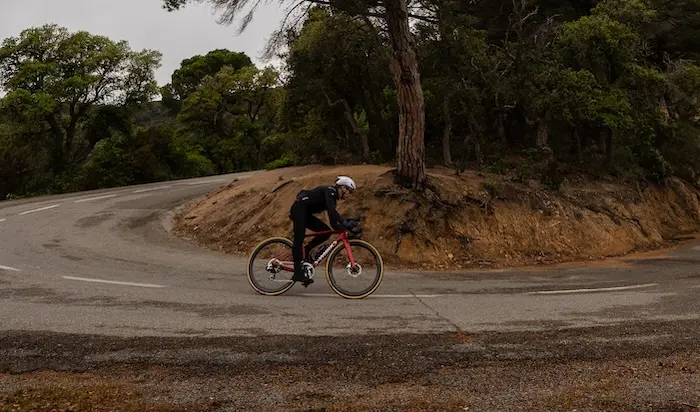
It’s, of course, difficult to make a definitive judgment on the bike’s aerodynamic efficiency outside of my usual routes. However, the Tarmac SL9’s overall performance seems excellent—as expected—whether riding into the wind or drafting behind a group riding at high speed. You never feel held back or restricted, as the bike combines lightness, stiffness, and stability—not to mention the rolling efficiency of the wheels and Cotton TLR tires.
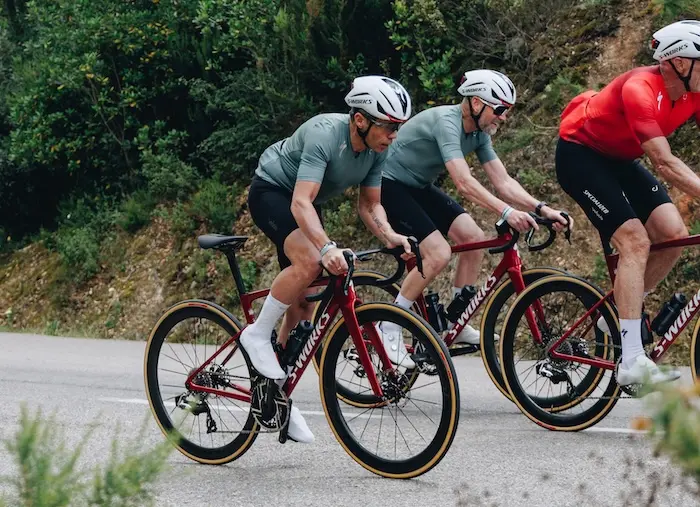
Although comfort depends primarily on your riding position, it’s also quite satisfactory, with no unwanted vibrations or excessive stiffness. The frame is stiff enough to convey the necessary feedback about the road surface and traction conditions, without unnecessarily jarring the rider.
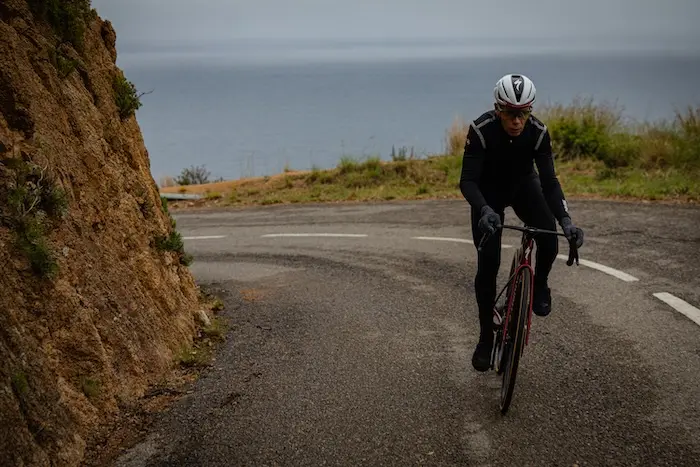
I also had the opportunity to test the Tarmac SL9 with lighter wheels, the Roval Alpinist CLX III, which save about 180 g. Even though the weight difference is modest, the bike feels a bit more responsive, a bit livelier when riding out of the saddle, and, ultimately, more forgiving on long climbs, without losing its stability on descents or its ability to maintain high speeds on the flats—even if it might feel a touch less fast than with the deep-rim wheels. For some riders, this setup could be an excellent compromise.
The culmination of a proven formula
After this initial test ride, the Tarmac SL9 doesn’t revolutionize the standards set by its predecessor. And that’s undoubtedly by design. Rather than trying to reinvent a platform already considered one of the most refined on the market, Specialized has chosen to refine every detail to gain a few more precious seconds in real-world riding conditions.
On the road, the most noticeable improvements primarily concern stability at high speeds and the sense of confidence the bike instills during fast sections. The highly versatile nature that made the SL8 a success is still present, offering an excellent balance between efficiency, lightness, stiffness, and comfort.
It remains to be seen whether the gains announced by the brand in terms of aerodynamics and overall performance will translate into measurable benefits for all riders. As is often the case at this level of the lineup, it’s becoming increasingly difficult to perceive these improvements in isolation on the road. One thing is certain, however: the Tarmac SL9 reaffirms the model’s position as one of the absolute benchmarks in the segment of versatile road bikes designed for competition.
The new SPECIALIZED TARMAC S-WORKS SL8 at a glance… |
Share the post "First Test Ride of the New Specialized S-Works Tarmac SL9"