Share the post "Menopause: Women Facing the Invisible Change"
The scale shows almost the same weight, and the rides keep coming one after another, but how it feels is changing. A large-scale study conducted by Withings on 200,000 French women shows that menopause profoundly transforms the body without necessarily showing up on the scale. For female cyclists, this transition requires adjusting training, recovery, and health monitoring to maintain performance and athletic longevity.
By Guillaume Judas – Photos: depositphotos.com
For a long time, many female athletes associated menopause with a simple hormonal decline accompanied by a few well-known symptoms: hot flashes, fatigue, or sleep disturbances. New data published by Withings
reveals a more complex reality. Among French women, weight remains nearly stable over the decades, with an average difference of only 500 g. Yet the body undergoes profound changes.
Body fat increases, muscle mass decreases, and, most notably, visceral fat rises by 71%. It is this fatty tissue located around the organs that particularly concerns specialists, as it increases cardiovascular and metabolic risks. Among active women, the paradox is striking: continuing to exercise regularly is not always enough to prevent this internal recomposition.
Why Cyclists Experience a Drop in Performance
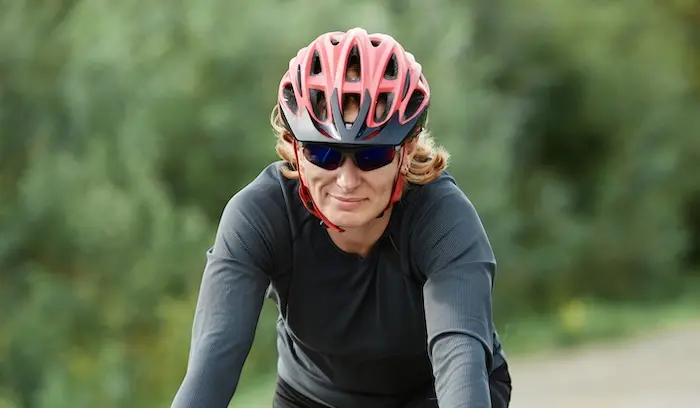
For female cyclists, this change can manifest as unusual sensations. The legs feel less explosive on climbs, recovery takes longer, heart rate fluctuates more, and long rides take a greater toll than before. Some female athletes also feel they are responding less effectively to training despite maintaining the same training load. This phenomenon isn’t solely related to age: the gradual decline in estrogen alters how the body manages exertion, fat storage, inflammation, and cardiovascular protection.
The study also highlights a marked increase in blood pressure among French women, which is higher than the global average. For an endurance cyclist, this means that closer cardiovascular monitoring becomes essential starting in one’s forties, even in the absence of visible symptoms. Heart rate variability, often used as an indicator of recovery, also decreases sharply during this period. This is a sign that the body has a harder time coping with high training loads.
Adapting Your Training to Maintain Performance
The good news is that these changes don’t spell the end of performance or the joy of cycling. Above all, they require a shift in approach. Cycling remains a tremendous ally for cardiovascular health, weight management, and mental well-being, but it must now be complemented by strength training. Strength training becomes essential for maintaining lean body mass, supporting bone density, and limiting the accumulation of visceral fat. Two to three targeted sessions per week can make a real difference in the long run.
Diet also deserves special attention. With hormonal changes, protein requirements increase to maintain muscle mass. Iron, calcium, and vitamin D become key areas to monitor, as does hydration, which is often disrupted during perimenopause. For cyclists who string together long rides or intensive training sessions, neglecting these factors can accelerate chronic fatigue or increase the risk of injury.
Recovery Becomes a Key to Progress
Recovery also needs to be rethought. Many female athletes continue to train according to routines designed when they were 30, even though their bodies now require more time to recover from exertion. Sleep remains essential, even though the study shows that French women maintain relatively good sleep scores. However, this is not enough to fully protect the cardiovascular system. Incorporating lighter weeks, watching for signs of overexertion, and accepting periods of lower intensity are becoming drivers of progress rather than signs of weakness.
Detecting the Early Signs of Perimenopause
Another important finding: nearly one in two women does not recognize the early signs of perimenopause. Yet physiological changes often begin as early as one’s forties, sometimes before the onset of classic symptoms. For cyclists, tracking only weight or the number of kilometers ridden no longer provides a reliable picture of physical condition. Body composition measurements, blood pressure, and certain recovery indicators offer valuable information for anticipating risks and adjusting training.

Continuing to Perform in New Ways
This new perspective on menopause may mark a turning point in women’s sports. For years, the performance of women over 45 has been analyzed solely through the lens of aging. Today, data show that there is a specific transition phase, with its own challenges but also its own solutions. For female cyclists, understanding these mechanisms not only helps preserve health but also allows them to continue riding hard, for longer, and with greater awareness of their body’s actual needs.
Share the post "Menopause: Women Facing the Invisible Change"