Share the post "A season too long, a calendar at odds with the climate?"
From January to October, the professional cycling season stretches over nearly nine months, risking athletic burnout and climatic absurdity. Between Grand Tours exposed to bad weather, summer heatwaves, and deserted autumns, the professional or amateur cycling calendar seems increasingly disconnected from contemporary meteorological realities. What if the real challenge wasn’t the routes, but the organization of the season itself?
By Guillaume Judas – Photos: depositphotos.com
Nine months. That’s how long the professional road season currently lasts. A permanent marathon that begins in January and ends in October, leaving little room for recovery and even less for climatic coherence. From the first days of the year, the peloton is already in battle order, often in milder latitudes, before quickly returning to cold, rain, and sometimes snow on European roads.
February and March have become synonymous with unpredictable conditions, April a lottery, and May a high-risk month. Yet, the calendar continues to rely on this structure as if the climate had no influence on athletes’ bodies and the organization of competitions.
The Giro in the snow, the Vuelta in the heatwave: an outdated logic?
The Tour of Italy is undoubtedly the most striking example of this inconsistency. Organized in May, it regularly faces a capricious spring: snowfalls, impassable mountain passes, shortened or canceled stages. These exceptional situations have become commonplace, almost expected. Conversely, the Tour of Spain takes place at the end of summer, sometimes under extreme temperatures. Racing for three weeks in late August and early September in Spain exposes riders to intense heat episodes, with obvious consequences for health and safety.
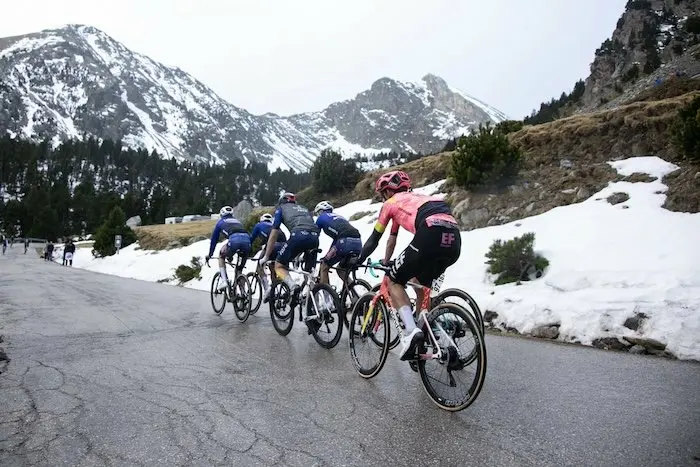
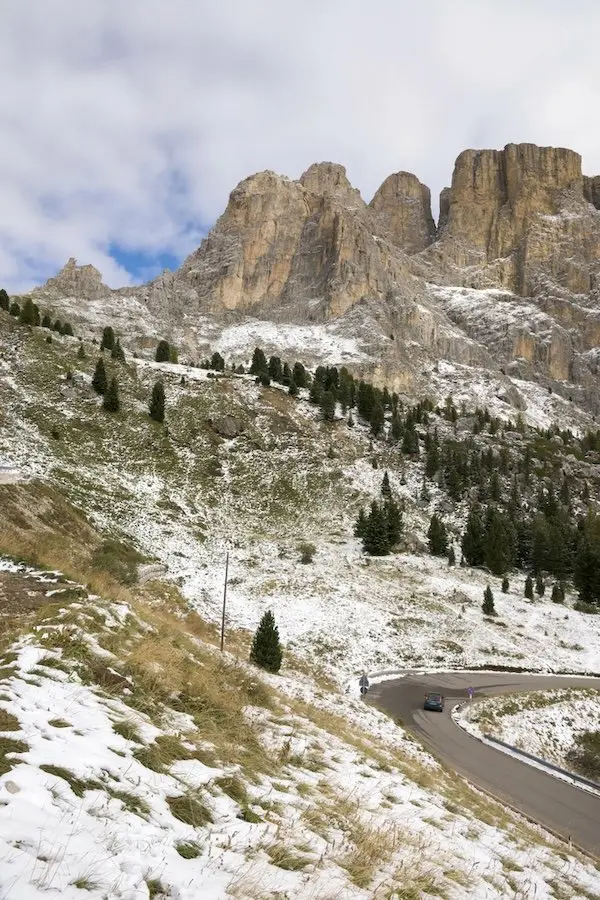
Therefore, a question arises: why not reverse the Giro and the Vuelta, as mentioned in a recent Vélo Magazine article by Eddy Pizzardini? The Tour de France, firmly anchored in July, seems untouchable. But redistributing the other two Grand Tours would undoubtedly allow for a better distribution of climatic risks. A Vuelta in spring, less exposed because it touches less high altitudes, a Giro in late summer or autumn, when the mythical Dolomites passes are not yet covered in white: the idea makes sense. However, it clashes with tradition, commercial habits, and a form of institutional inertia.
Yet, cycling had managed to reorganize in the mid-1990s. Until 1994, the Vuelta and the Giro followed one another in spring, with only a week’s interval. Moving the Tour of Spain to the end of summer allowed the calendar to breathe a little in May. But it was never seriously considered to swap the pink and red jersey races.
A calendar frozen in the face of climate change
Beyond the Grand Tours, the entire cycling season seems to be organized out of sync. Why continue to launch the season so early, in the heart of winter, when the autumn months now often offer more stable and milder conditions? Of course, there’s no question of moving the Spring Classics, whose history is intimately linked to certain memorable editions raced in difficult conditions. But just looking at February, four or five-day stage races are already piling up: AlUla Tour, Etoile de Bessèges, Tour de Communauté de Valence, Tour d’Algarve, Tour d’Oman, Tour de Murcie, Tour de la Provence, UAE Tour, Tour d’Andalousie, Tour du Rwanda…
Conversely, September is underutilized. October remains marginal. November is completely absent. As if the season absolutely had to end before autumn even revealed its potential. The result: a calendar overloaded at the end of winter and beginning of spring, exposed to climatic hazards, then abruptly emptied in autumn, in the name of a tradition that has become artificial.
Amateur cycling, victim of the same nonsense
This inconsistency does not spare amateur cycling. For elite amateurs, the season begins in early February. For “pure” amateurs, it starts in early March. Yet, from September, or even July in some regions, competitions become scarce. In October, there is almost nothing left. 20 or 30 years ago, October was still busy, at least until its third weekend.
The contrast is striking: races organized very early, on cold and sometimes dangerous roads, then a premature end to the season when conditions could be ideal. Here again, the logic is questionable. Why risk cancellations in spring only to give up racing in autumn?
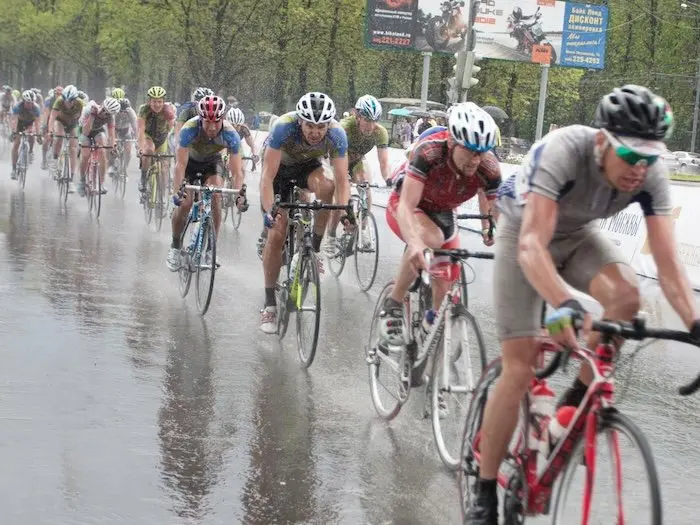
Of course, for several decades, winters have been generally less harsh, allowing everyone to ride earlier and with more consistency. We rarely talk about real breaks from cycling for two or three months anymore. In January, most racers already feel ready. They are eager to go on training camps in Spain or on the French Riviera, then pin on a bib number in favorable conditions. But they forget that a “normal” season is still long. That March and April can still be cool and rainy. And that they need to conserve energy and motivation well after June.
What if the problem was the calendar itself?
Cycling likes to present itself as a sport ahead of its time, attentive to environmental issues. Yet, its calendar gives the image of a sport that suffers from climate change rather than adapting to it. Routes are modified, stages are neutralized, emergency solutions are improvised… without ever questioning the overall architecture of the season.
Shifting the start of the season, investing more in autumn, rebalancing major events: the options exist. They require courage, coordination, and a questioning of certain historical dogmas. But by refusing the debate, cycling continues to chase the weather, and often, to suffer from it.
Share the post "A season too long, a calendar at odds with the climate?"