Share the post "Élise Caron – Where the world becomes an inner landscape"
Some people cycle to move forward, others to understand. Élise Caron does both. During a long interview, she spoke calmly, with that quiet clarity that prefers meaning to demonstration. Her sentences, sometimes winding, seemed to follow the rhythm of a gravel track: detours, climbs, sudden clearings. Gradually, a theme emerged: that of a woman who has learned to reconcile the inner and outer self, the body’s momentum and the mind’s insight, the rigor of work and the freedom of adventure.
By Jeff Tatard – Photos: ©elisecaron
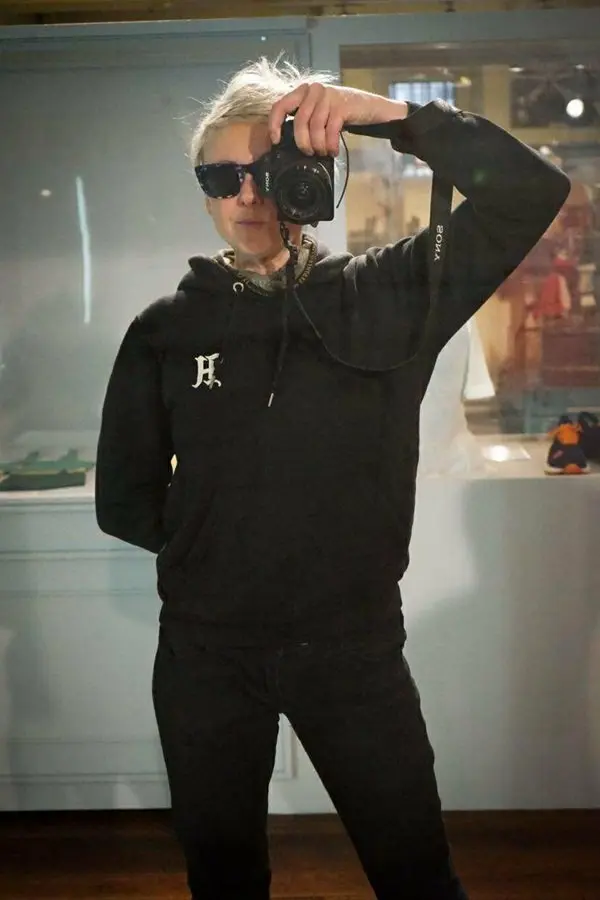
She spoke of ultra-cycling and solitude, warm colors and GPS tracks, the light and wood of the scenographies she once imagined. She spoke of Grenoble, of BRMs, of a bike sometimes too modest for the harshness of a race, and of that particular peace found only in long hours on the road.
She also spoke of images: of how to place typography on a sky, of embracing the ordinary of solo travel, of opening the road to others by simply showing how she experiences it.
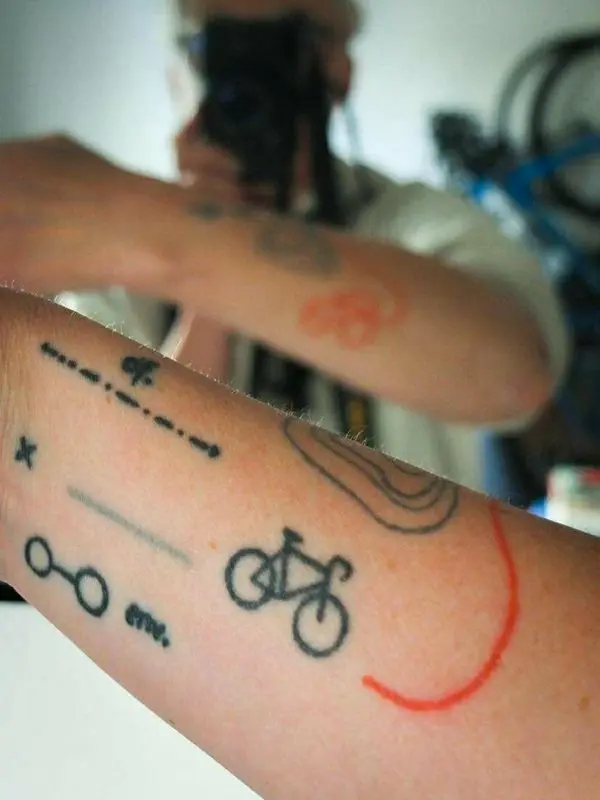
Everything in her story held together. Design became a method for understanding reality, communication took the form of an ethics of care, and cycling became a way of thinking. More than a sport, a language of the world.
Élise Caron belongs to that generation of cyclists who reconcile the sensitive and the technical, aesthetics and effort.
When she’s not in the saddle, she designs stories for others: as head of press relations at Origine Cycles, she uses her graphic tools to promote a French brand that, in its own way, wants to empower the cyclist. But as soon as she closes her computer, she becomes that solitary figure in an unknown landscape, seeking less the finish line than an inner path.
“I started cycling around 2018,” she recounts. “(…) But by going faster, and thus seeing more beautiful things.”
She first documented this shift almost by accident, on Instagram. The images she publishes are striking for their visual coherence: warm tones, precise framing, a mix of photography, drawing, and typography.
She is not an influencer; she is a graphic designer who speaks with light.
It is there, undoubtedly, that everything begins: in this quiet desire to share without emphasis, to offer a perspective that de-dramatizes adventure and makes reality poetic.
In her way of experiencing ultra-cycling, photography is never an afterthought. It even becomes its intimate measure.
“If I took a lot of photos, it’s because I was feeling good, present in what I was experiencing.”
It is a sign of harmony between effort and observation, a more accurate indicator than any hourly average.
Design as an Ethics of the World
Before cycling, Élise Caron long built worlds. As a scenographer and spatial designer, she designs immersive environments for sports brands, places conceived as stories to be experienced.
This experience leaves its mark: a way of thinking about coherence, of working with constraints, of organizing the unpredictable.
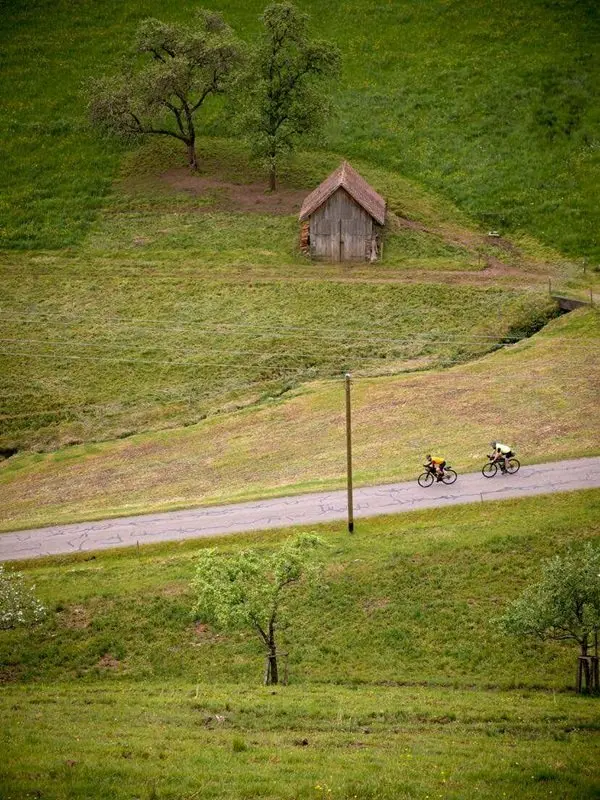
“In this profession, we know that 75% is predictable and 25% is improvisation. It teaches you to let go.”
A lesson she now applies to cycling. Wandering, ultra-cycling, is nothing other than a grand scenography of the world.
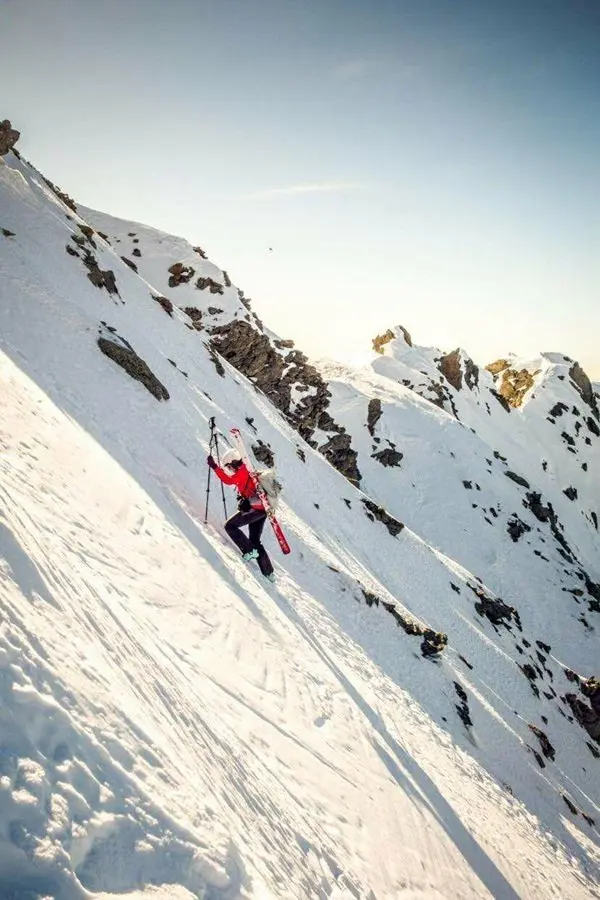
Ultra-cycling as a Self-Experience
For Élise, ultra-cycling is not about heroic feats. It is an art of rhythm, a pedagogy of time.
“What I love is the invisible collective that forms among participants.”
Solitude, for her, is not a burden; it is peace.
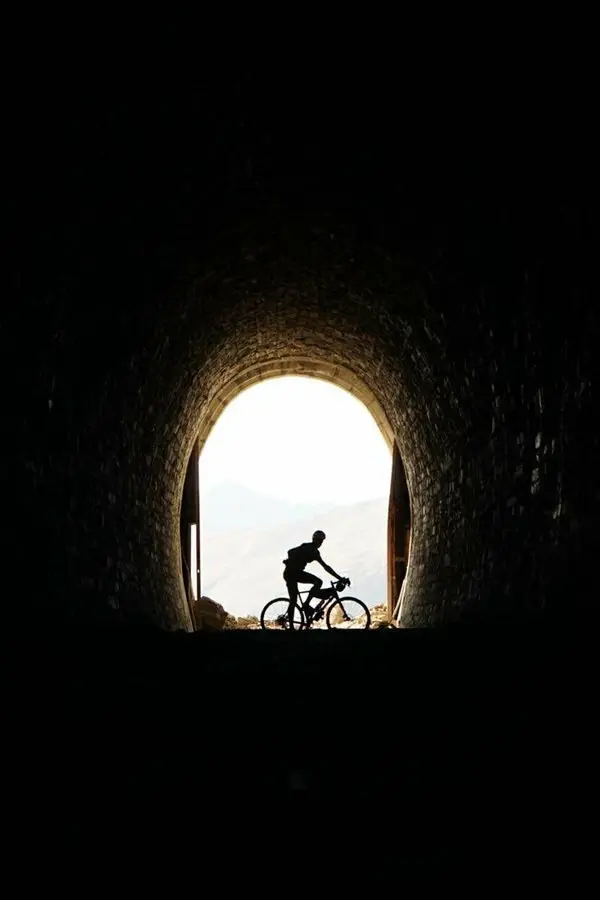
“I never felt in danger during an ultra-cycling event. (…) The people you meet there (…) share that common goodwill of those who know what it’s like to go far.”
The Body, the Territory, and the Machine
For Élise, every race is a pretext for discovery.
The choice of an ultra-cycling event is first made according to the territory: an unknown region, a new topography, a promise of landscapes still untouched by memory.
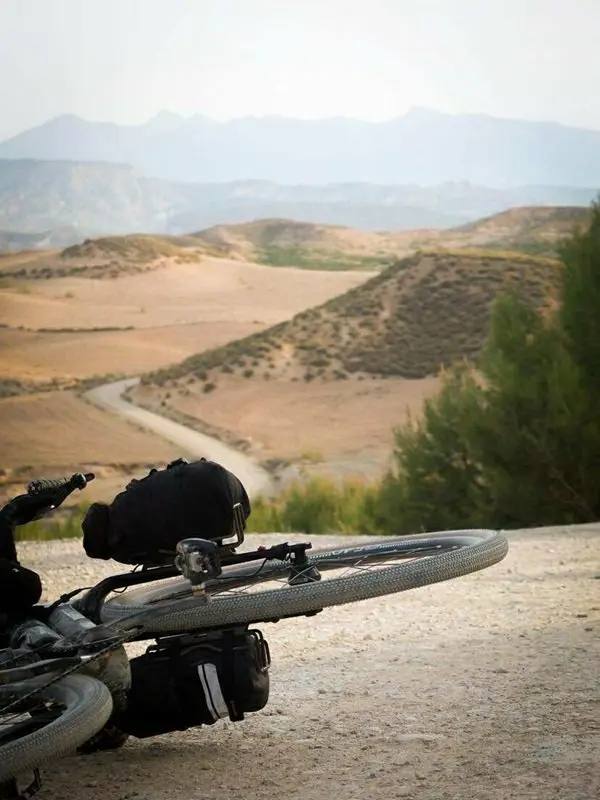
But she maintains a concrete lucidity: “Ultra-cycling is a sport for the rich, in a way. And I had to deal with that.”
This lucidity sounds neither like a complaint nor a posture: it is an observation, an ethics of reality.
The Teaching of Imbalance
Today, Élise lives in Grenoble. A deliberate choice: to leave the Paris region for a city where, within twenty kilometers, one can climb into the mountains and disappear from the world.
She teaches, works, travels. Her balance is not due to the absence of tension, but to the awareness of these tensions, and how to make them interact.
The Gaze and Color
When Élise talks about her images, she becomes precise, almost technical.
“I like warm colors. Even my blues are a bit yellow.”
Her photography is not decorative: she thinks like a designer.
There is a joyful modesty in her visual work: showing without posing, speaking without imposing.
The Intelligence of Reality
At Origine Cycles, her role is that of a mediator: understanding the technical logic of engineers and translating it into a narrative.
“When I send a press release, I want it to be beautiful. Not just for aesthetics: because beauty is a way of respecting the journalist.”
Her approach has something artisanal, almost ethical, about it.
It reflects the spirit of gravel: doing things well rather than quickly, preferring coherence over performance.
Women, Place, and Movement
She observes: “The cycling world remains marked by performance, but things are changing.”
Her peacefulness in traveling alone inspires others to take the plunge.
Philosophy of Movement
“Cycling is a stupid sport.” – Élise Caron |
But behind the provocation, there is tenderness, a humanity.
What she means is that this sport teaches patience, constancy, humility.
“Motivation is what gets you started. Discipline is what keeps you going.”
This relationship with the body, neither constrained nor idealized, is part of her philosophy: accepting oscillations, embracing the lows, continuing to pedal, even gently.
The World as a Grand Workshop
One might think Élise Caron cycles to escape her profession. In truth, she extends the same gesture: organizing chaos, giving it form, creating beauty with what is available.
Everything about her speaks of the same thing: coherence. Not that of control, but that of harmony between the outer and inner self.
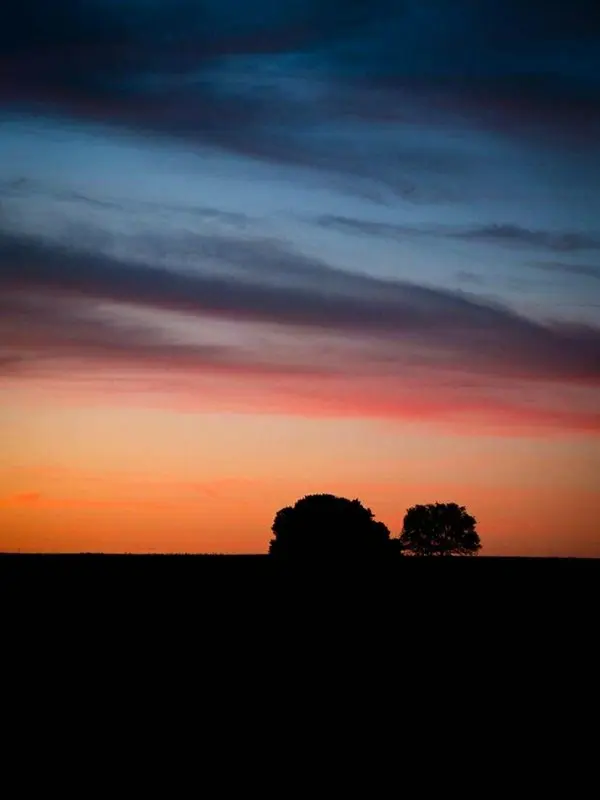
In a world that values speed, Élise Caron cycles at her own pace. She doesn’t seek to win, only to understand.
Perhaps her work, ultimately, is this: transforming the road into a creative workshop, movement into thought, and reality into poetic material.
| Élise Caron embodies the intelligence of the concrete, the softness of detail, the rigor of a clear line. She doesn’t seek to shine; she illuminates…And in this wake of ochre dust and low-angle light, we understand that there are a thousand ways to go far, but none is worth the one where the world, finally, becomes an inner landscape. |
To discover more of her world, her images, and her projects,
=> you can follow her on Instagram: @elisecaron
=> and browse her portfolio: Portfolio Google Drive
Share the post "Élise Caron – Where the world becomes an inner landscape"