Share the post "These candies that burn the liver: when Doliprane calls to order"
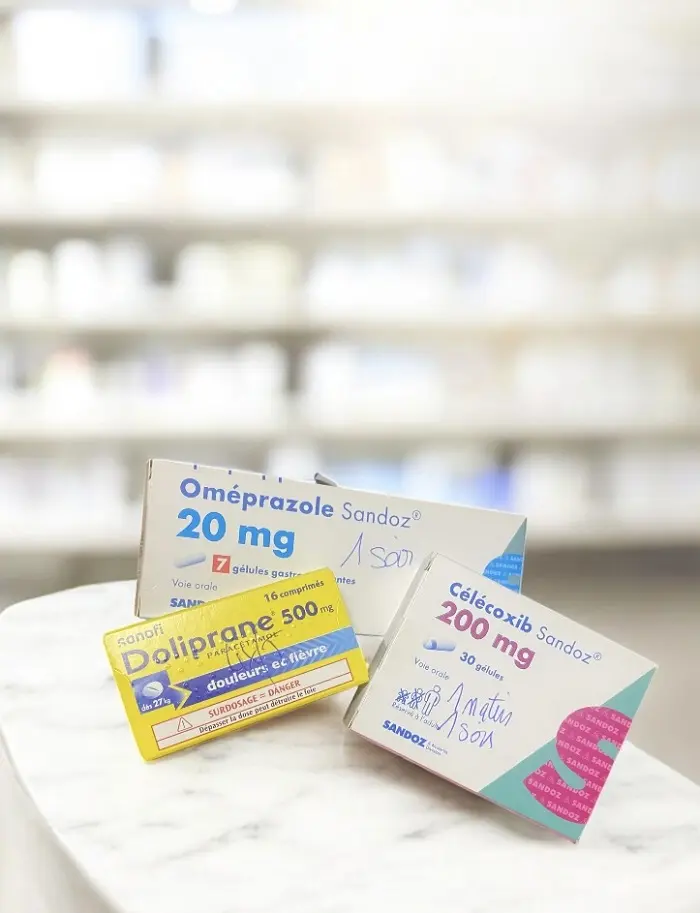
There are experiences that shake you up more than a 10% climb. Ours started simply, almost banally, with knee surgery. An arthroscopy of the right knee, for a free patellar fragment, followed by the usual surgical protocol: analgesics, anti-inflammatories, gastric protectors. Nothing extraordinary. Just medical routine. And yet, two weeks later, this routine made our liver falter.
Text: Jeff Tatard – Photos: 3bikes.fr
When chemistry goes awry
The prescribed treatment consisting of Doliprane (paracetamol), Celecoxib, and Omeprazole seemed harmless.
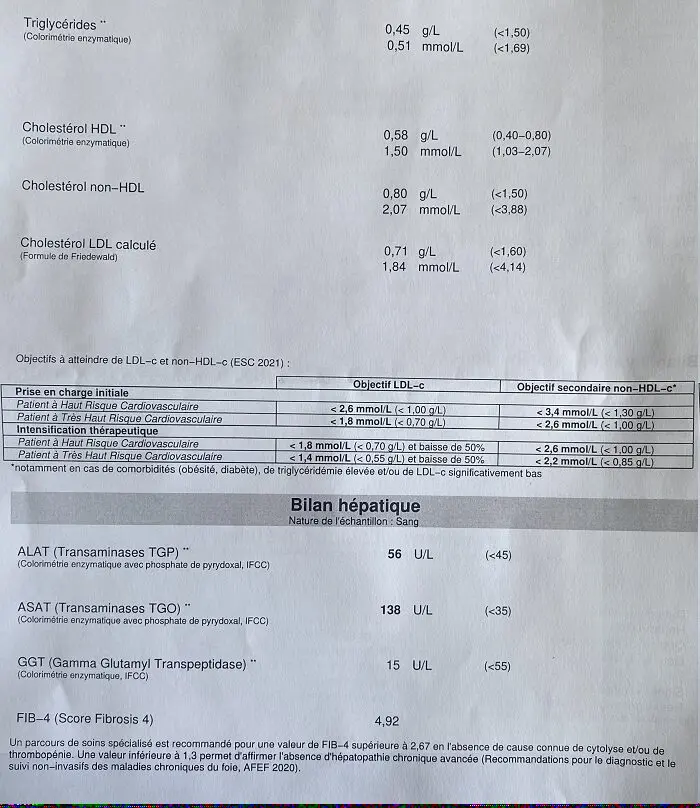
But the post-operative blood test on D+5, scheduled to check platelets, revealed a major alert:
• ASAT (SGOT): 138 U/L (N < 35)
• ALAT (SGPT): 56 U/L (N < 45)
• GGT: 15 U/L (N < 55)
• FIB-4: 4.92 (beyond 2.67, specialized liver monitoring is recommended)
A suffering liver, an inconsistent biological profile, and the astonishment of a biologist who, without hesitation, evokes words we don’t want to hear: cirrhosis, severe hepatopathy, acute drug toxicity.
The paradox was striking: soaring transaminases, without elevated GGT, a typical picture of direct drug-induced toxic damage, as paracetamol sometimes produces when it saturates detoxification pathways.
Back to basics
We stopped everything. No more medication, no more anti-inflammatories, no more artifice.
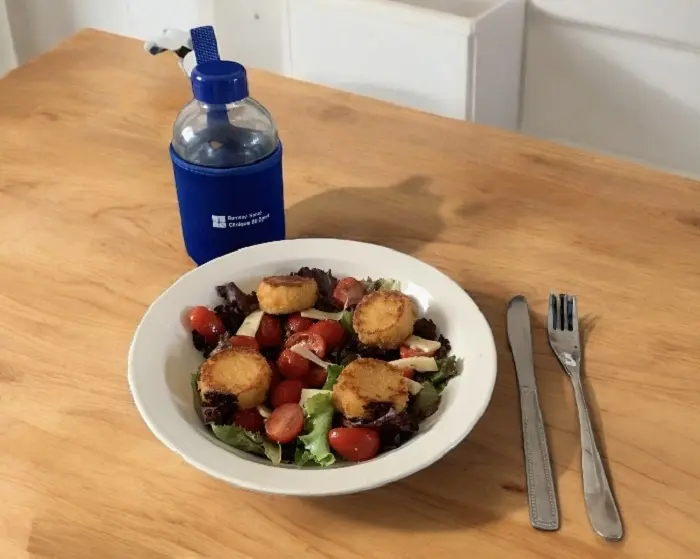
Instead: an alkaline diet, 80 to 90% fresh vegetables, abundant hydration, sleep, and truly listening to the body.
We also increased natural physical care: local ice application, pressotherapy sessions, and often both combined thanks to the Game Ready system, this recovery companion that combines cold and sequential compression.
These simple, regular, precise actions replaced chemical molecules.
And very quickly, the balance reversed.
Two weeks after the intervention, the liver had calmed down:
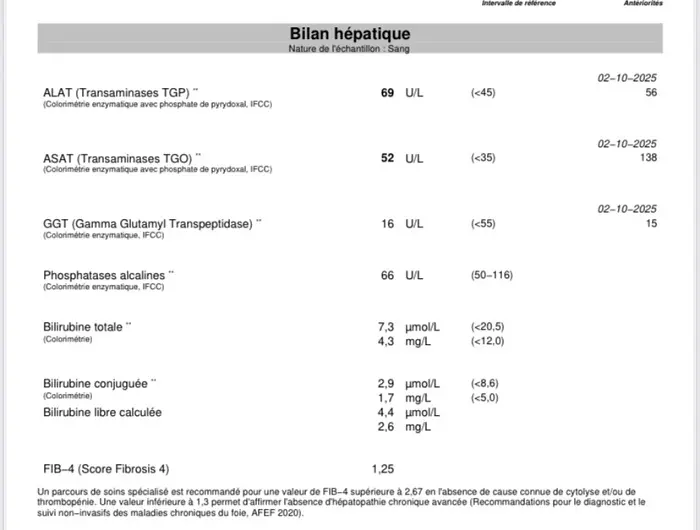
• ASAT: 52 U/L (compared to 138)
• ALAT: 69 U/L (compared to 56)
• GGT: 16 U/L (compared to 138)
• FIB-4: 1.25, now within the completely normal range, ruling out any risk of liver fibrosis.
The liver, in short, had resumed its natural breathing.
As if, freed from chemistry, the body found its breath, its tempo, and its sovereignty.
Nourish, hydrate, soothe
A plate of fresh vegetables. 600 ml of clear water in a glass bottle that you fill three or four times a day. Nothing extraordinary, except the essential: nourish, hydrate, soothe.
The real treatment is the one the body recognizes.
Upon a final biological check, everything was back to normal.
Nothing miraculous, simply proof that an organism knows how to regenerate – provided it is given the chance.
Athletes and the temptation of the miracle pill
In the world of cycling, trail running, or triathlon, we too often encounter analgesics at the starting lines.
According to a study published in the British Journal of Sports Medicine (2020), nearly one in two ultra-distance runners consumes a painkiller during the event.
At the Ironman Frankfurt, 60% of athletes had taken ibuprofen or paracetamol before or during the race (PMID: 28377423).
The reasons? To prevent pain, to endure, to “secure the time.”
But the liver doesn’t read the results sheets.
And paracetamol remains the leading cause of acute liver failure in Western countries (Lancet Gastroenterology & Hepatology, 2022).
Putting science in its rightful place
We are obviously not questioning the role of the medical profession, nor the relevance of the treatment prescribed to us.
These medications have been studied, validated, and used for good reasons: to relieve pain, prevent inflammation, protect the stomach, and promote recovery.
Their effectiveness is not to be questioned, and their prescription, in this specific context, was part of a perfectly legitimate protocol.
But what this experience taught us, at 3bikes.fr, is that even justified use can become deleterious when the body reacts unpredictably, or when treatment is continued beyond what is necessary.
The purpose of this article is therefore not to blame, but to remind us of the framework: these powerful molecules have their place — under medical supervision, for a determined duration, and in cases where their benefit clearly outweighs the risk.
The real danger is self-medication. The trivialization.
The reflex of the easy pill, swallowed like a candy.
And it is against this, more than against the medication itself, that we wish to warn.
Pain, the signal we must relearn to listen to
We understood: pain is not the enemy.
It speaks an ancient language that we have forgotten.
By silencing it, we exhaust the body’s sentinels: the liver, the kidneys, the nervous system.
Our experience is not a tragedy, but a reminder.
A dose of lucidity for us, passionate athletes, too inclined to believe that a tablet can push back fatigue or wear.
3bikes.fr on alert
We do not want to accuse, but to prevent.
We want to remind you that performance only makes sense if it respects the body.
An over-the-counter medication is not a candy.
A liver is not a consumable.
And when the biological alarm sounds, it’s time to stop.
Because between a repaired knee and a damaged liver, there is no possible compromise.
“At 3bikes, we choose clarity, measure, and consciousness. And if this testimony can prevent even one more injured liver, then it will have found its meaning.”
Share the post "These candies that burn the liver: when Doliprane calls to order"