
Share the post "Cycling: a powerful ally for improving your health"
Cycling is much more than a sport of competition or challenges. It’s also an activity to improve your health while having fun, even for those who have no other aspirations than to contemplate the landscape or save money on their daily commutes. Accessible, enjoyable, and effective, regular cycling offers broad benefits for your heart, arteries, and general well-being. Here’s why cycling is a winning option and how to integrate it into your routine without exhausting yourself.
By Guillaume Judas – Photos: depositphotos.com
A Stronger Heart, Enhanced Health
Cycling is a true gift for your cardiovascular system. Regular pedaling strengthens your heart, making it more efficient. Like a well-oiled engine, it pumps more blood with less effort, which reduces your heart rate, even at rest. The result? Less daily fatigue and better endurance.
What science says: According to a study published in Circulation (Nordengen, S., et al. (2017). Cycling and cardiovascular health. Circulation, 135(24), 2357-2366), regular cycling reduces the risk of cardiovascular disease in adults by 15 to 20%. By cycling for just 30 minutes a day, five days a week, you improve your cardiac capacity and decrease the risk of heart attack. A good reason to adopt bike commuting, for example!
Blood Pressure Under Control
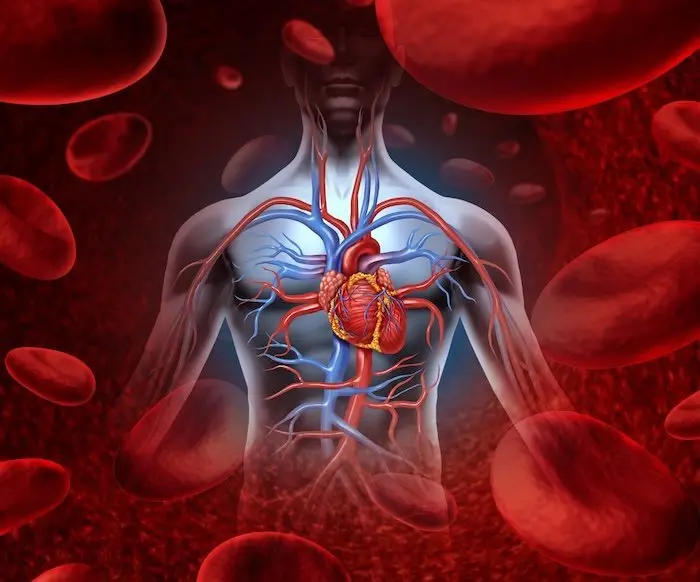
High blood pressure is a major risk factor for heart disease. Good news: cycling helps regulate it. By pedaling, you stimulate blood circulation, which reduces pressure on your artery walls. In the long term, this protects your heart and reduces the risk of complications.
What science says: A meta-analysis from The Lancet (Cornelissen, V. A., & Smart, N. A. (2016). Exercise training for blood pressure: a systematic review and meta-analysis. The Lancet, 387(10022), 957-965) shows that aerobic activities like cycling can reduce systolic blood pressure by an average of 4 to 8 mmHg, an effect comparable to some medications.
Better Circulation for Light Legs
When you pedal, your muscles demand more blood, which improves circulation. This better oxygenates your tissues and prevents the sensation of heavy legs, often linked to poor circulation. Furthermore, cycling reduces the risk of vascular disorders, such as varicose veins or thromboses.
What science says: A study from the University of Copenhagen (Gliemann, L., et al. (2018). Effects of cycling on vascular function. Journal of Applied Physiology, 125(3), 766-774) demonstrated that regular cycling improves endothelial function (the health of blood vessel walls), thereby reducing the risk of peripheral vascular diseases.
Balanced Cholesterol, Protected Arteries
Cycling acts as a natural regulator of your cholesterol. It increases “good” cholesterol (HDL) while reducing “bad” cholesterol (LDL). The result: fewer plaques in your arteries, which decreases the risk of heart attack or stroke.
What science says: According to a study from The Journal of the American Heart Association (Wang, Y., et al. (2019). Cycling and lipid profile improvement. Journal of the American Heart Association, 8(14), e012051), regular cyclists have a healthier lipid profile, with a 10 to 15% increase in HDL after 6 months of regular practice.
An Adapted, But Progressive Sport
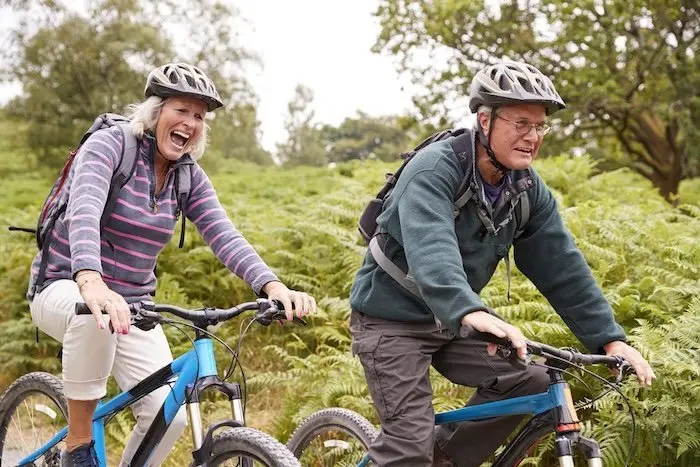
Cycling is an activity that creates few impacts, ideal for all ages and fitness levels. Whether you are a beginner or an experienced athlete, you can practice it on the road or on trails. However, to maximize the benefits without risking overload, adopt a progressive approach:
- Beginners: start with 20 to 30 minutes, 2 to 3 times a week, at a moderate intensity (you should be able to talk while pedaling).
- Intermediates: move to 45 minutes to 1 hour, 3 to 4 times a week, incorporating varied routes (flat, gentle climbs).
- Confirmed: aim for 5 to 7 hours a week, with sessions including intervals or long rides to boost endurance.
- Experts: by riding 10 to 15 hours a week, you can prepare for competitive goals with specific training. And even at an advanced age, sustained training is always preferable to a sedentary lifestyle. Doctors always talk about the benefits-risks ratio for health. This is almost always favorable to diligent practice.
What science says: Large-scale studies (Mandsager, K. et al., « Association of Cardiorespiratory Fitness With Long-term Mortality Among Adults Undergoing Exercise Treadmill Testing, » JAMA Network Open, vol. 1, no. 6, Oct. 2018, doi : 10.1001/jamanetworkopen.2018.3605) show that VO2 max, an indicator of cardiorespiratory capacity, is directly linked to mortality risk. An analysis of over 122,000 patients reveals that individuals with low VO2 max have a significantly higher risk of all-cause mortality. Even a slight improvement in VO2 max, moving from low to moderate, can significantly reduce this risk.

Health tip: If you have risk factors (high blood pressure, diabetes, cardiac history), consult a doctor before starting. A personalized training plan, possibly supervised by a coach, will help you progress without burning out.
Cycling is Also Good for Morale
Beyond the physical benefits, pedaling releases endorphins, reducing stress and improving mood. Riding in nature or in the city reconnects you with your environment, a real plus for mental health.
What science says: A study from The British Journal of Sports Medicine (Chekroud, S. R., et al. (2020). Association between physical exercise and mental health. The British Journal of Sports Medicine, 54(10), 599-607) shows that regular cycling reduces symptoms of depression and anxiety by 20 to 30% in adults.
How to Integrate Cycling into Your Life?
First, choose the right bike. A road bike, a gravel bike, a mountain bike, a hybrid bike, or even an electric bike: all types of machines are beneficial for your fulfillment through pedaling, but it must be adapted to the terrain you plan to ride on. But most importantly, your bike must be the right size and properly adjusted for your body shape, to limit the risk of injury and ensure good handling.
To ride with pleasure, equip yourself properly. A helmet and appropriate clothing are essential for your safety and comfort.
Set realistic goals. Don’t embark on your first 200 km brevet or the climb of Alpe d’Huez if you’re just starting out. Gradually increase the distance, intensity, and difficulty of your routes. The good news is that if you are consistent, you will progress quickly.
Finally, vary the pleasures. Alternate solo and group rides, short and fast sessions with long, managed rides, and commutes, without forgetting to simply look at the scenery from time to time without a time or average speed objective. This is the best way to appreciate the joy that cycling generally brings.
Pedal for Your Health!
Cycling is a powerful tool to strengthen your heart, regulate your cholesterol, improve your circulation, and boost your morale. Provided you progress at your own pace, it can transform your daily life. So, get on your bike and discover the joys of a healthier life!
Share the post "Cycling: a powerful ally for improving your health"