Share the post "Counterfeiting of sports memorabilia is becoming more sophisticated, and so is Catawiki’s expertise"
In 2024, hundreds of counterfeit sports items were thwarted by Catawiki experts in France. Discover the most common falsification techniques and how to spot them.
In the world of sports collectibles, passion often meets covetousness, and with it, counterfeiting. Catawiki, a leader in online auctions, reveals unprecedented data on fake sports memorabilia, unveiling the sophisticated methods used by counterfeiters and the tools deployed to protect collectors.
In 2024, more than 10% of sports items offered at auction in France on Catawiki were rejected due to authenticity issues. Signed jerseys, racing helmets, or legendary match balls: counterfeits are multiplying, driven by the increasing value of these unique pieces and the enthusiasm for limited editions.

Counterfeiting techniques deciphered
Ana Maria Covrig, sports item expert at Catawiki, shares the most common methods used by counterfeiters:
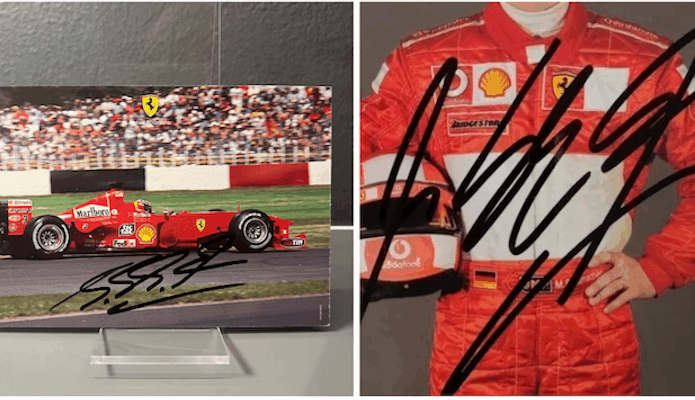
- Falsified signatures: Counterfeit autographs imitate the style, stroke order, and even pen pressure. To the naked eye, a signed jersey or ball may seem authentic. However, using digital tools, experts spot anomalies, such as stopping points in the signature, which reveal an imitation.
- Fake Certificates of Authenticity (COA): Fraudulent certificates, sometimes with seemingly valid serial numbers, deceive buyers. Identifying these fakes requires an in-depth analysis of certification processes, a key skill of Catawiki experts.
- Manipulated photos: Counterfeiters do not hesitate to retouch images to show an athlete signing an item. Artificial shadows, altered positions, or suspicious sharpness: these manipulations are detected by careful examination, often supplemented by verification with brands or clubs.
Counterfeiters’ preferred targets
Counterfeits focus on items with high emotional or cultural value, including:
- ICONS and Upper Deck certificates.
- Signed jerseys from brands like Nike, Adidas, or Puma.
- Racing helmets presented as authentic.
- Modified suits to resemble those of famous drivers.
- Memorabilia related to champions currently active or recently retired.
“As soon as an athlete makes headlines, counterfeits flood in,” explains Ana Maria Covrig. “For example, after a final or a significant anniversary, like the 40th anniversary of Michael Jordan’s first game, we saw fake match tickets appear in just a few days.”
How to protect yourself from counterfeits?
To avoid traps, Catawiki recommends buying through reliable platforms, where each item is rigorously authenticated. On Catawiki, experts combine advanced technologies and sharp expertise to examine signatures, certificates, and provenances before any auction. “Nothing replaces human expertise supported by precise tools,” insists Ana Maria Covrig.
Key advice: favor recognized marketplaces and avoid unverified sellers to guarantee the authenticity of your sports treasures.
With the rise of counterfeits, vigilance and expertise remain the best assets for passionate collectors. Thanks to platforms like Catawiki, the history of sport remains in good hands.
Share the post "Counterfeiting of sports memorabilia is becoming more sophisticated, and so is Catawiki’s expertise"