Share the post "Cycling: A Sport Marked by Inequalities"
Cycling is often perceived as a sport where training and determination are enough to shine. However, the reality is more complex. Between genetics, socio-economic environment, and sports practice from childhood, the chances of success vary considerably even before the start. Here are the main factors explaining these disparities.
By Guillaume Judas – Photos: depositphotos.com
Performance Differences from the Start
In cycling, performance gaps are obvious, whether in a one-day race, a stage, or a short effort. While most experienced cyclists can cover 200 km at their own pace, maintaining a speed of 50 km/h over one kilometer is a completely different challenge, reserved for a minority. These differences are not solely explained by training.
The Weight of Genetics
VO2max, an indicator of the maximum capacity to consume oxygen during intense effort (expressed in ml/kg/min), is a key factor in aerobic performance. Determined in part by heredity, it varies from one individual to another.
For example, Mathieu van der Poel, son of Adrie van der Poel and grandson of Raymond Poulidor, likely benefits from an exceptional VO2max, favored by his genetic background.
Optimal training can improve VO2max by 20 to 30%. A sedentary person with a VO2max of 40–45 ml/kg/min can reach 50–60 ml/kg/min with diligence, especially in late adolescence, a key period for its development. However, stage race champions often display a VO2max above 90 ml/kg/min, elite riders around 80, and the best amateurs between 60 and 70. With a VO2max of 60, it is difficult to compete at the highest level.
Studies, particularly on mice, suggest that the motivation to train could also be influenced by genetics, reinforcing the disparities from the start.
The Influence of Environment and Childhood
Epigenetics, which modulates gene expression, plays an important role. Active parents can transmit favorable predispositions to sport. Furthermore, early sports practice during childhood develops technical skills, effort tolerance, and self-confidence.
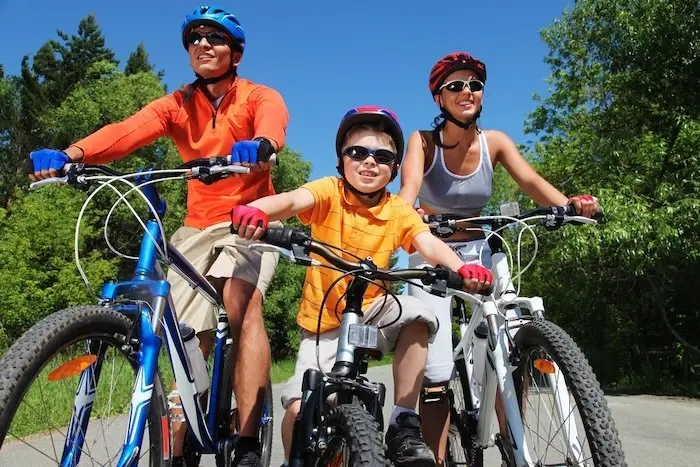
Children with access to activities such as cycling, swimming, or athletics gain a lasting advantage. For example, Remco Evenepoel, who switched from football to cycling at 17, capitalized on his athletic qualities developed at a young age.
Nutrition during childhood is also crucial. Eating habits and early overweight can limit adult performance by influencing body composition.
Socio-economic Factors
The socio-economic environment conditions access to sport. Costly sports activities, such as cycling, require financial means, especially for high-performance equipment. A high-end bike, which can cost 6,000 to 7,000 €, offers a significant advantage, widening the gap from the youth categories.
In adulthood, professional constraints (physical jobs, irregular hours) and family commitments reduce the time and energy available for training, limiting the chances of performing in amateur competition.
Rethinking Cycling Practice
Given these inequalities, the pursuit of performance can prove frustrating, especially with age. An alternative is to prioritize recreational cycling, focused on pleasure and health. Regular practice improves cardiovascular health, mental well-being, and limits weight gain, while also offering moments of conviviality.
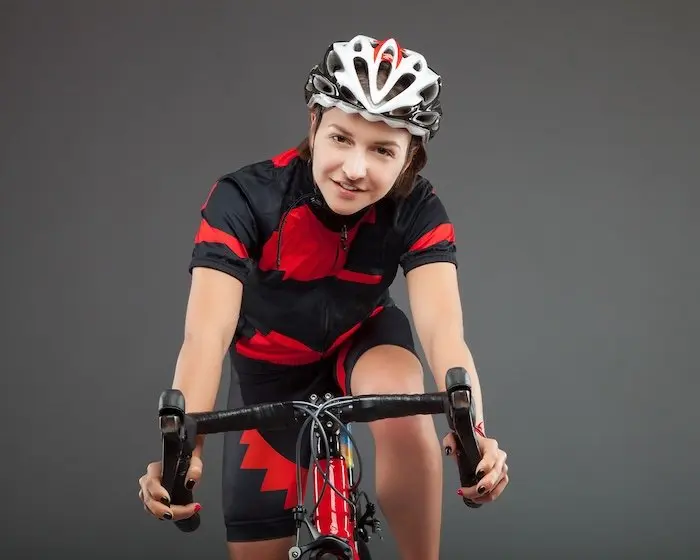
The rise of ultra-distance events, on road or gravel, highlights qualities such as effort management and endurance, rather than raw power. These formats allow everyone to find objectives suited to their abilities.
Rather than aiming for inaccessible performances, you can turn to a practice focused on pleasure, health, and discovery. The real victory lies in regular and adapted practice, at any age.
Share the post "Cycling: A Sport Marked by Inequalities"