Share the post "The final stretch before a race"
It is obvious that it is no longer in the very last days before a race that one should “train” to improve one’s physical condition. Nevertheless, if it is no longer possible to “change engine size” 48 hours before the start, the risk of “seizing the engine” or, conversely, of riding in “under-revs” remains present. Indeed, for success to be achieved, performance factors must be optimized, whether it concerns general lifestyle and diet in particular, or the last session, known as the “opener ride”. Countdown…
Text: Olivier Dulaurent – Photos: depositphotos.com
H-48
For obvious reasons related to the fatigue and stress caused by travel, if the event takes place far from home on Sunday, it is even preferable to hit the road on Friday. Indeed, if the journey lasts five hours or more, it would take up a good part of Saturday, which would prevent the smooth running of the opener ride preparation.
Once there, settle in calmly and reassemble your equipment. This is the perfect time to check your bike: you have at least a few hours ahead of you: check the proper functioning of the bike in general, especially the derailleurs: it frequently happens that electronic derailleurs run out of battery during transport if one of the shifters is accidentally activated. Also, remember to take the charger and check the battery status the day before the race!
As soon as you arrive, walk for a few minutes to oxygenate yourself and stretch your legs.
For the rest, avoid any major physical efforts: unless you are used to training daily, in which case you should not break your rhythm, it is rather advisable to avoid riding on Friday: fatigue often manifests 48 hours after a given effort (on average), so anything you do on Friday could diminish your potential on the starting line on Sunday. Again, this is not true if your weekly total significantly exceeds 10 hours.
Some cyclists, arriving on Friday, will undertake a long ride of 3 hours or more, and moreover, will reconnoiter part of the course at a pace significantly higher than an “endurance pace”. This is a gross error if you are not used to it: the waste products will not be entirely eliminated by Sunday, and the fatigue caused by this ride will still be present. Furthermore, you must first and foremost recover from the journey! For accustomed bodies, riding smoothly at a maximum of 60% of MAP (Maximal Aerobic Power, i.e., the record average power recorded over five minutes) on part of a climb (in cases where the topography allows it, of course) can, however, help to get “the gearing back in the legs” for the day after tomorrow.
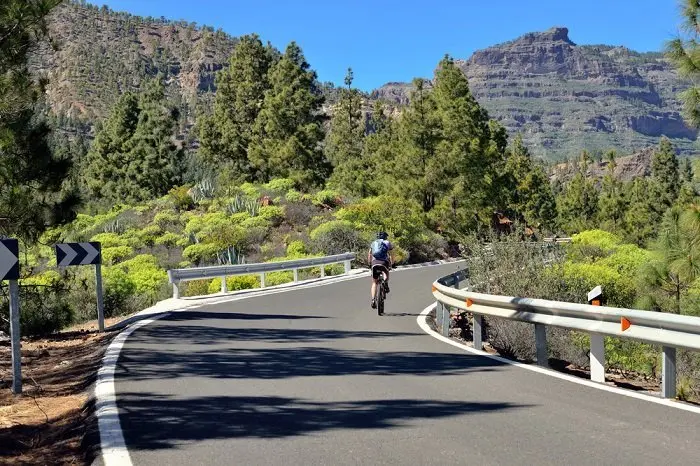
But most of the time, at most, it is interesting to use an electrostimulation device to recover from the journey: the “recovery”, “heavy legs”, or even “capillarization” modes are particularly suitable for this purpose. Failing that, compression socks are very useful in this case.
H-36
Friday evening will be an important moment in your pre-race preparation: at this precise moment, you must avoid any additional fatigue. If your lifestyle has not been irreproachable recently due to multiple but often professional reasons, it will be necessary to reverse the trend by absolutely avoiding any source of additional fatigue, whether physical or mental.
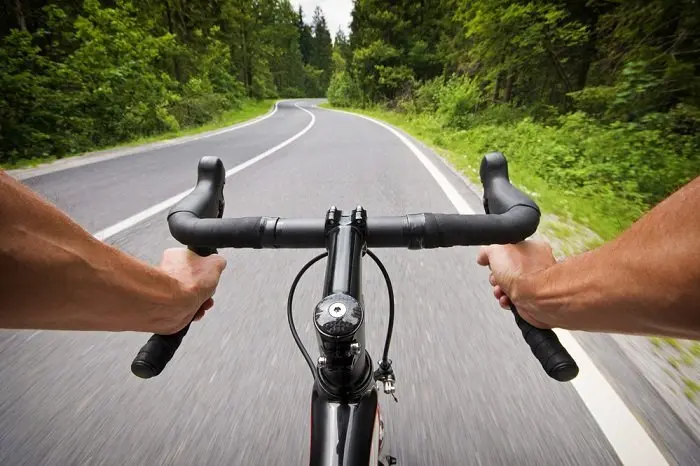
From a dietary perspective, Friday evening’s meal should be high in carbohydrates: pasta, rice, potatoes, wheat, couscous semolina, and to a lesser extent bread, will feature prominently at your table. White meat or fish will advantageously replace red meat. Fruits and vegetables should not be abandoned but consumed in small quantities because the fibers they contain can cause bloating during the effort required during the race. And here again, with these upcoming efforts linked to a certain stress, it is not necessarily the best time to consume them when digestive comfort is what is sought.
Finally, quite logically, go to bed at a reasonable hour: even more than the last night, which is very often disrupted by stress and remains less important than the penultimate night’s rest, this one is essential for good recovery and to store up “juice”!
H-24
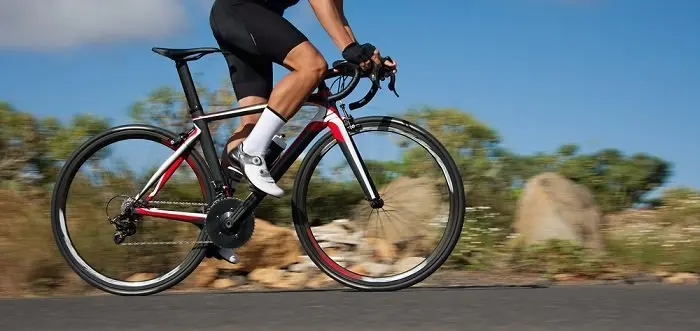
On Saturday morning, two hours after a breakfast that will also be protein and carbohydrate-rich (bread, ham, egg, jam or honey, a hot drink, if possible avoid fruits), you can go for an opener ride.
The opener ride itself
This session, traditionally carried out the day before the race, was the subject of a detailed article, to be re-read HERE.
H-20 to H-12
Still assuming a race on Sunday, and after the famous opener ride in the morning, Saturday afternoon will be dedicated to rest.
Take advantage of this half-day to pick up your bib number, if possible the day before, and check the final preparations: the bike one last time, the weather as late as possible and the clothing strategy to deal with it, the nutrition (solid and liquid, without trying anything new).
If you are used to napping, do not change your habits.
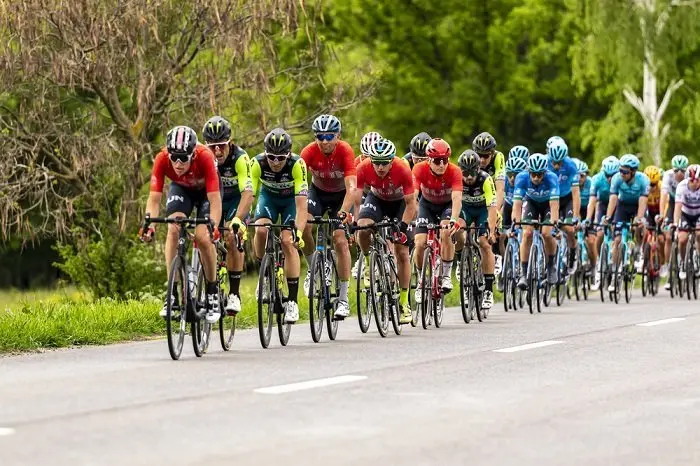
Furthermore, and more than ever, remember to hydrate regularly throughout the day. This will help to fix glycogen (the cyclist’s fuel) in the liver and muscles, to avoid running out of energy the next day.
The evening meal, which will be taken early enough not to hinder digestion, will be, like the day before, high in carbohydrates but not too copious to promote sleep. Especially since at this stage of preparation, glycogen storage is significantly less efficient than 48 or 72 hours earlier. Serve yourself pasta to reassure yourself but be reasonable! Moreover, you will avoid the possible sensation of heavy thighs if you gorged yourself on slow-release carbohydrates the night before.
H-3
If the start is very early (the case of a sportive), set your alarm early enough according to digestion time and a protocol already validated beforehand. Do not deviate from your habits but do not eat too much: prioritize adapted and regular nutrition during the event. Today, there are many preparations particularly suited to pre-competitive effort. Easily digestible, they allow you to last for the duration of the event. They will in any case be more suitable than the traditional bread-butter-jam or even pasta, which are useless at that moment and especially too long to digest.
But it is also possible to prepare a good “Gatosport” yourself.

H-1
It’s time to warm up: contrary to many practitioners who wrongly believe that warming up is useless, you must, on the contrary, prepare your body for the efforts to come. The main objectives will therefore be:
– elevation of body temperature
– elevation of heart rate
– increased alertness and concentration
– “psychological” entry into the activity
A protocol similar to the previous day’s opener ride, but shorter, both in total duration and in the number of repetitions and efforts, can be applied. A cool-down of about 10 minutes should follow.
It will then be time to join the starting line. Depending on the format of the event, and even if it may be mandatory to wait half an hour or more before being “released” onto the course, the conscientious warm-up you have performed will remain beneficial. Indeed, the heart rate will respond much more easily to the fast start that will take “the cardio” from 100 to 170 beats per minute and more in a few tens of seconds.
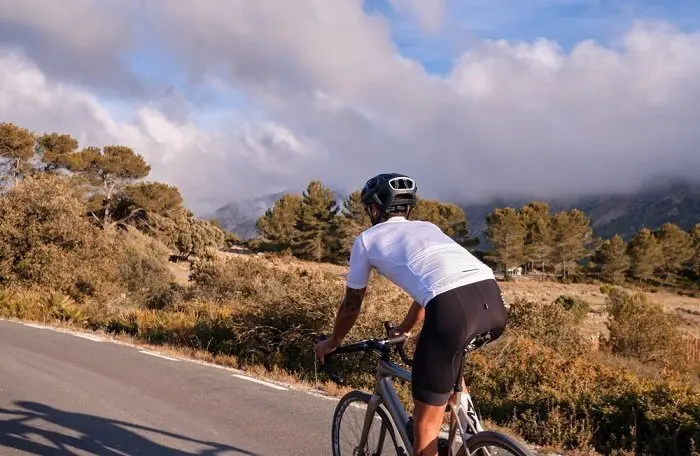
5, 4, 3, 2, 1. Go!
This countdown detailing the last 48 hours shows how this final stretch is a succession of details that, put together, are no longer just details. From dietary strategy to the last pedal strokes before being released onto the course, from the start time to logistical organization, it remains easy to put all the odds in your favor. Indeed, it would be a shame to diminish the efforts made in training due to a few shortcomings in the final straight.
Share the post "The final stretch before a race"