Share the post "How Your Gut Affects Your Performance"
Poor gut health can disrupt your training, recovery, and immune defenses
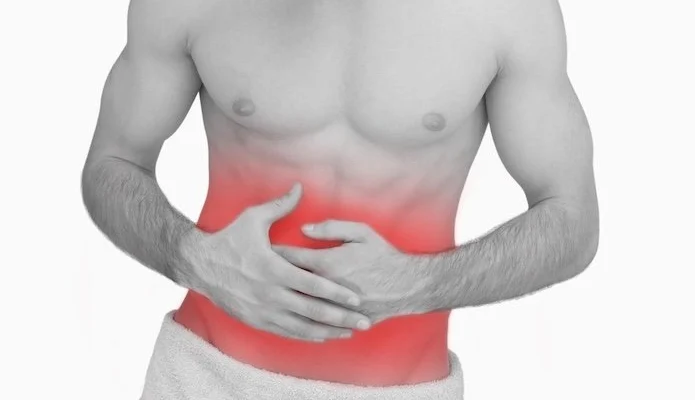
Bloating, cramps, diarrhea: have your intestines ever played tricks on you during exercise? You’re not alone. Nearly 70% of runners suffer from digestive issues during training or races, a topic often considered taboo. And cyclists are also victims. Yet, the health of your gut microbiome is a powerful lever to optimize your performance, strengthen your immunity, and accelerate your recovery. Here’s how your intestines influence your sports practice and our tips for taking care of them.
By Guillaume Judas – Photos: depositphotos.com
The microbiome, your performance ally
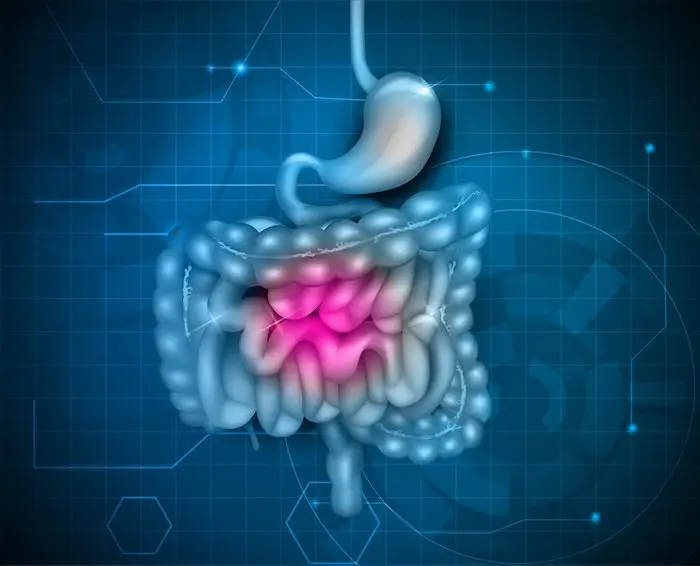
The gut microbiome is an ecosystem of 300 trillion bacteria (up to 2 kg!) that populates your digestive tract. Unique to each person, it plays a key role in your metabolism, energy, and immune defenses. Formed in the first years of life, it evolves with your diet, lifestyle, and environment. A balanced microbiome consists of approximately 80% “good” bacteria and 20% “less good” ones. This balance directly impacts your ability to perform, whether on a track, a bike, or in the gym.
But when the intestines go awry, the whole machine sputters: laborious digestion, fatigue, decreased motivation, and even increased risk of injury. The good news? You can act to optimize your gut health and unleash your full potential.
7 keys to top-notch intestines
Here are practical, science-backed tips to pamper your microbiome and boost your performance.
1. Eat smart
A varied diet rich in fiber is the foundation. Vegetables, fruits, whole grains, and legumes nourish your good bacteria and regulate your transit. Add fermented foods like yogurt, kefir, sauerkraut, or kimchi, which are true probiotic powerhouses. Prioritize complex carbohydrates (quinoa, sweet potato) and good fats (avocado, nuts) to support the regeneration of the intestinal lining. After exercise, focus on quality proteins to repair and refuel.
2. Chew to win
Chewing slowly (20 to 30 times per bite) isn’t just old wives’ advice. It boosts the production of saliva and digestive enzymes, facilitating nutrient assimilation and protecting against harmful bacteria. Goal: a 50/50 mix of food and saliva for optimal digestion.
3. Time your meals
Before training, opt for light meals, low in fat and fiber, to avoid heaviness. Post-effort, combine carbohydrates and proteins within an hour to maximize recovery and replenish your energy reserves. Respect a 3-hour break between meals to allow your intestines to regenerate.
4. Hydrate thoroughly
Dehydration slows digestion and can cause issues during exercise. Drink 30 to 40 ml of water per kilogram of body weight daily, and even more in hot weather or during intense sessions. Add electrolytes (sodium, potassium, magnesium) to optimize intestinal function and prevent cramps.
5. Move… but not too hard
Moderate activity, such as a light endurance ride, stimulates blood circulation in the intestines, improves digestion, and strengthens immunity. But be careful: overly intense effort or dehydration can temporarily disrupt the intestinal lining, causing bloating or nausea. Solution? A dynamic warm-up of at least 15 minutes to prepare your intestines for the effort.
6. De-stress and sleep
Chronic stress disrupts the microbiome and can trigger constipation or diarrhea. Quality sleep (7 to 9 hours) is crucial for regenerating the intestinal lining and maintaining bacterial balance. Meditation, yoga, or simple walks can also calm your nervous system and your intestines.
7. Limit antibiotics and anti-inflammatories
Antibiotics disrupt the gut flora. If you need to take them, compensate with probiotics or prebiotics to restore balance. Anti-inflammatories, often used to relieve muscle pain, can damage the lining. Prefer alternatives like stretching, cold baths, or massages.
Why does it matter?
Healthy intestines mean smooth digestion, better nutrient assimilation, accelerated recovery, and a robust immune system. For athletes, it’s the guarantee of going the distance, avoiding slumps, and performing at their best level. So, instead of focusing solely on your muscles or cardio, give your intestines some love. They’ll repay you on the field!
Want to go further? Consult a nutritionist or a specialized coach to personalize your dietary and intestinal plan.
Share the post "How Your Gut Affects Your Performance"