Share the post "The price of a bike: what can you expect for your budget?"
A road bike is much more than a simple means of transport: it’s a passion, a performance tool, and for many, an investment. But with such a diversity of prices – from a few hundred to several thousand euros – it can be difficult to navigate. What can you really expect from a road bike based on your budget in terms of efficiency, performance, and enjoyment? Here’s a clear guide to help you choose according to your needs and means.
By Guillaume Judas – Photos: depositphotos.com, Grok
1. Entry-level: less than €1500
Road bikes at this price point are perfect for beginners or occasional cyclists. At this level, you generally find:
Frame: aluminum (or steel), robust but heavier than carbon.
Drivetrain: entry-level groupsets like Shimano Claris, Sora, or Tiagra, or even 105 (8 to 11 speeds), which offer good reliability but gear changes that aren’t as smooth as higher-end drivetrains.
Brakes: rim brakes, or disc brakes, but with a cable system.
Wheels: often basic, with aluminum rims that are not very aerodynamic.
Weight: from 9 to over 10 kg, which is decent but noticeable on climbs.
What to expect: these bikes are suitable for getting started in road cycling, doing rides of 30 to 80 km, or riding without aiming for pure performance. They are limited for long distances or competitions but offer excellent value for money for beginners.
2. Mid-range: €1500 to €3000
In this price range, we enter the realm of regular cyclists. Here’s what changes:
Frame: high-end aluminum or entry-level carbon, lighter (around 9 kg) and more comfortable.
Drivetrain: Shimano 105 or SRAM Apex (11 to 12 speeds), with precise gear changes and good durability. At the higher end of the price range, you can find electronic drivetrains with Shimano 105 Di2.
Wheels: lighter and sometimes aero-profiled, they improve speed and handling.
Components: hydraulic disc brakes, for more safety and control.
What to expect: these bikes are ideal for moderately long (50 to 100 km) and regular rides, or sportives, without aiming for the top of the rankings. They offer a good compromise between performance, comfort, and price, perfect for progressing without breaking the bank.
3. Upper mid-range: €3000 to €6000
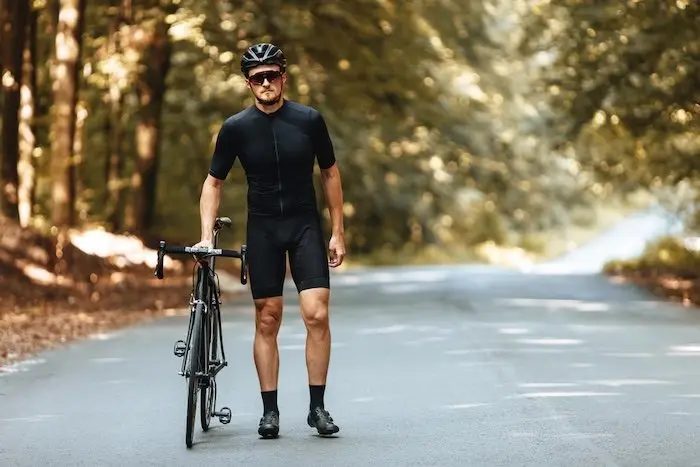
At this level, we’re targeting enthusiasts or amateur competitors:
Frame: good quality carbon, optimized for lightness (for a bike weighing 8 to 8.5 kg) and stiffness.
Drivetrain: Shimano 105 or Ultegra Di2, SRAM Rival AXS or Force AXS, with electronic derailleurs for maximum precision.
Wheels: entry-level carbon or high-end aluminum, with an aerodynamic profile for increased speed.
Details: refined finishes, optimized components (crankset, saddle, handlebars).
What to expect: a machine capable of handling races or intensive training. The gain in stiffness, weight, and aerodynamics is clearly felt, especially on demanding or hilly courses.
4. High-end: €6000 to €10,000
This is the domain of those who aim for the best balance between performance close to that of a pro bike and price:
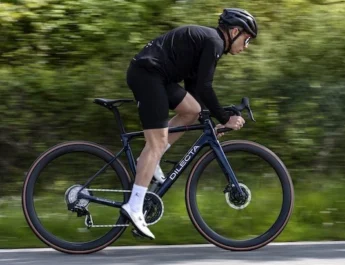
Frame: ultra-light carbon (for a bike often between 7.5 and 8 kg).
Drivetrain: Shimano Ultegra Di2, or even Dura-Ace Di2 at the higher end of the range, SRAM Force AXS or Red AXS close to €10,000, at the pinnacle of technology.
Wheels: high-profile carbon, sometimes specific (climbing wheels, time trial), but at the second-tier range from manufacturers.
Extras: carbon handlebars and stem, or one-piece handlebar, integrated power meter, design optimized for aerodynamics.
What to expect: performance and sensations very close to pro bikes. Machines made for competition or very intensive use. Every detail is designed to save watts and maximize efficiency.
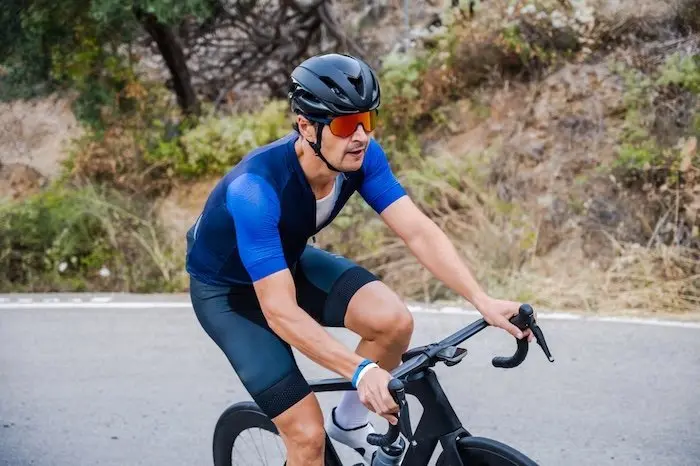
5. Very high-end: from €10,000 to over €15,000
We enter the realm of dream brands and models, where the price also reflects prestige and rarity.
Frame: high-modulus carbon (ultra-light and ultra-stiff), often wind-tunnel optimized for aerodynamics. Advanced manufacturing techniques (specific molding and fibers) to reduce weight while maximizing performance.
Drivetrain: bikes are equipped with high-end groupsets like Shimano Dura-Ace Di2, SRAM Red AXS, or Campagnolo Super Record EPS. These drivetrains are lighter and often come with integrated power meters.
Wheels: high-end carbon, with specific profiles. Optimized hubs and spokes to reduce weight and improve overall efficiency.
Ancillary components: everything is high-end carbon.
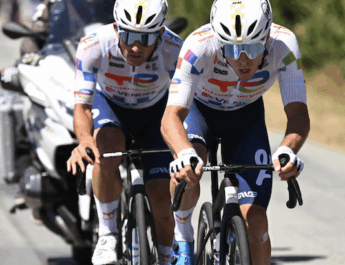
What to expect: very sharp performance, for machines capable of competing in World Tour races.
What are the differences between a high-end bike and a very high-end bike?
The difference between a road bike around €6,000 or €7,000 and a bike over €10,000 lies mainly in the quality of materials, embedded technology, weight, finishes, and overall performance level. At the highest price level, components are selected from the best available in each category in terms of stiffness and lightness.
Very high-end bikes generally display a weight around 7 kg, or sometimes even a little less. A gain of half a kilo compared to the lower price bracket, which is felt at the highest level of competition or on the toughest climbs.
These bikes can also be ultra-performing in a specific area, whether in terms of lightness or aerodynamics.
If you are a passionate amateur, a bike at €6,000 or €7,000 will be more than enough. Above €10,000, the investment is mainly justified by the pursuit of perfection or very high-level competitive practice. It all depends on your ambitions and your wallet!

Some advice before buying
Try before you buy: a bike well-suited to your body shape is more important than a high price.
Consider ancillary costs: helmet, pedals, kit, maintenance… the budget doesn’t stop at the bike!
Used bikes: a high-end model from 2-3 years ago can be an interesting alternative.
In conclusion, the price of a road bike often reflects the expected level of performance and comfort. Define your goals and frequency of use to find the right balance. So, ready to pedal?

Share the post "The price of a bike: what can you expect for your budget?"