Share the post "Test Ride of the New Canyon Aeroad CF SLX 8"
The all-new 2025 Canyon Aeroad CF SLX represents a subtle evolution from the previous generation of a model that has long been a benchmark for performance and versatility. Stiffer, more responsive, yet also more stable, this version—equipped with a Shimano Ultegra Di2 groupset and DT Swiss Arc 1400 wheels—offers one of the best values on the market for speed and competition enthusiasts. Here’s our review of one of the most successful bikes on the market today.
By Guillaume Judas – Photos: ©Vincent Lyky
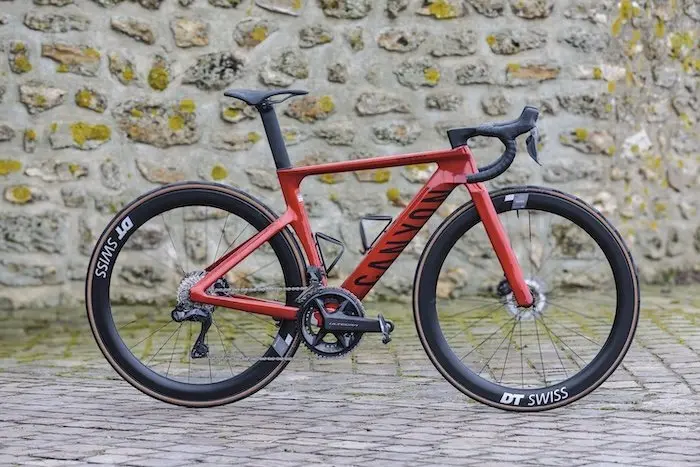
The 2025 Canyon Aeroad CF SLX 8.0 is part of the fourth generation of the Aeroad lineup. The frame is positioned as the second tier in the German brand’s lineup, just below the Aeroad CFR. It differs from the CFR solely in its manufacturing process, which is slightly less sophisticated, resulting in a weight that’s a few dozen grams heavier.
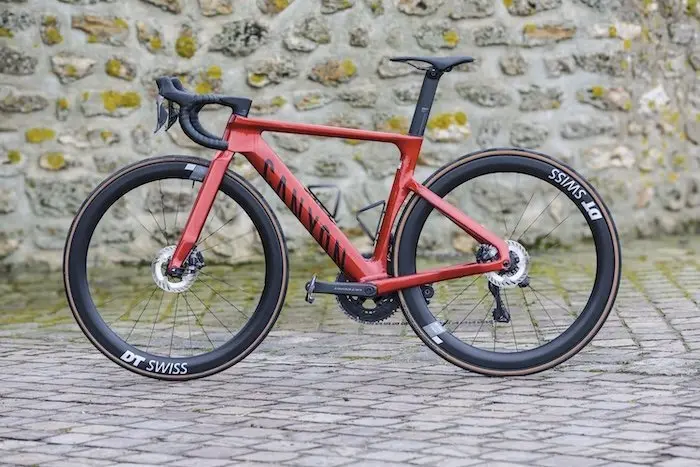
As with most frames on the market, the Aeroad CF SLX is made from carbon fibers selected to meet the specific requirements of each part of the bike. Canyon uses a combination of high-modulus and intermediate-modulus fibers. They are arranged in a precise orientation to maximize the frame’s mechanical properties.
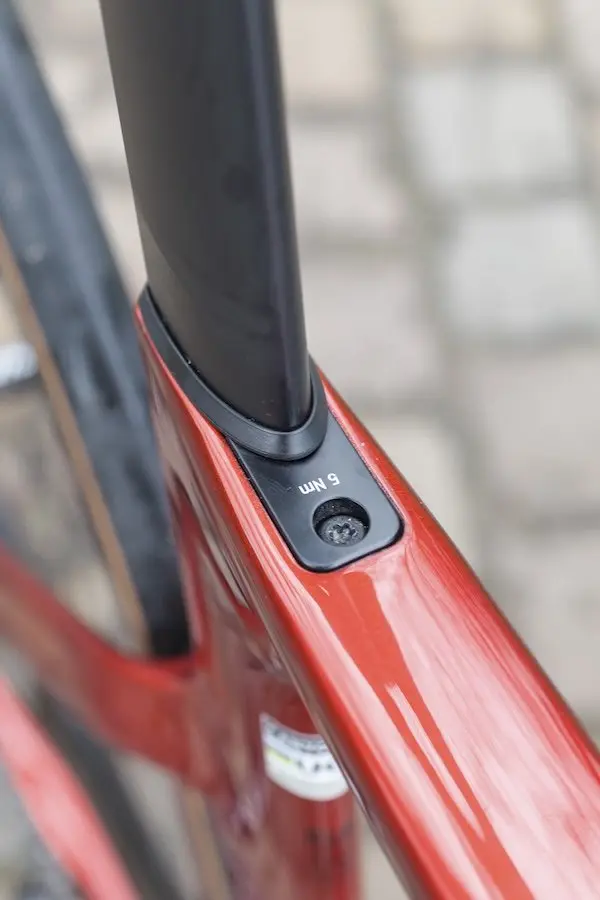
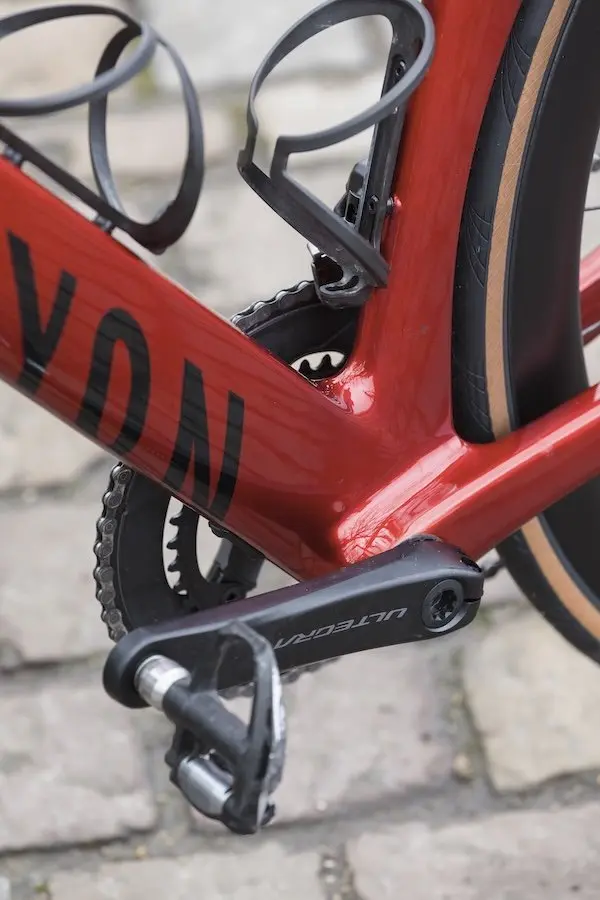
High-modulus fibers are used in areas requiring maximum stiffness, such as the bottom bracket shell and down tube, to ensure optimal power transfer. Intermediate-modulus fibers are placed in areas such as the seat tube and seat stays. They offer a degree of flexibility to absorb vibrations, thereby improving comfort without compromising performance.
The manufacturing process is based on finite element analysis (FEA) and rigorous laboratory testing. This approach allows Canyon to reduce the frame’s weight while reinforcing critical areas. This ensures durability and reliability, in addition to the dynamic handling intended by the designers.
With a claimed frame weight of approximately 1 kg (depending on size), the Aeroad CF SLX ranks among the lightest aerodynamic bikes in its class. This low weight is achieved through a careful reduction in the amount of resin used in the manufacturing process, while maintaining optimal stiffness.
Further-improved aerodynamics
The fourth-generation Canyon Aeroad CF SLX is the result of extensive wind tunnel testing and close collaboration with aerodynamics experts, notably Swiss Side. The brand claims a significant improvement in aerodynamics compared to the previous generation, with a 7.5-watt savings at high speeds. This performance is achieved through optimized tube profiles, full cable integration, and an overall design that minimizes drag as much as possible.
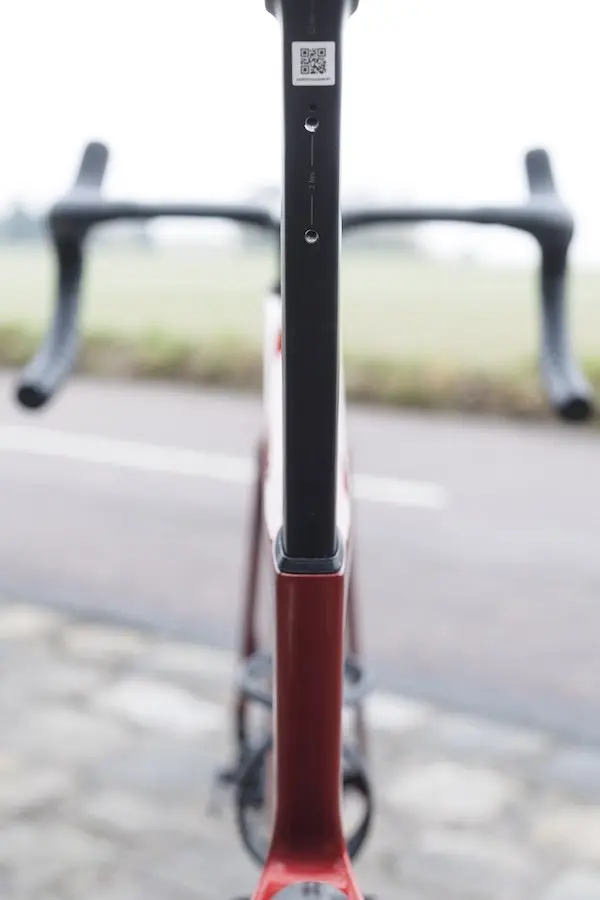
On this new model, the seat tube, seatpost, and seat stays have been slightly refined. In contrast, the top tube is a bit wider. Between the head tube and the down tube, the slight offset is a bit more pronounced than on the model we tested in 2023. Viewed from the side, the bike is therefore a bit surprising, especially in size XS, with much more clearance between the front wheel and the down tube than on some competing bikes.
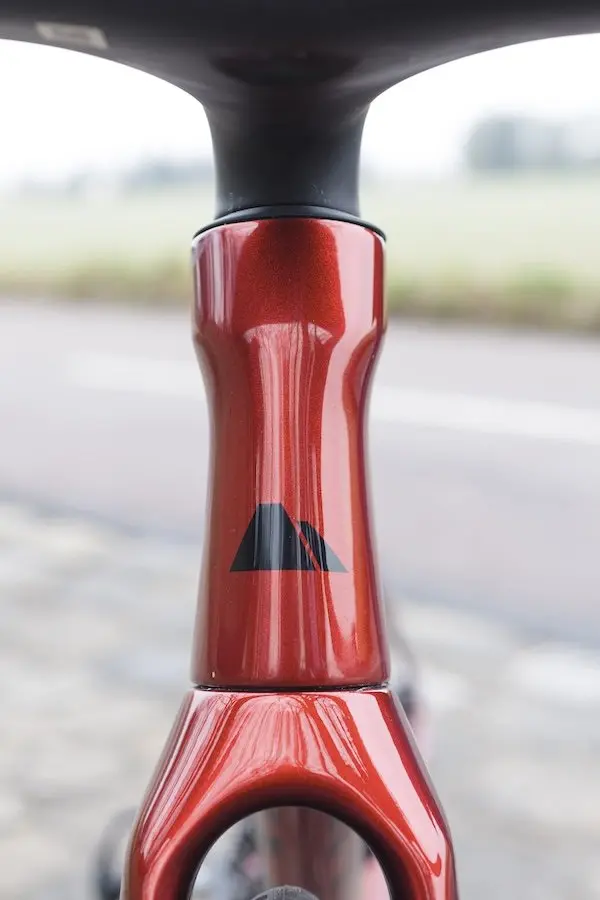
All cables are, of course, hidden inside the frame and cockpit, reducing drag and offering a clean, streamlined look. Finally, the DT Swiss Arc 1400 wheels with a 50-mm-high profile are an integral part of the design. They were also developed in collaboration with the aerodynamics specialists at Swiss Side. They seem to be a perfect fit for the bike, particularly in terms of stability in crosswinds.
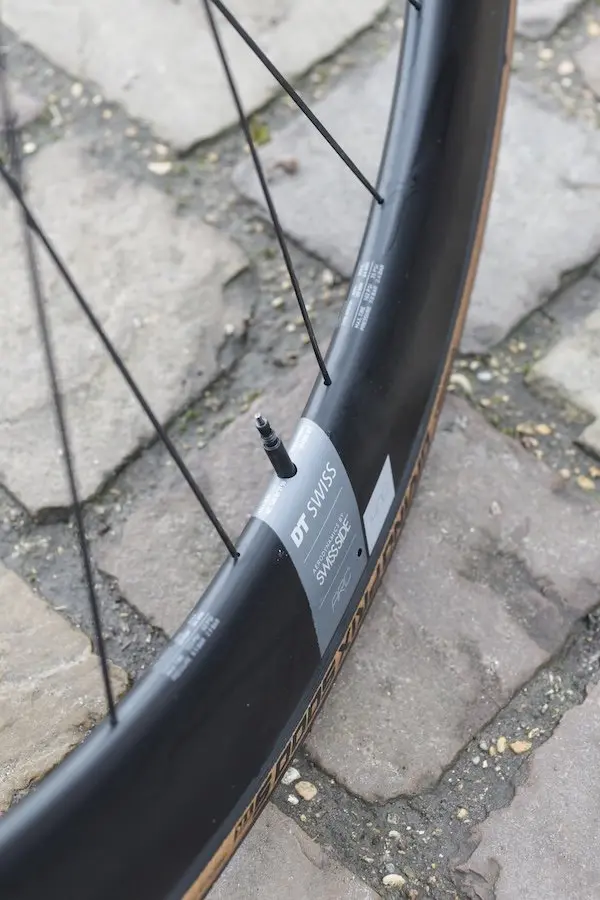
Their internal width is 20 mm, while many brands today go up to 22, 23, or even 25 mm for a rounder profile, which is supposed to provide better stability at high speeds. Nevertheless, by offering the Aeroad with different tire widths (25 mm in the front and 28 mm in the rear), Canyon has thought this through down to the smallest detail.
Nearly Custom-Fitted Cockpit
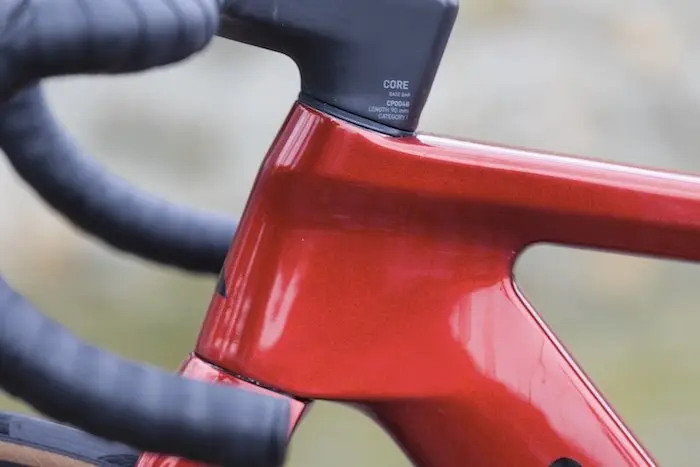
The adjustable Aerocockpit CP0048 cockpit is another major innovation. It allows for easy adjustment of the handlebar height (up to 20 mm) and width (up to 40 mm) without requiring complex modifications. Such as replacing components or cutting the head tube. This modularity is particularly appreciated by riders who want to customize their riding position to maximize comfort and efficiency.
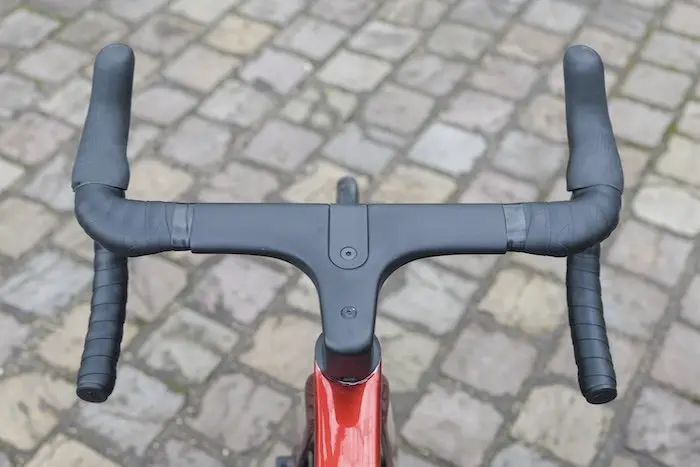
The cockpit consists of three parts. First, a T-shaped main segment connected to the fork pivot via a threaded component that replaces the expander. The length can be adjusted relative to the model defined by the bike’s size, for approximately €200. The installation here is more complex than simply changing the stem on a more traditional bike.
Note that adjusting the headset play is now simpler compared to the system previously used on the Aeroad.
Next, there are two extensions on either side of the T-shape, secured by two screws. This system allows you to adjust the handlebar width as desired (to 390, 410, or 430 mm). It also makes it easier to transport the bike under certain conditions by removing and folding both sections back toward the frame.
This solution was already featured on the previous Aeroad and the Ultimate, and here it’s accompanied by another option: Canyon now offers extensions with a 19° flare, resulting in an upper section that’s much narrower than the lower section.
This is something I haven’t tested yet. It should appeal to cyclists looking for a very aerodynamic position with their hands on the brake levers.
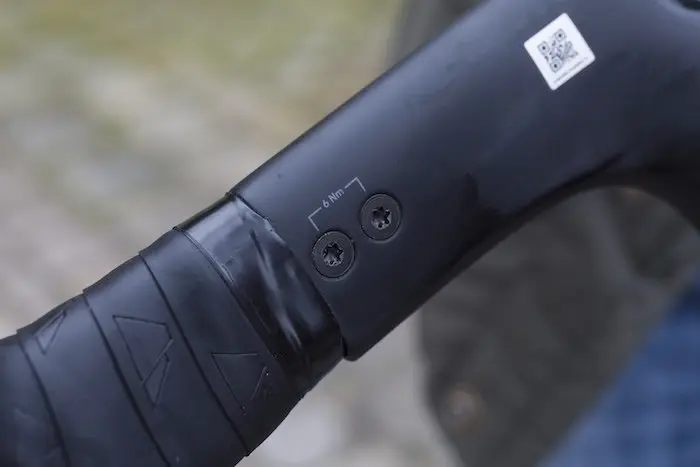
Without a doubt, Canyon stands out as a leader with this feature, especially since changing the extensions doesn’t require removing the brake hoses. On the standard cockpit that comes with the Aeroad CF SLX 8, I find the lower part of the handlebar a bit too high and at an angle that doesn’t make it easy to position your hands. The flared extensions seem less tall and less deep.
That said, the cockpit system itself still exhibits a slight discrepancy in stiffness between the upper and lower sections of the handlebar.
Top-Tier Components
The Canyon Aeroad CF SLX 8 is equipped with a 12-speed Shimano Ultegra Di2 groupset, paired with a 4iiii power meter (in the left crank only). Aside from being slightly heavier than the Dura-Ace groupset (about 250 g), there is absolutely nothing to criticize about the Ultegra Di2, which is just as precise, fast, and high-performing as Shimano’s top-of-the-line models.
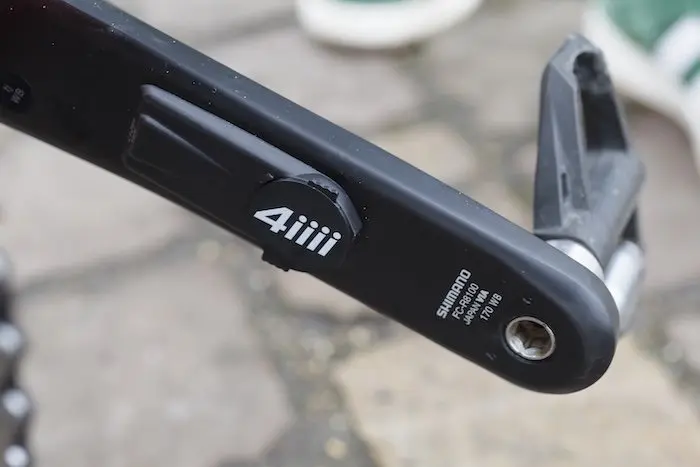
The only criticism one could level is regarding the chainrings that come with the bike: 52 and 36 teeth. That’s the maximum offered with Ultegra. At a time when more and more competitive riders are adopting higher gear ratios, it’s a shame that you can’t choose larger chainrings, whether for road racing or triathlons.
This option isn’t available with Ultegra, and in any case, it’s not an option with Canyon. The same goes for crank length, which is dictated by the brand. This is one of the limitations of online sales, but it does allow the brand to offer its bikes at the best possible price.
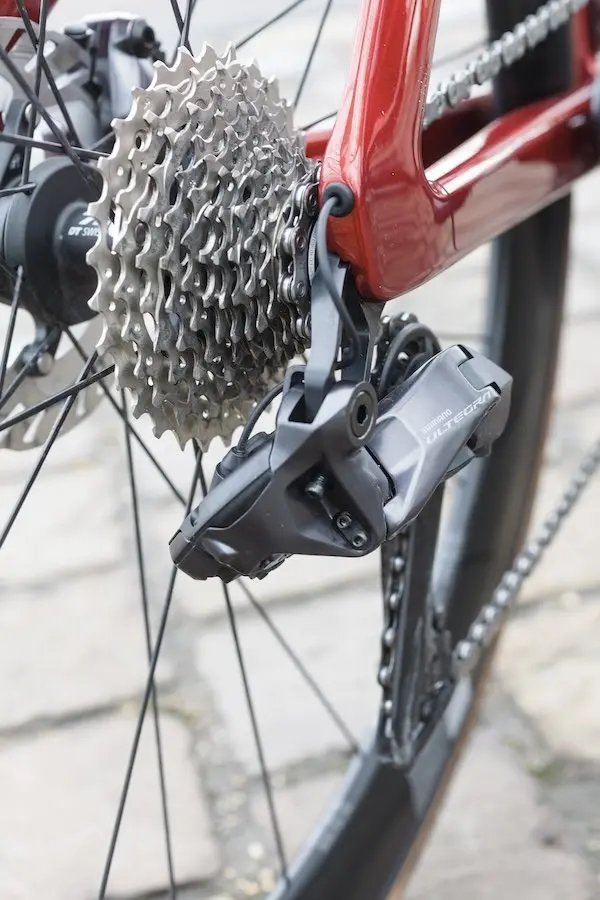
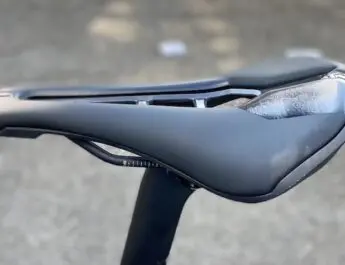
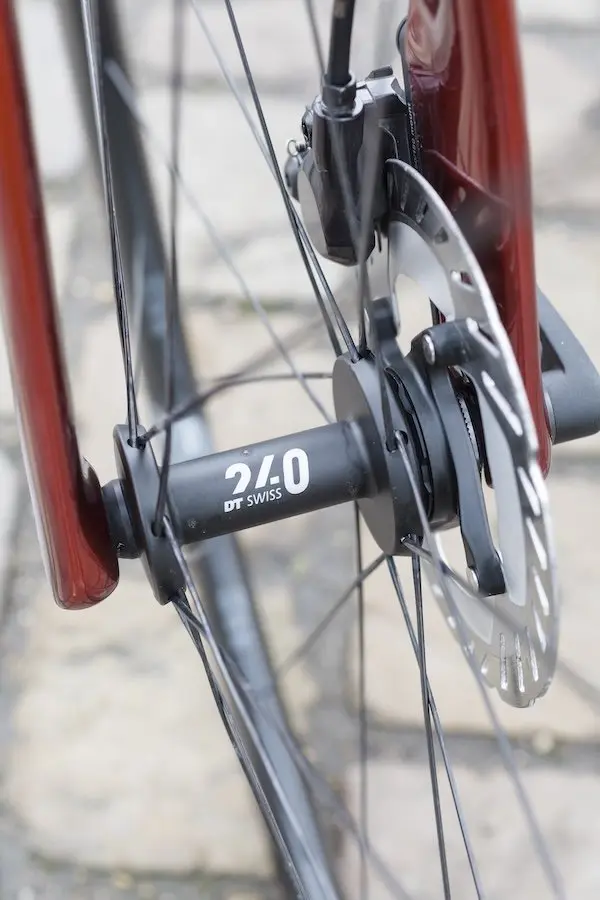
After all, for a price of €6,549, Canyon really takes care of its customers. In addition to the high-quality frame and groupset, it features DT Swiss Arc 1400 wheels, Continental GP 5000 S TR tires (fitted here with inner tubes), and a Selle Italia SLR Boost Superflow Kit Carbonio saddle.
The bike’s total weight is 7.49 kg, without pedals but including the bottle cages. A beautiful machine ready to race.
High-Performance Yet Versatile
While the Aeroad CF SLX 8 is designed first and foremost for performance, Canyon hasn’t neglected comfort—a crucial factor for long rides and demanding races. The seatpost offers some flexibility to absorb vibrations while remaining aerodynamic. It also features two threaded holes for accessories such as lights and frame plate mounts.
In addition, the bike is compatible with tires up to 32 mm, which improves comfort on rougher roads without compromising speed. On the road, the new-generation Aeroad isn’t really designed for sightseeing, but it remains relatively comfortable on four- to five-hour rides at a brisk pace.
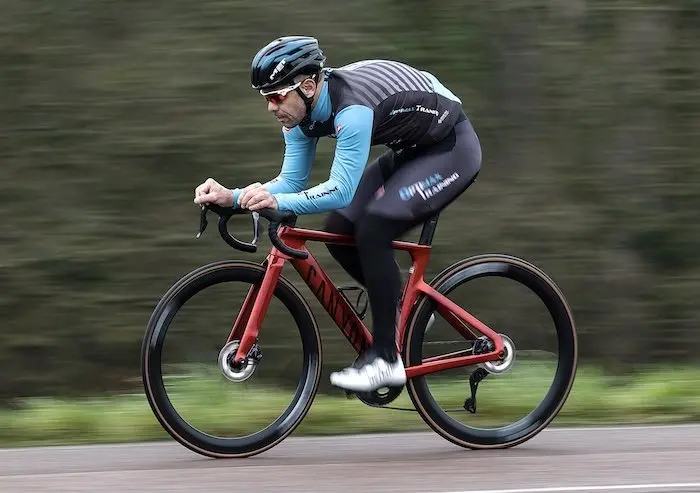
In terms of pure performance, the bike more than lives up to its promises. From the very first pedal strokes, I could feel the bike’s overall stiffness—but this stiffness shouldn’t be confused with excessive rigidity. The Aeroad is responsive and perfectly stable along its entire length. The wheels never seem to float in the middle of the frame, even during vigorous accelerations in a high gear.
And yet, I didn’t find it overly demanding either—in the sense that it doesn’t necessarily require a specific cadence or power output to accelerate or maintain a good pace in a group. I was able to climb some hills quite forcefully, at around 60 revolutions per minute, without feeling completely stuck, as is sometimes the case with very stiff frames.
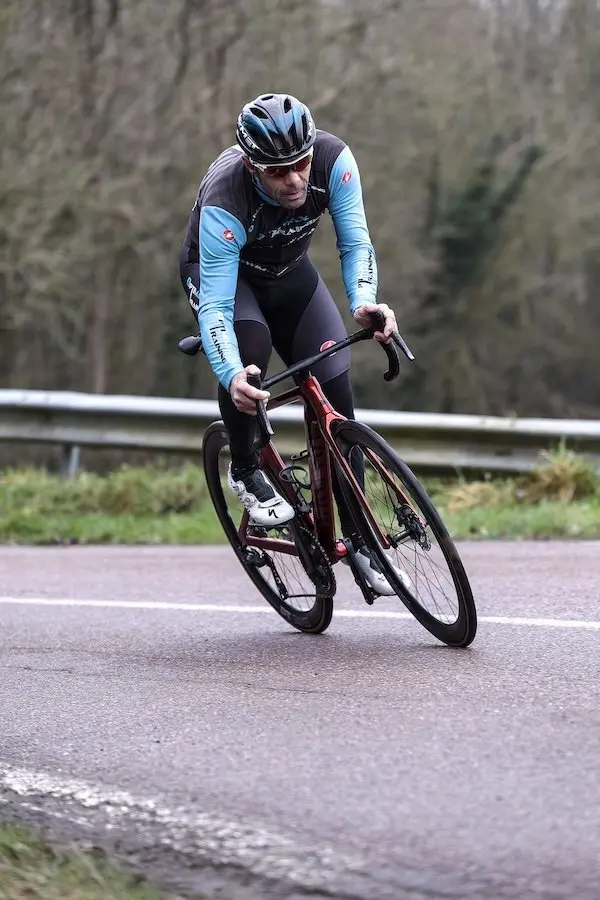
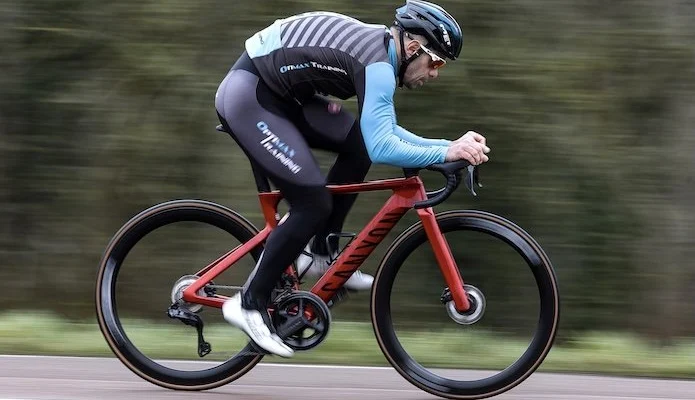
On flat terrain and in the wind, the Aeroad CF SLX 8 is truly efficient. Not only is it fast—as shown by the cross-referenced data from the power meter and speedometer—but it also demonstrates surprising stability in strong crosswinds. Given the size of the tubes and rims, you do, of course, often have to lean the bike slightly to counteract the wind’s effect.
The bike demonstrates surprising stability in strong crosswinds.
On the other hand, the steering is not very sensitive to gusts, and I never felt caught off guard by a loss of control over my line on open stretches. It’s only when descending at very high speeds—and always in strong wind conditions—that the bike becomes a bit trickier to handle. That said, this is a characteristic often shared by bikes equipped with high-profile rims.

A bike built for competition, yet accessible to everyone
The Aeroad CF SLX 8 is a race bike; its CFR version is used by professional teams such as Alpecin-Deceuninck and Movistar. However, it remains accessible to passionate amateurs thanks to its competitive price and a ride character that’s more versatile than it appears. In my opinion, this fourth generation offers much more than just a simple update. It’s a true evolution that pushes the boundaries of what an aerodynamic road bike can deliver.

Of course, I wouldn’t recommend it to those who only ride once a week. It isn’t quite as specialized as top-of-the-line bikes that cost twice as much—bikes to which it is half a kilo heavier and lacks a few minor feature details.
But for anyone who’s in good shape and looking for a modern, responsive bike—and who dreams of speed and performance—it’s close to being the ideal choice, especially when you consider its price, which is also extremely competitive compared to the competition.
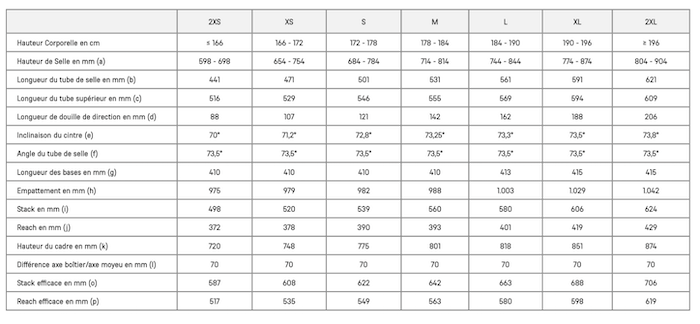
The CANYON AEROAD CF SLX 8 at a glance… Pros: efficiency, comfort, components, performance on flat terrain and climbs, handlebar adaptability Frame: Aeroad CF SLX Disc – Fork: Canyon FK0137 CF Disc – Handlebar/stem: Canyon Aerocockpit CP0048 – Brakes: Shimano Ultegra 160/140 mm – Front derailleur: Shimano Ultegra Di2 12-speed – Rear derailleur: Shimano Ultegra Di2 12-speed – Shifters: Shimano Ultegra Di2 12-speed – Cassette: Shimano Ultegra 12-speed 11-30 – Chain: Shimano Ultegra 12-speed – Crankset: Shimano Ultegra Di2 12-speed 52-36 (with 4iiii power meter) – Wheels: DT Swiss ARC 1400 50 mm – Tires: Continental GP 5000 S TR 700×25/28 – Saddle: Selle Italia SLR Boost Superflow Carbonio kit – Seatpost: Canyon SP0077 – Weight: 7.49 kg in size XS without pedals – Number of sizes: 7 – Price: €6,549
Contact: www.canyon.com |
Share the post "Test Ride of the New Canyon Aeroad CF SLX 8"