Share the post "Muscle Fibrosis: How Can We Understand and Treat It So We Can Keep Cycling and Running Pain-Free?"
Persistent pain, stiffness, loss of flexibility… Muscle fibrosis can be a real nightmare for cyclists and runners. Often misunderstood, it results from poor healing following an injury, trauma, or inflammation. And once it sets in, it can seriously compromise the fluidity of your pedaling or the lightness of your stride. So how can you recognize it? And more importantly, how can you treat it effectively to prevent it from becoming a barrier to performance?
By Jeff Tatard – Photos: Grok / DR
To answer these questions, we spoke with some experts: Mathieu Moretti, director of the KINESIS center in Méry-sur-Oise; Dr. Laurent Aumont, team doctor for PSG’s star players; and Kristel Beveraggi, an osteopath specializing in yoga at IMS Préfontaine in Saint-Germain-en-Laye. We also gathered testimonials from Ludovic, an amateur cyclist, and Timothée, a runner, who have had to cope with this condition.
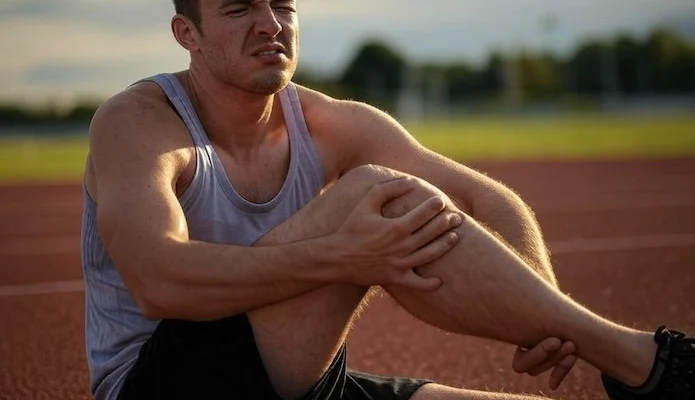
What is muscle fibrosis, and why does it affect athletes? Muscle fibrosis is the body’s reaction to an injury or inflammation. When a muscle is damaged, the body repairs the tissue by producing collagen. But sometimes, this process doesn’t proceed correctly and leads to the formation of a stiff, fibrous area, which limits the muscle’s elasticity and function.
“In athletes, fibrosis is often seen in the hamstrings, quadriceps, or Achilles tendon—particularly after a tear, improperly treated tendinitis, or overtraining,” explains Mathieu Moretti.
For cyclists, the muscles most commonly affected are the hamstrings and quadriceps, due to repetitive strain and microtrauma associated with prolonged exertion. For runners, the Achilles tendon and calves are high-risk areas, particularly after a tendinopathy that hasn’t healed properly.
How can you recognize muscle fibrosis?
Fibrosis manifests as muscle stiffness, a sensation of tightness, and sometimes deep pain. “The tricky part is that the pain isn’t necessarily constant; it can disappear when the muscle is warm and return when it’s cold,” explains Dr. Laurent Aumont.
Several methods exist to make an accurate diagnosis:
• Clinical examination, which involves palpation and stretching the muscle to detect a loss of elasticity.
• Ultrasound or MRI, which can precisely identify the fibrotic area.
“For an athlete, the biggest danger is ignoring the early signs and continuing to push through the pain, which can worsen the fibrosis and slow recovery,” warns Kristel Beveraggi.

Athlete Testimonials: When Fibrosis Becomes a Hindrance
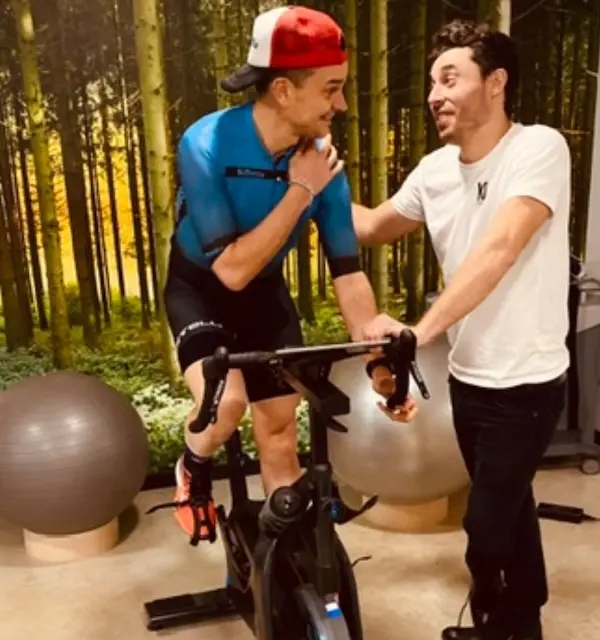
Ludovic, an amateur cyclist, discovered muscle fibrosis after a fall that left him with a deep bruise on his thigh:
"At first, I thought it was just temporary pain. But several weeks later, I still had this feeling of stiffness in my quadriceps, as if my muscle no longer wanted to function normally. I realized there was a problem when I could no longer generate power, especially when riding at 100% of my FTP with my hands on the lower part of the handlebars."
Timothée, a runner, was also sidelined by fibrosis in his Achilles tendon following improperly treated tendinitis:
“I had returned to running too soon after an injury. I started running again with a dull pain that would subside during exercise but would always return after training. Until one day, my tendon sort of ‘froze’—I couldn’t roll through my stride properly.”
How is muscle fibrosis treated?
Physical therapy techniques: an essential step
The treatment of fibrosis relies largely on functional rehabilitation and the stimulation of injured tissues. Among the most effective techniques are:
• Deep tissue massage and myofascial release: these help break up adhesions and restore mobility to the muscles.
• Progressive stretching: essential for restoring elasticity to the tissues.
• Targeted muscle strengthening: to prevent compensatory movements and rebalance the muscle chains.
• Shockwave therapy or LPG Cellu M6: used to stimulate muscle tissue regeneration.
• O2 laser: a photobiomodulation technique that accelerates cell regeneration and improves blood flow to scar tissue.
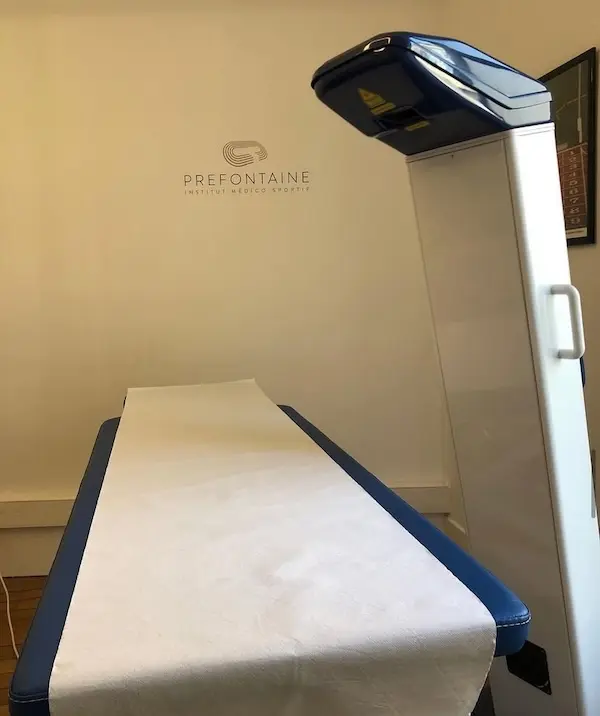
"The goal is to restore blood flow to the affected area and improve muscle flexibility. But keep in mind, this takes patience—you can’t ‘break down’ fibrosis in just a few sessions," insists Mathieu Moretti.
Osteopathy and Yoga: Allies for Optimal Recovery
Osteopathy and yoga can also play a key role in recovery. "Osteopathy helps release blockages and restore joint and tissue mobility," explains Kristel Beveraggi.
As for yoga, it can help improve flexibility and reduce chronic muscle tension. “Deep-stretching poses, such as those in Yin Yoga, are particularly effective for working on the fascia and reducing the stiffness of scar tissue,” adds the osteopath.
Prevention: Preventing Fibrosis from Returning
Once fibrosis has been treated, the goal is to prevent it from recurring. To do this:
• Avoid returning to activity too quickly after an injury: a weakened muscle is more vulnerable.
• Work on mobility and stretching regularly: especially after exercise.
• Practice active recovery: massage, cryotherapy, and self-massage with a foam roller.
• Be alert to early signs: persistent discomfort is a warning sign.
“The best defense against fibrosis is a comprehensive approach: muscle strengthening, mobility exercises, and well-managed recovery,” concludes Dr. Laurent Aumont.

Conclusion: Regaining Control Over Your Body
Muscle fibrosis isn’t inevitable, but it does require serious and appropriate treatment. If ignored, it can become a real obstacle to performance and the enjoyment of cycling or running.
Thanks to advice from specialists and feedback from athletes who have experienced it, you now have everything you need to better understand, prevent, and treat it. So, are you ready to hit the road or trails pain-free?
Share the post "Muscle Fibrosis: How Can We Understand and Treat It So We Can Keep Cycling and Running Pain-Free?"