Share the post "Fixed gear in winter: a proven method"
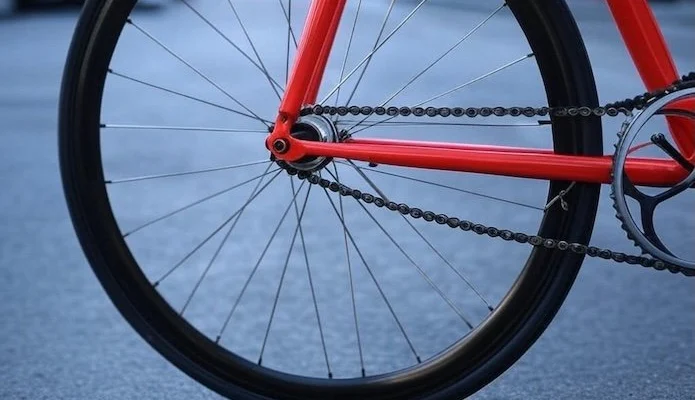
Winter is often perceived as a break in the cycling season, but for some, it’s a strategic period of creativity, where one can think outside the box to refine their technique. The most inspired cyclists seize this opportunity to explore less conventional methods that bring real benefits to the following season. Among these approaches, the use of a fixed-gear bike stands out. This derailleur-less bike, with a single gear, allows for deeper work on strength, cadence, and coordination—essential qualities for competitive performance. It’s a practice that has endured over the years and been adopted by cyclists like Lance Armstrong in the 2000s, proving its effectiveness. We shed some light on it…
By Jeff Tatard – Photos: depositphotos.com / X – Grok / DR
One of the main advantages of the fixed-gear bike in winter lies in its ability to engage the body differently. Indeed, riding without the possibility of releasing effort allows for continuous tension on the muscles. This type of constant pedaling strengthens the legs and improves coordination, especially during high-intensity phases.
Dany, current Île-de-France elite champion, regularly reflects on the benefits he gains from using a fixed-gear bike during winter. “When I ride fixed-gear, every outing becomes a comprehensive workout. The simple and direct mechanics, where every pedal stroke counts, allows me to optimally strengthen my power and velocity. It’s an excellent way to work on strength in difficult conditions. In winter, there’s nothing better for maintaining a high level of performance.”
A historical practice with lasting benefits
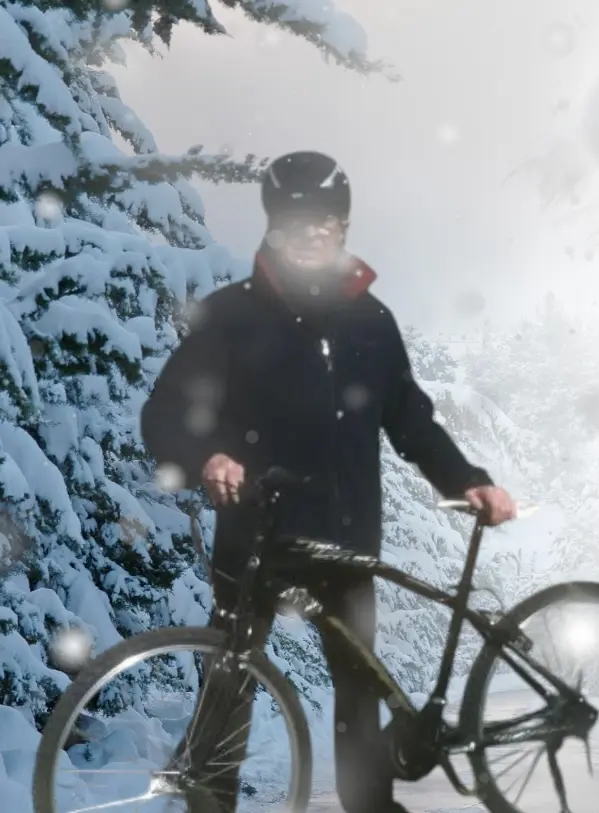
It’s no coincidence that the fixed-gear bike has endured through generations. Riton Tatard, an octogenarian retired cyclist, remembers his systematic use of the fixed-gear bike during winter in the 70s-80s. “With my teammates, every winter, we’d get out our fixed-gear bikes. That was the method we’d learned from our mentor, Paul Monin. We knew that this practice allowed us to stay in optimal physical shape, even during the cold season. It forged us mentally and physically.”
At the time, the team’s cyclists followed the recommendations of Paul Monin, father of Jean-Michel Monin, who insisted on the importance of using the fixed-gear bike as a winter training tool. “The fixed-gear bike forced us to pedal relentlessly, and that’s what made all the difference. Even on difficult terrain, there was no room for slack. It strengthened our endurance and coordination.”
Concrete benefits: strength and coordination work
Working on a fixed-gear bike allows the body to be engaged in a unique way. The cyclist is forced to maintain a high cadence while controlling a constant effort. This type of work is extremely beneficial for:
• Developing muscular power: the physical demand is more intense because there is no release between pedal strokes. This makes every ride a true strength workout.
• Improving coordination and pedal stroke: by pedaling continuously, it becomes easier to perfect one’s pedal stroke, improve the fluidity of the movement, and work on coordination between the legs.
• Strengthening cardiovascular capacity: the fixed-gear bike requires maintaining prolonged effort, which leads to an improvement in cardiovascular endurance, essential for spring competitions.
Fixed-gear sessions: how to integrate them into your training?
If you want to integrate fixed-gear sessions into your winter training, here are some practical tips:
• Start gradually: depending on your level, start with one-hour rides and gradually increase the duration. You can also adjust the difficulty by changing the gear ratio.
• Aim for regular sessions: it is advisable to practice fixed-gear two to three times a week, ensuring good recovery between sessions to avoid overtraining.
• Focus on variety: alternate between fixed-gear sessions on flat terrain and those on hilly terrain to work on both strength and velocity.
The fixed-gear bike: a practical and effective solution for winter
The fixed-gear bike is a powerful training tool for cyclists looking to maintain their fitness during winter. It not only develops strength, coordination, and cadence, but also strengthens the mental aspect of training. As Dany says: “In winter, there’s nothing better for staying active and progressive. The fixed-gear bike forces us to never give up.”
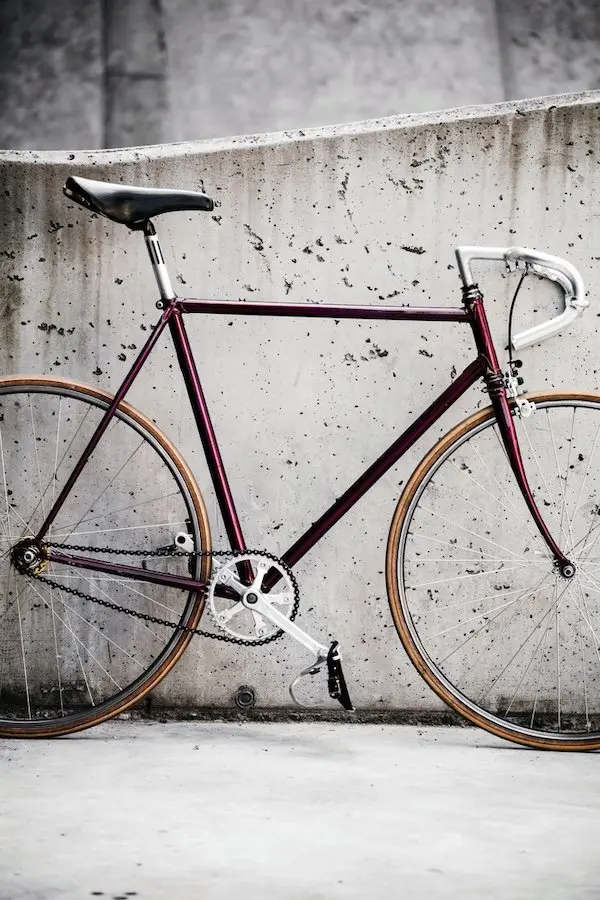
In addition to its technical benefits, the fixed-gear bike offers a significant economic advantage. It saves on maintenance and repairs, as it uses fewer peripheral drivetrain components. The bike thus becomes a more durable investment, requiring less maintenance than racing bikes. Riton Tatard, a cycling veteran, testifies: “I kept my fixed-gear bike for over 10 years without spending anything, just recovery.” Like the cyclists of his generation, who made fixed-gear a winter tradition, it allows for keeping simple and robust equipment, without the need for frequent replacement. In winter, it’s an opportunity to focus on the essentials, without worrying about rapid equipment wear, while effectively preparing for the upcoming season.
To conclude
The fixed-gear bike is not just a bike; it’s a true mental and physical coach. It pushes you to stay active, face difficulty, and strengthen your body and mind, even when the wind isn’t on your side. Whether you’re an elite or amateur cyclist, integrating the fixed-gear bike into your winter program will help you maintain your fitness and prepare for the upcoming season. And between us, after tackling the fixed-gear, facing a capricious wind or a slightly steep climb on the road will seem almost… easy!
Share the post "Fixed gear in winter: a proven method"