Share the post "Cycling, an asset for your immune system? Not always…"
For the most dedicated, cycling is not just a sport, but a true lifestyle combining discipline, effort, and frequent contact with nature. This physical activity can also play a key role in strengthening your immune system. Regular pedaling can boost your natural defenses, but it can also present risks in this area in the case of overtraining. Here, we explain why and how to find the right balance.
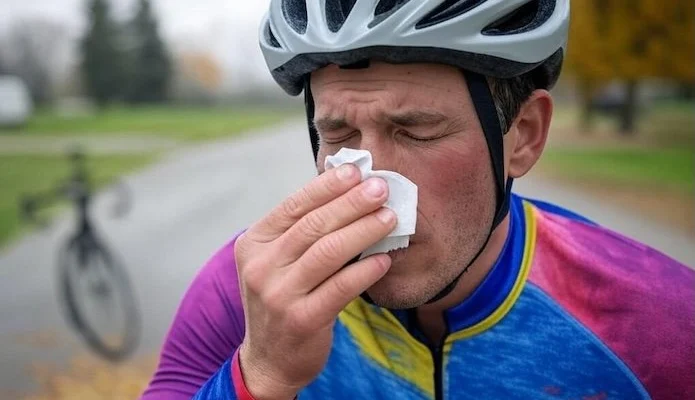
By Isidore Aramis – Image: x.com/grok
The immune system acts as a protective barrier against infections and diseases. When you engage in physical activity like cycling, the body adapts to strengthen this natural defense. However, the intensity and duration of exercise are determining factors: moderate practice can improve the immune response, while excessive effort can, on the contrary, weaken defenses, making the body more vulnerable.
Regular exercise stimulates the circulation of immune cells, optimizing their ability to detect and fight pathogens. Pedaling outdoors also allows you to enjoy fresh air and sunshine, thus promoting the synthesis of vitamin D, a key nutrient for an effective immune response.
The benefits of cycling for immunity
Cycling is a sport that improves cardiovascular health, increases tissue oxygenation, and strengthens vital organs. Regular practice increases VO2 max (the maximum amount of oxygen the body can use per unit of time), which itself is an excellent indicator of your Fitness Age (physiological age), which is closely linked to your healthy life expectancy. In other words, the fitter you are athletically through regular training, the more likely you are to live a long and healthy life. In terms of response to diseases, an efficient circulatory system allows immune cells to reach areas of the body requiring increased protection against infections more quickly.
But the benefits of cycling go far beyond the physical. One of the notable effects is its ability to reduce stress, one of the most formidable enemies of the immune system. During exertion, the body releases endorphins, which promote better emotional balance and reduce cortisol levels, a hormone linked to stress and the weakening of immune defenses. For those who commute to work daily by bike rather than using their car or public transport, for example, a decrease in stress is observed, linked both to moderate physical effort and better management of travel times.
The danger of overtraining
However, excessive cycling can have the opposite effect and harm your immune system. This phenomenon, known as exercise-induced immunosuppression, occurs when the body is subjected to overly intense efforts without adequate recovery. The body then enters a state of chronic stress, which decreases the production and effectiveness of immune cells.
Signs of overtraining are marked by persistent fatigue, recurrent respiratory infections, sleep disturbances, and a decrease in physical performance. It is therefore crucial to listen to your body and find a balance between training sessions and rest periods.
Nutrition and supplementation
Adapted nutrition is essential to maintain a strong immune system. For cyclists, the balance between carbohydrates, proteins, and healthy fats is paramount. Carbohydrates provide the energy needed for effort, while proteins support muscle recovery and tissue repair.
Certain micronutrients, such as vitamin C, zinc, and iron, are also essential for good immune function. Citrus fruits, nuts, spinach, and legumes are excellent sources of these nutrients. During intense training periods, supplementation can be beneficial, but it should always be considered under the supervision of a healthcare professional.
Rest: essential for immune recovery
Rest is just as important as exercise. It is during sleep that the body regenerates, repairs damaged tissues, and strengthens its immune defenses. For cyclists, it is recommended to sleep between 7 and 9 hours per night, especially after intense sessions or long rides.
Active rest, which consists of gentle bike rides, light activities like walking or stretching, is also an excellent way to promote recovery without overloading the body.
In short, cycling is much more than a simple means of transport or a sport: it is a true ally for your health and your immune system. Provided you maintain a good balance between physical activity, nutrition, recovery, and rest, you can strengthen your natural defenses while fully enjoying the benefits of cycling. But listening to your body is essential to preserve your performance and avoid the risks of injuries or illnesses.
Practical tips to strengthen your immune system
|
Share the post "Cycling, an asset for your immune system? Not always…"