Share the post "Review of the Cannondale Optimo 1"
During the few years when aluminum reigned supreme in the production of racing bikes, Cannondale established itself as one of the most innovative brands in the field with lightweight, high-performance frames. Nearly 25 years later, it still offers aluminium-framed bikes in its lineup, including the Caad Optimo, featuring cable-shifted gears and rim brakes for a delightfully retro look and performance. But its price should also appeal to anyone looking for a reliable and practical bike for Sunday rides. By Guillaume Judas – Photos: ©Vincent Lyky

I remember testing one of the first performance-oriented road bikes equipped with disc brakes almost 10 years ago. It was a Cannondale, which at the time was a pioneer of a technology that would evolve significantly in the years that followed, eventually becoming a standard feature today. Back then, I was far from convinced by disc brakes, but I’d had the pleasure of riding a Caad 12—Cannondale’s top-of-the-line aluminum frame at the time—which was available with both rim brakes and disc brakes.
Today the brand offers only disc brakes on its high-end carbon models—as do most of its competitors. But that doesn’t mean it’s abandoning rim brakes in its entry-level lineup, as evidenced by the Caad Optimo, an aluminum bike designed to make cycling more accessible to a wide range of potential customers. The Caad Optimo, featuring a 100% carbon fork, is available in four versions, ranging from €999 to €1,499 for our test model, with Shimano 8-, 9-, 10-, and 11-speed drivetrains, aluminum wheels and components, and a sleek design reminiscent of racing bikes from the early 2000s.
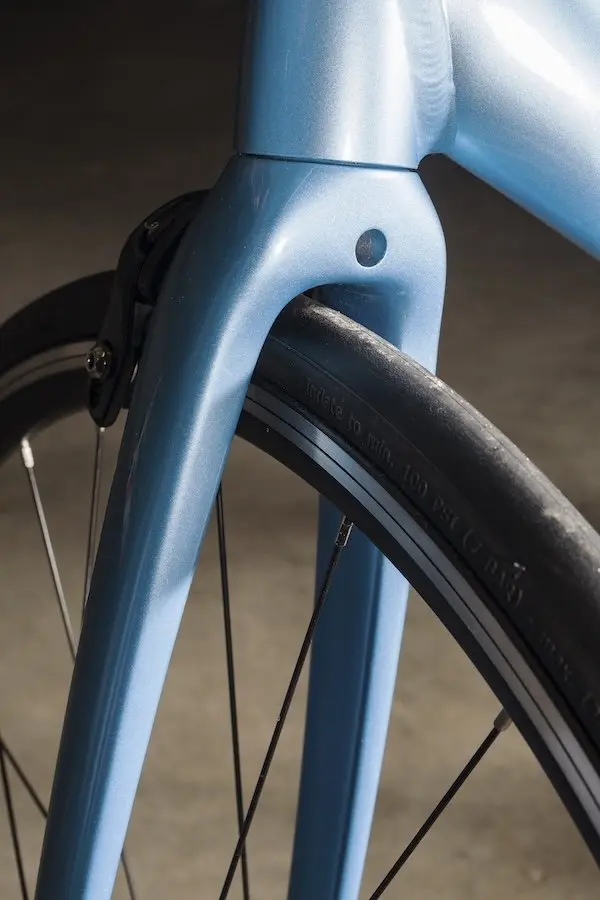
In fact, for those who criticize the ever-rising prices in the cycling world, a quick look back at manufacturers’ catalogs shows that, for comparable performance, the Optimo 1—weighing just 9 kg—is cheaper than an equivalent model from 2002. Back then, it cost about €1,700 to find a bike with equivalent performance, which amounts to about €2,400 today when accounting for inflation. And a bike from the early 2000s didn’t even have 11 speeds yet—a technology that didn’t appear until the end of that decade.
Finally, there are carbon bikes with disc brakes on the market today for just under €2,000, but they aren’t any lighter than the Cannondale Optimo 1. So, with a higher price, equivalent weight, and more complicated maintenance, they are not, in our view, better deals than this famous aluminum Cannondale, which is also very pleasant to ride on the road.
Mastering Aluminum
The SmartForm C2 aluminium frame uses hydroformed tubes: This is a deformation-based manufacturing process that involves injecting high-pressure fluid into the tube to create varying shapes and wall thicknesses, thereby optimizing the structure’s mechanical properties. This allows the desired stiffness to be combined with high strength and moderate weight. The tubes are then joined with smooth welds to preserve the quality of the material.
The frame’s weight is listed at just over 1,000 g, which is only slightly heavier than most carbon frames currently on the market.
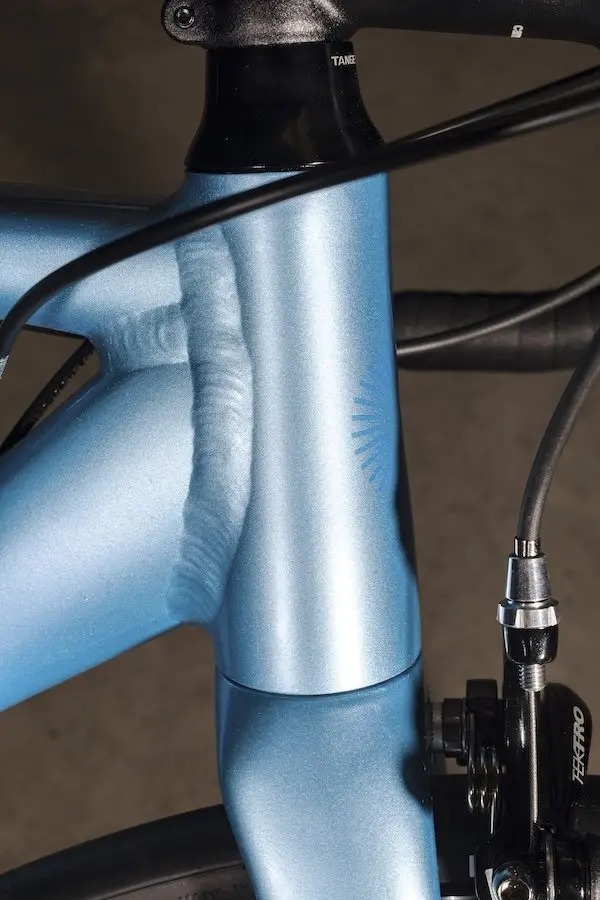
The rear triangle features Cannondale’s proprietary SAVE design, which helps dissipate vibrations and improve comfort. The shape of the tubes, as well as their diameter and wall thickness, are engineered to act somewhat like micro-suspensions.
And since the Caad Optimo is designed to be a versatile bike, it comes equipped with mounts for a rack and/or fenders in case you want to use it for daily commuting or multi-day rides.
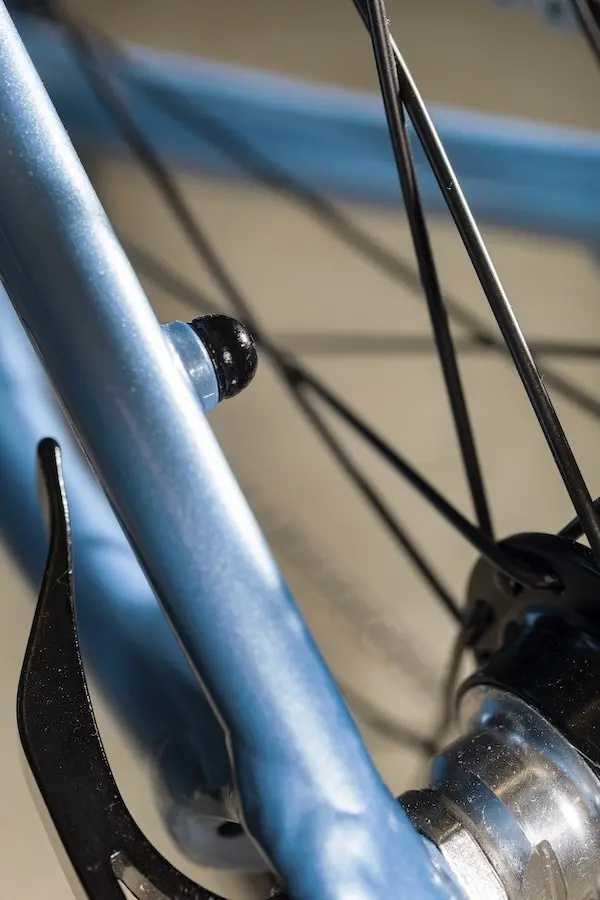
Cannondale isn’t the only major brand still offering an aluminum frame. Still, it’s been a few years since I’ve had the chance to ride a bike made of this material. I admit I was surprised by how lively the bike felt—especially considering its weight. I was expecting a very stiff—if not rigid—bike, but that’s not actually the case. When riding out of the saddle, the bike feels slightly springy, with the bottom bracket giving a little with each pedal stroke, smoothing out the bumps and giving a bit of energy back, almost like a spring.
It’s not exactly efficient in absolute terms, but it’s incredibly comfortable at the end of a ride or at the top of a climb because this characteristic prevents you from feeling the bike’s stiffness, as you might with some carbon frames. The Caad Optimo is an easy bike to ride, no matter the conditions.
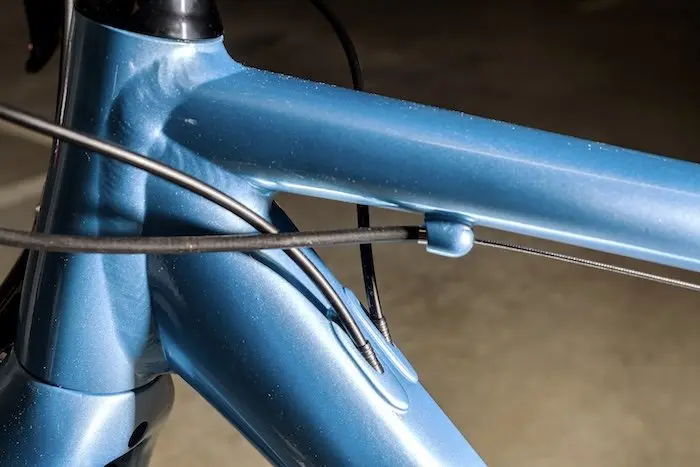
Its handling is light and unrestricted, lively, agile, and forgiving—and above all, a pleasure to ride. Thanks to the 100% carbon frame and fork, the bike’s steering is very responsive, ultra-precise, and direct when accelerating out of the saddle or tackling steep climbs. Yet the bike doesn’t lack stability at high speeds, and it always feels reassuring on fast, exhilarating descents.
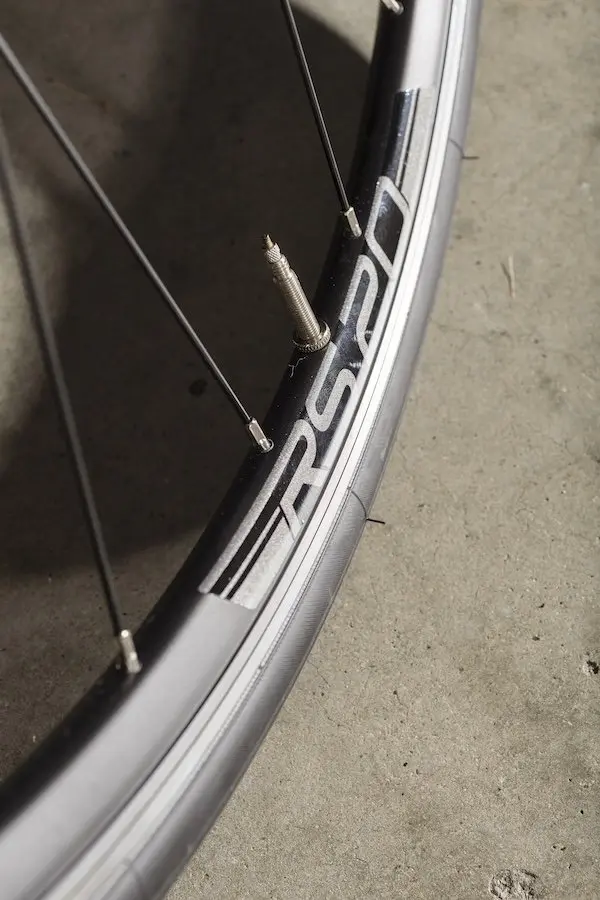
The low-profile aluminum wheelset also contributes to this sense of ease. They offer virtually no wind resistance and are extremely responsive during direction changes. These are reliable and versatile entry-level wheels that, ultimately, are much less demanding in terms of control and handling at low speeds than the high-profile carbon wheels found on most higher-end bikes.
Good value for the price
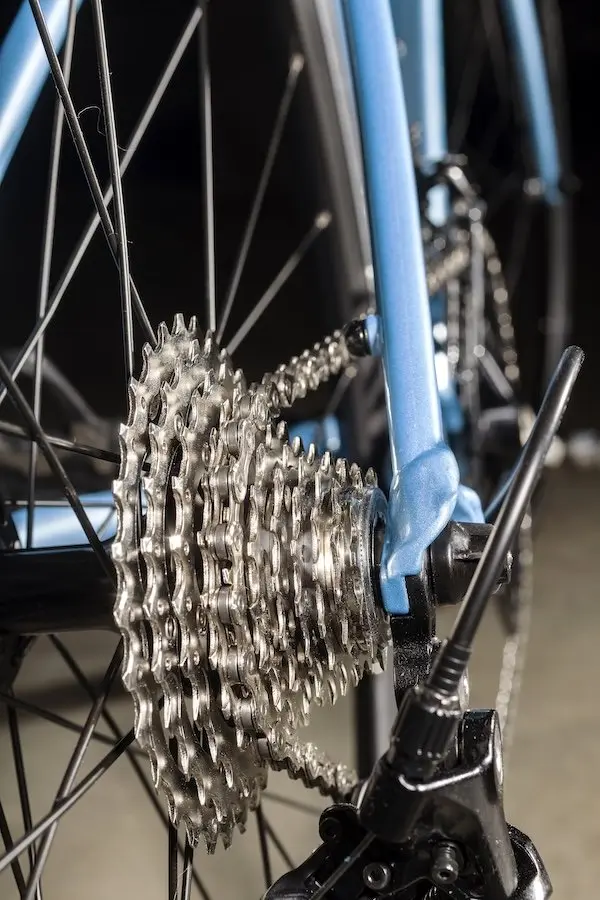
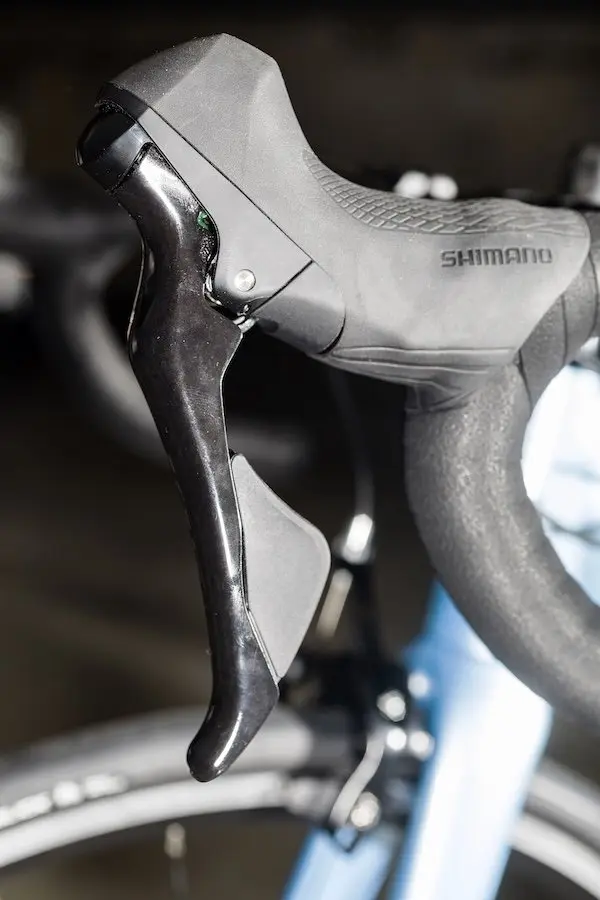
Of course, rim brakes don’t measure up to the modern disc brakes found on most bikes on the market today. In wet conditions, you’ll need to anticipate your braking, especially since the Tektro R741 calipers lack power. The tires fitted to the bike are 700×25 Vittoria Rubino Pros, a size that’s becoming increasingly rare and was chosen here due to the limited space between the calipers. These are durable tires with good rolling performance, but they’re very tricky to handle in the rain. Watch out for slips! I almost lost control twice on my first ride with the Caad Optimo. 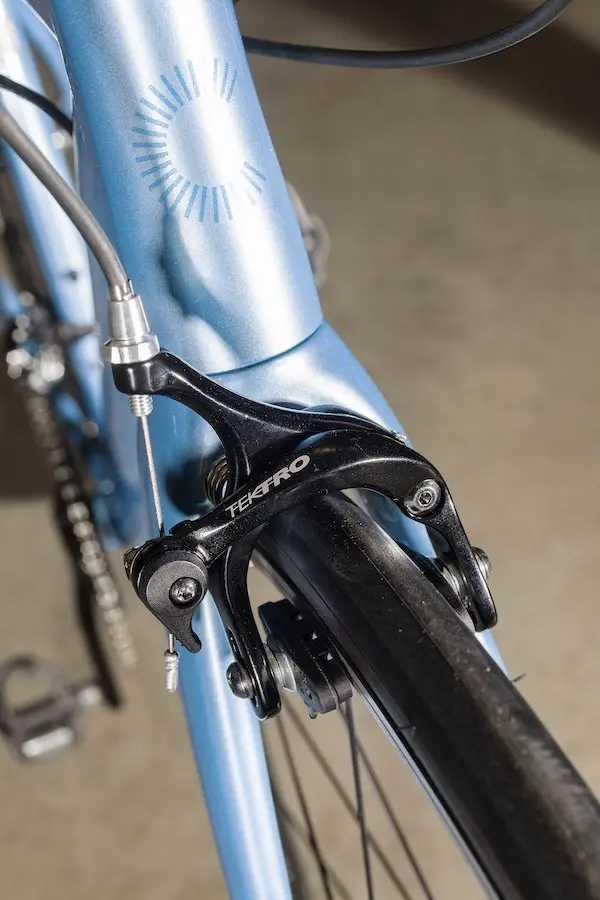 That said, braking is always controllable thanks to the comfortable Shimano 105 levers and their effective grip. They’re connected to smooth and precise 105 cable-actuated derailleurs, whether shifting gears on the 11-speed cassette or the aluminum FSA Gossamer crankset.
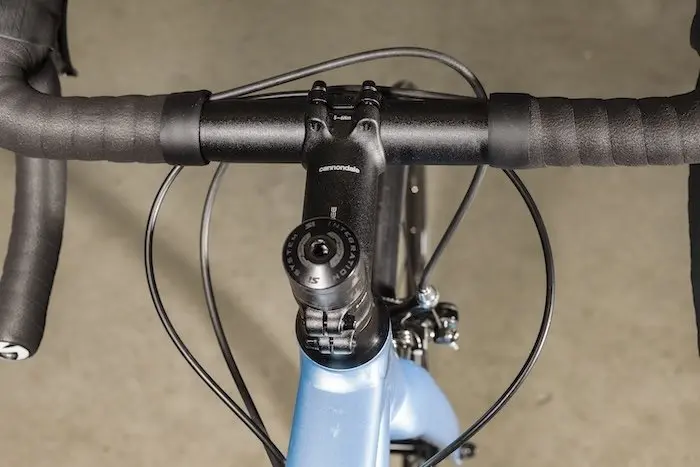
The handlebar and seatpost are Cannondale-branded (made of 6061 aluminum) and require no further comment. As for the saddle, also from Cannondale, it’s a bit too soft for athletic use but stands out for its comfort over long distances.
The spec is well chosen to keep the bike affordable while delivering capable performance, so long as you don’t push it too hard. Compared to the Caad Optimo 2, 3, and 4, the main difference lies in the number of gears (10, 9, and 8) and slightly heavier components.
A great start
Ultimately, it’s perhaps only in terms of comfort that the Caad Optimo lags slightly behind other carbon bikes in the same category. It’s not as unforgiving as a time-trial bike on bumpy roads—far from it—but the frame does transmit a bit more vibration than a monocoque carbon model.
It’s mainly the tire width required here by the rim brakes—which contrasts with the 28- or 30-sized tires commonly found on most recent bikes and allows for lower inflation pressure—that makes the difference.
Otherwise, I’d expected to be riding a clunky bike that would struggle to hold the pace and accelerate on the demanding roads with frequent changes of rhythm in my Parisian suburb. I was wrong. The Cannondale Caad Optimo is anything but sluggish, and even its slightly heavy wheels felt incredibly responsive and agile to me.
Of course, when pushing hard, the bike offers less efficiency overall than a higher-end model, whether on climbs or on flat terrain while riding fast in a high gear. But that’s not what it’s designed for. It’s an entry-level bike that’s easy to ride and handle, and it doesn’t skimp on the essentials that casual riders or first-time buyers are looking for. It’s a joy to ride, and that’s why I think it’s a great bike.

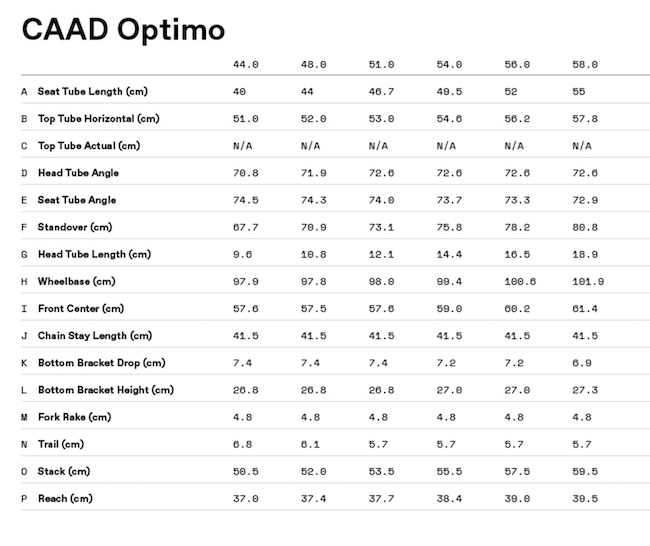
The CANNONDALE CAAD OPTIMO 1 at a glance… Pros: responsiveness, handling, simple design and maintenance, price-to-features ratio Cons: tires lack traction on wet roads, brakes lack power Frame: SmartForm C2 Alloy – Fork: CAAD Optimo Full Carbon – Handlebar: Cannondale 3, 6061 Alloy – Stem: Cannondale 3, 6061 Alloy – Brakes: Tektro R741, dual-pivot calipers – Rear Derailleur: Shimano 105 GS 11-speed – Front derailleur: Shimano 105 11-speed – Shifters: Shimano 105 11-speed – Cassette: Shimano 105 11-30 Chain: KMC X11 – Crankset: FSA Gossamer Alloy, 50-34 – Wheelset: Formula/RS 2.0 – Tires: Vittoria Zaffiro Pro Slick, 700x25c – Saddle: Cannondale Stage CX – Seatpost: Cannondale 3, 6061 Alloy – Weight: 9.05 kg without pedals in size 51 – Sizes available: 5 – Price: €1,499 – Contact: cannondale.com |
Share the post "Review of the Cannondale Optimo 1"