Share the post "Why avoid anti-inflammatories for a fracture?"
Getting injured is part of every athlete’s daily life, and these moments are often an opportunity to rethink our practices, better understand our bodies, and progress differently. More than the final result or performance, it is this journey, with its obstacles and learnings, that shapes an athlete. And it is in this spirit that we approach the case of Anouar, a passionate reader of 3bikes.fr, and share the valuable expertise of Dr. Laurent Aumont on his case.
By Jeff Tatard – Photos: All rights reserved
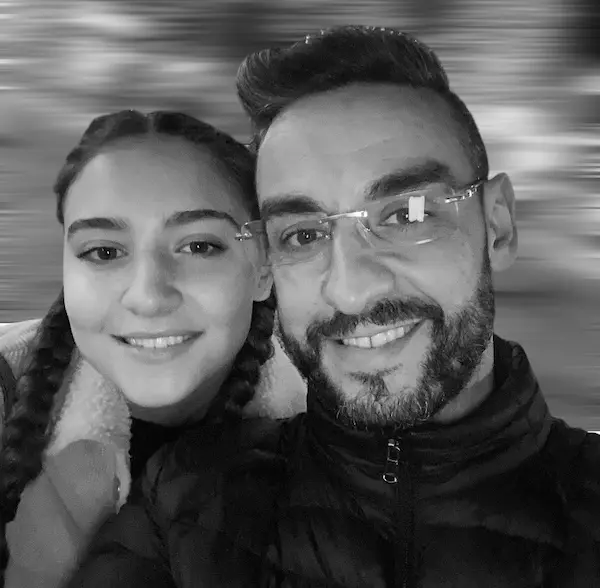
Anouar’s story and his daughter’s foresight
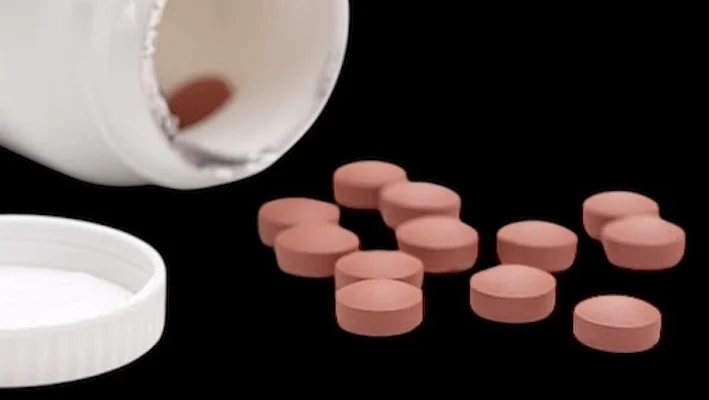
Anouar, facing a stress fracture, was not healing as he had hoped. Thinking he was doing the right thing, he had gotten into the habit of taking an ibuprofen tablet every day to reduce inflammation and pain. However, weeks passed without noticeable improvement.
This is where his daughter, a 3rd-year physiotherapy student, intervened. Observing the situation, she made a decisive remark: “Dad, you’re making a mistake. Anti-inflammatories can slow down bone healing.” This advice, both simple and enlightened, reflects a true talent for observation and a good understanding of the human body’s repair mechanisms, even at this stage of her training.
Intrigued, Anouar turned to us. To delve deeper into the question and provide a precise answer, we sought the opinion of Dr. Laurent Aumont, a renowned sports physician.
The expertise of Dr. Laurent Aumont
Dr. Laurent Aumont is a respected figure in the medical field. With a career dedicated to high-level athletes, he notably accompanied the PSG stars for 10 seasons, up to the Champions League final in 2020 against Bayern. His experience in treating complex injuries and his keen understanding of athletes’ needs make him an essential reference.
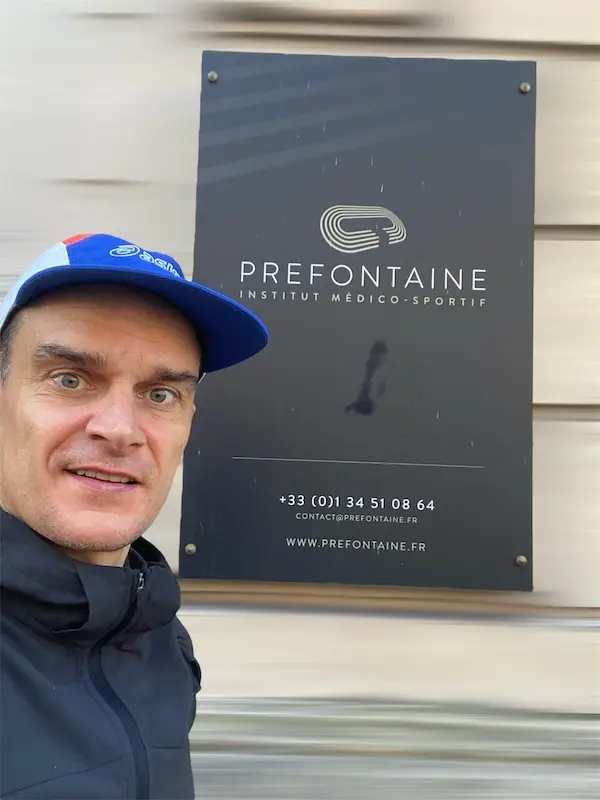
During our interview, he confirmed Anouar’s daughter’s analysis: “Non-steroidal anti-inflammatory drugs (NSAIDs), such as ibuprofen, can harm fracture repair, especially stress fractures.”
He added: “When a bone is damaged, inflammation is a natural and essential response. It mobilizes the cells needed for repair and triggers the formation of new bone cells. Blocking this inflammation with NSAIDs slows down this process and can even compromise bone consolidation.”
This problem, he emphasizes, is common among athletes who seek to mask pain to continue training. But, according to him, “going too fast can have long-term consequences: a poorly consolidated bone is more fragile and prone to relapses.”
An opportunity to learn and evolve
This situation is more than just a medical reminder: it’s a lesson on the holistic approach to performance. Pain, however uncomfortable, is not always an enemy. It is often a valuable indication that the body is repairing itself or needs rest.
Rather than trying to avoid these difficult moments, it is important to accept them as an opportunity to reinvent oneself and learn more. The journey, with its challenges and self-questioning, is often more enriching than the result itself. It is also in this state of mind that we work at 3bikes: to support athletes in their progress, with patience and reflection.
Dr. Aumont’s recommendations
To manage a stress fracture, Dr. Aumont advises:
1. Adapted rest: reduce stress without total immobilization to avoid muscle wasting.
2. A balanced diet: rich in calcium, vitamin D, and protein to support bone reconstruction.
3. Adapted analgesics: such as paracetamol, which does not interfere with natural inflammation.
4. Physiotherapy: gentle exercises to maintain blood circulation and promote healing.
A lesson for all athletes
Anouar’s story and Dr. Aumont’s analysis remind us that sport is as much about self-discovery as it is about the pursuit of performance. Sometimes, what seems like a shortcut, such as masking pain with medication, can turn out to be a long-term hindrance.
So, if you are facing an injury, take the time to listen to your body, consult competent experts, and respect the natural healing process. The key, often, is not to rush back to effort, but to build a solid foundation to come back stronger.
At 3bikes, we believe that every difficulty is an opportunity to progress differently. And as this story shows, sometimes, a simple, well-intentioned piece of advice – whether from a loved one or an expert – can make all the difference.
Share the post "Why avoid anti-inflammatories for a fracture?"