Share the post "Long-Term Test of the New Lapierre Xelius DRS 10.0"
With its new Xelius—which replaces both the previous Xelius (a versatile/climbing bike) and the Aircode (an aero bike)—Lapierre is setting its sights high. To succeed in this endeavor, the brand has poured all its expertise and three years of work into developing a frame designed for performance, with the goal of returning to the highest level of world cycling, while also allowing amateur cyclists to enjoy themselves on a frame that’s intentionally versatile, responsive, and comfortable. Did it succeed? That’s the question this article will attempt to answer after covering nearly 1,000 km. Text: Olivier Dulaurent – Photos: Lapierre, ©UgoRichard, @Sergio Villalba, 3bikes.fr
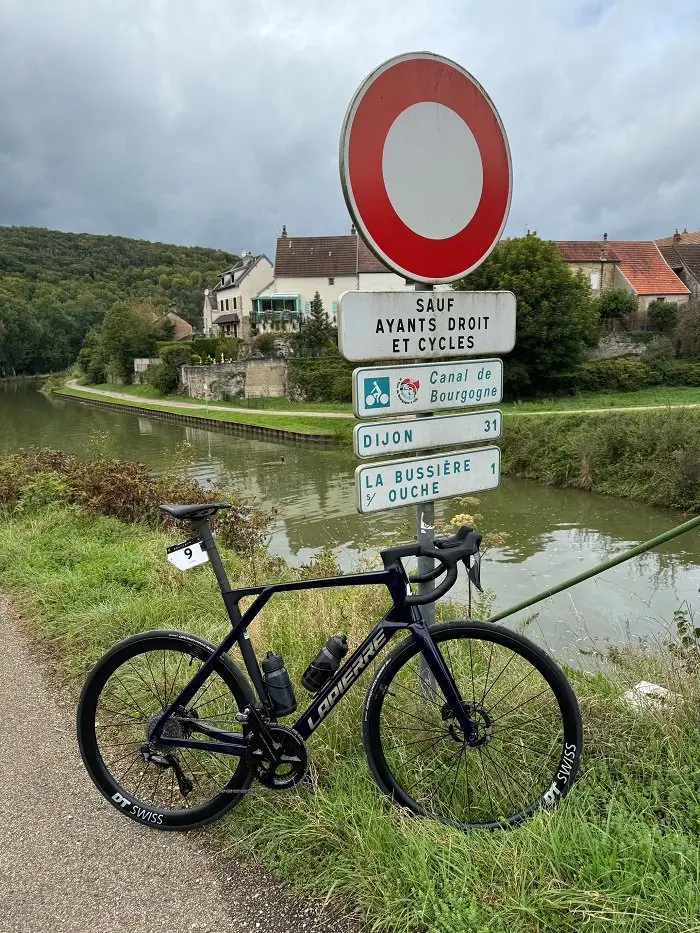
It didn’t escape anyone’s notice that after a long partnership between the team originally known as La Française des Jeux (now Groupama – FDJ) and Lapierre, the partnership came to an end in late 2023, even though the Dijon-based brand continued to outfit the women’s FDJ-Suez team in 2024.
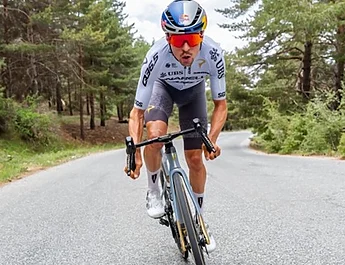
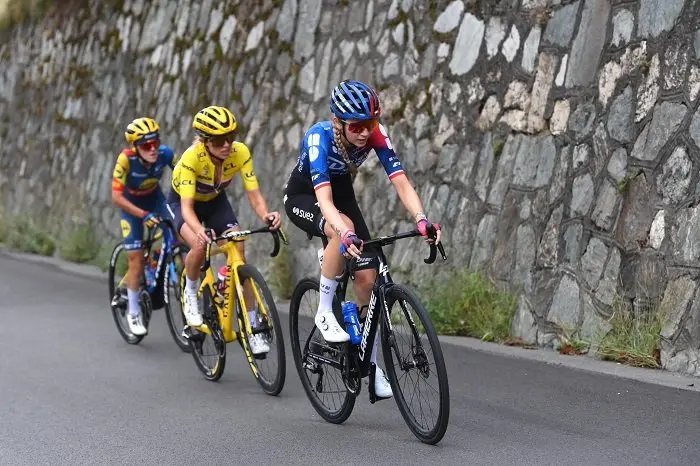 But after a period that might have seemed like a transitional year—we’re talking about the 2024 season—it was indeed an all-new Xelius model that was unveiled, designed almost entirely from scratch. Lapierre emphasizes this point, as well as the three years of development that have already led to Cassandre Beaugrand’s Olympic gold medal. In late July in Paris, the triathlete had the new Xelius DRS shine on the top step of the podium, but it took an expert eye to spot the new version beneath its rather flashy paint job.
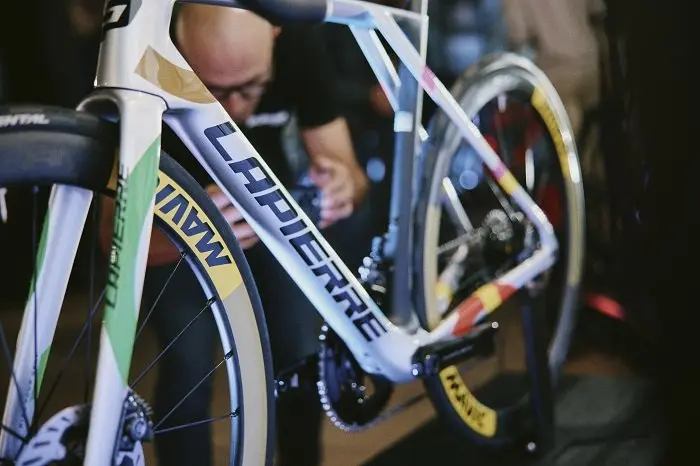
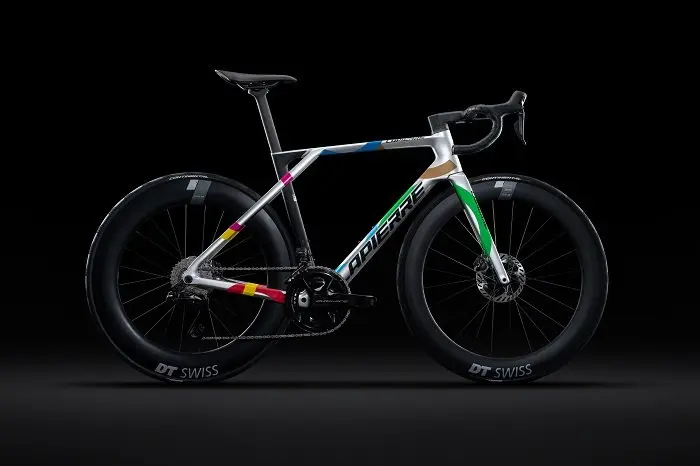
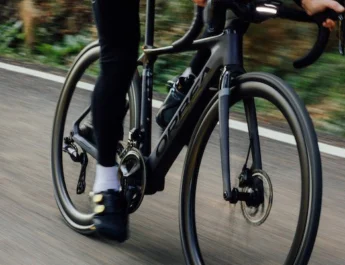
The development of the Xelius DRS spanned three years of work. For the brand, it was important to stay true to the bike’s DNA—particularly the characteristics that defined the previous frame. Particular attention was paid to aerodynamics in order to go even further than the Aircode frame without compromising what made the previous Xelius so special.
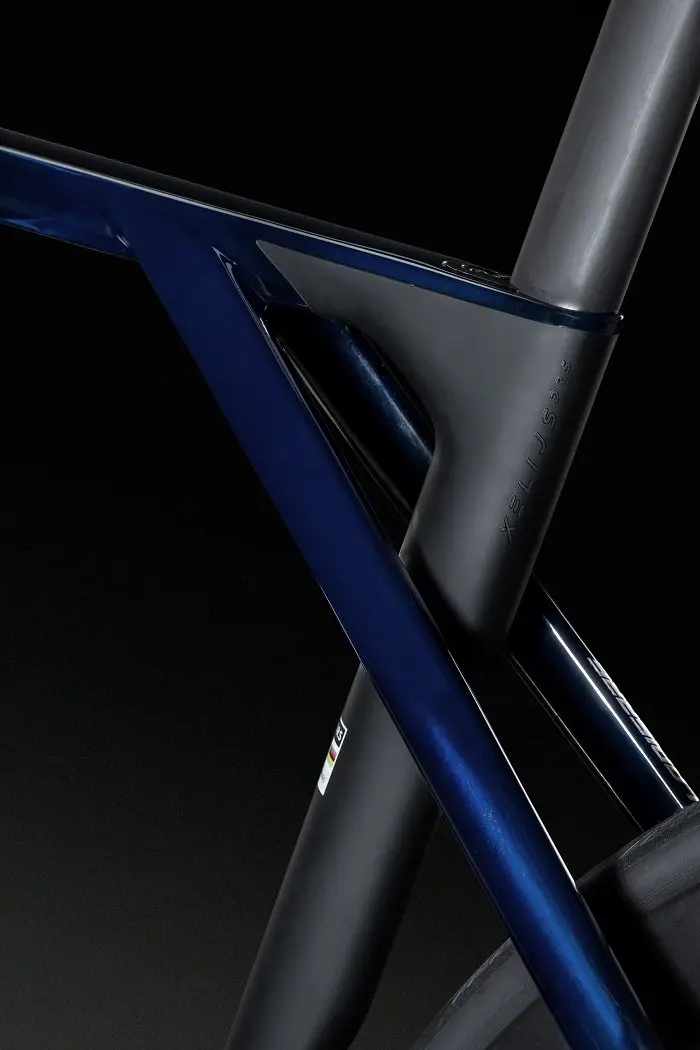
As a result, the frame was not designed to be extremely stiff. As the brand explains, “We could have gone all the way to 100 on a scale of up to 100—that is, a completely inflexible frame. But maximum stiffness doesn’t necessarily mean maximum performance, even for a sprinter of Arnaud Démare’s caliber.” The aim here is indeed a relative elastic effect that supports the rider during their effort rather than requiring them to expend extra energy to move forward.
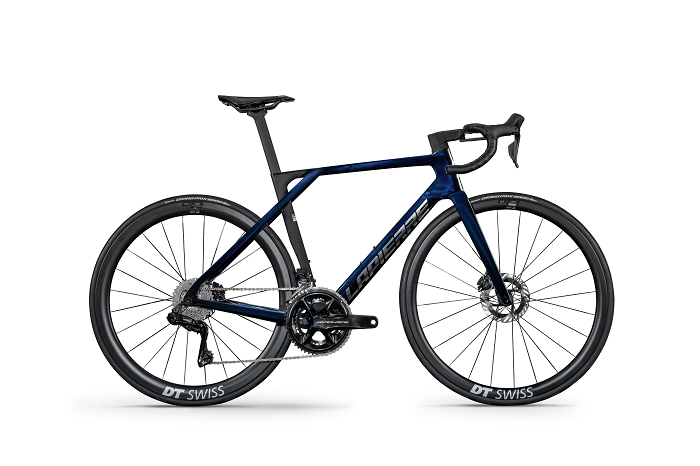
Well aware that performance depends in large part on aerodynamics, the design work was carried out with the goal of preserving the bike’s characteristics in line with the Xelius line (versatile handling and shock absorption provided by the section between the top of the seat stays and the top tube, known as the 3D Tubular)Lapierre focused in particular on the area at the bottom of the head tube, featuring a horizontal section that appears to bridge the down tube and the fork. According to the manufacturer, the overall aerodynamic redesign has resulted in a 15% performance increase compared to the Xelius SL3 and Aircode DRS, translating to time savings of 7 to 10 seconds per 10 km (depending on riding speed).
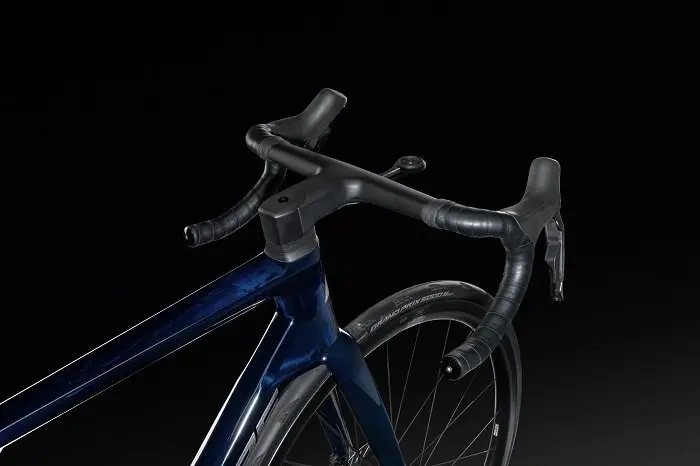
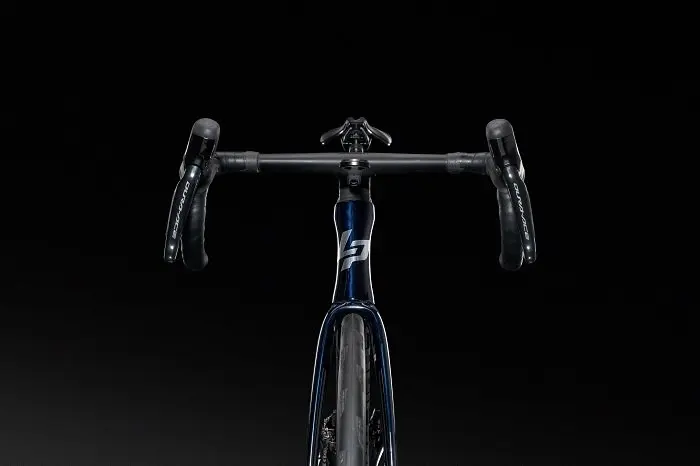
Two frame construction levels are available: the UD SLI series and the UD SLI Team series, which differ in the percentage of high-modulus fibres and the balance between stiffness and responsiveness.
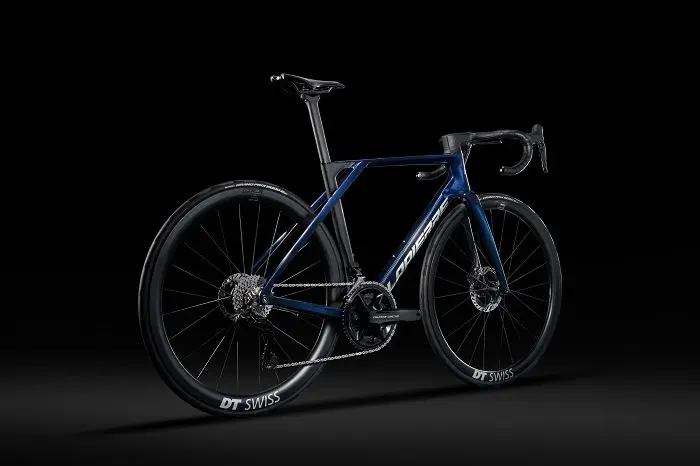
On the weight front—an area that has seen significant R&D—it’s worth noting that the Xelius DRS frame is roughly 50 g heavier than the outgoing Xelius SL 3, tipping the scales at 790 g for the Team version and 908 g for the standard version (size M). However, Lapierre emphasizes that this weight also contributes to aerodynamics and that it is a factor that could potentially be a disadvantage only on gradients steeper than 8% for amateurs and 10% for professionals. That said, Of course, we must take into account that even on a mountain stage—including sections with steep gradients—there are also numerous kilometres of gentle slopes, flat sections, slight inclines, and, of course, descents—that is, moments when aerodynamics will outweigh weight. On that note, one of my riding buddies, to whom I was expressing my enthusiasm for cycling, asked me a bit mockingly at the end of the ride, “So, did you feel those extra 50 g?” We’re talking about 0.06% of the total weight of the bike (7 kg) plus the rider (70 kg). On the road
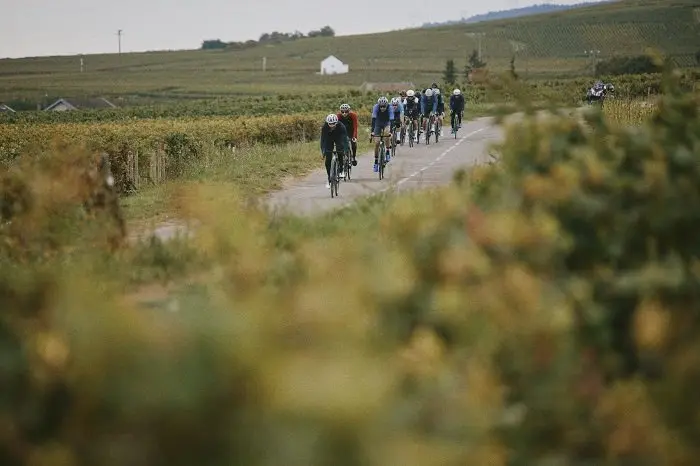
My first rides on the Lapierre Xelius DRS 10.0 came the day after the bike’s official press launch as I headed out of the Dijon metropolitan area that houses the brand’s historic headquarters. That inevitably meant plenty of ruts and potholes. Under these conditions, the ride comfort was quite good—not particularly harsh, but not as cushioned as a bike designed for competitive cycling.

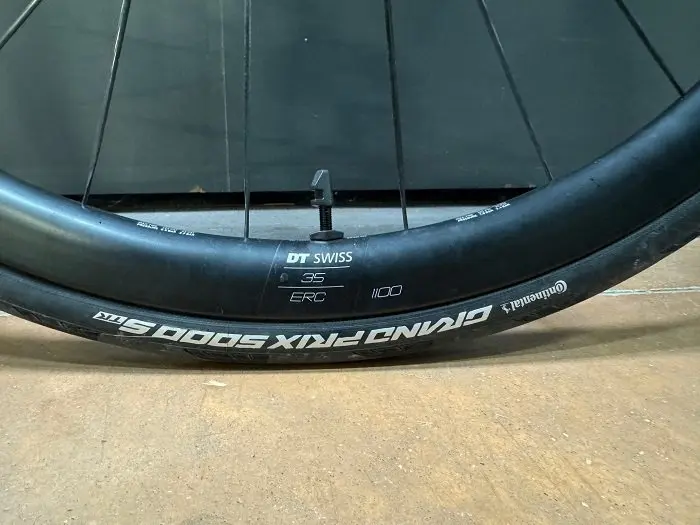
Nothing could be more normal at this level. However, it’s worth noting that the Continental 5000 STR Tubeless tires stick to a 25 mm width (with pressures of 5 and 5.5 bar for the front and rear, respectively, during this first ride), rather than the current trend toward 28 mm, in line with the need for braking grip on disc brakes, the width of modern rims (including these DT Swiss ERC 1100 Spline models)… and the need for comfort.
Urban areas mean traffic lights—and therefore frequent accelerations—especially since riding in a group of about twenty cyclists requires some effort when trailing behind between roundabouts.
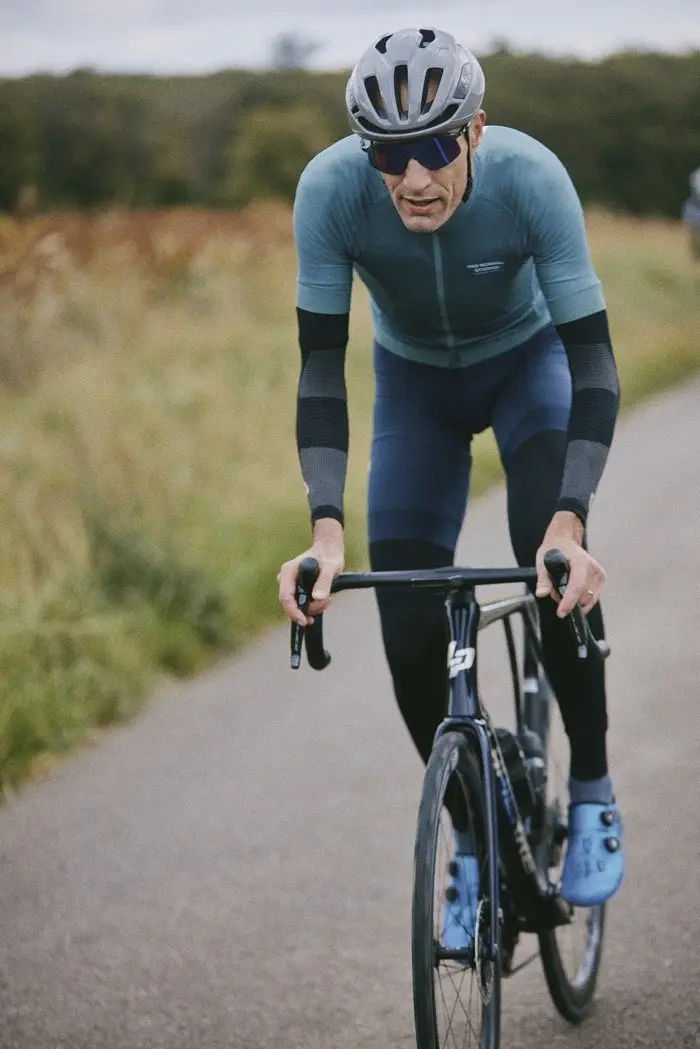
In fact, at first glance, the bike already feels pleasant to accelerate as soon as you stand up on the pedals. The overall stiffness feels consistent throughout the bike (head tube, bottom bracket, and rear triangle) and complements the pedal stroke. So there’s no need to adjust your technique while standing to get the bike moving. A few kilometers further on, when it’s possible to ride without interruption, these impressions are confirmed. The balance of stiffness doesn’t require a significant expenditure of energy to bring the whole bike to life, as is the case with “wooden” frames that only perform well at high power output—combined, in this case, with a high cadence.
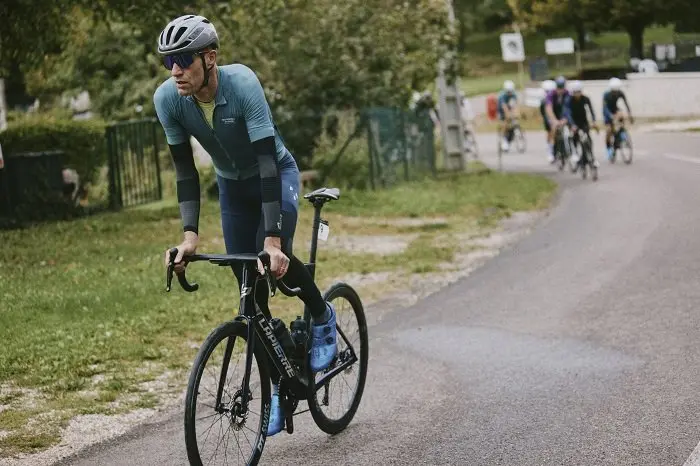
First impressions are often accurate (based on a recent comparison with his personal bike), and these were confirmed over the course of nearly 1,000 km ridden on the bike, but of course, riding a series of rides and “mixing” them with rides on other bikes has actually allowed me to refine those initial impressions.
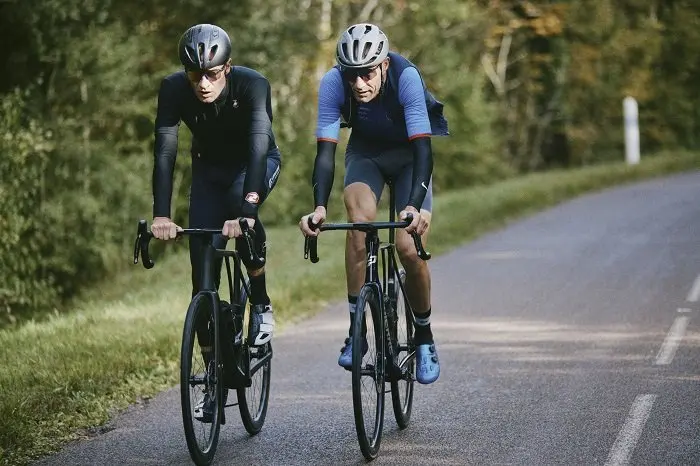
Although this is a bike that could potentially be used by the world’s elite cyclists (and Lapierre is, in fact, working on this), the Xelius offers a riding experience accessible to a wide range of cyclists at different skill levels. In other words, while a true beginner might find it very stiff but will appreciate its smoothness, conversely, whether it’s a cyclist of average fitness or a more advanced rider looking to go on an endurance ride, the bike stands out for its pleasant and responsive ride. A test on a sudden bump that comes right after a smooth stretch of flat road (and with tired legs) leaves no doubt: you don’t have to fight the bike to feel like you’re moving forward. Similarly, in these circumstances where fatigue sets in—and muscle coordination no longer allows you to pedal fast enough—the bike doesn’t let you down.
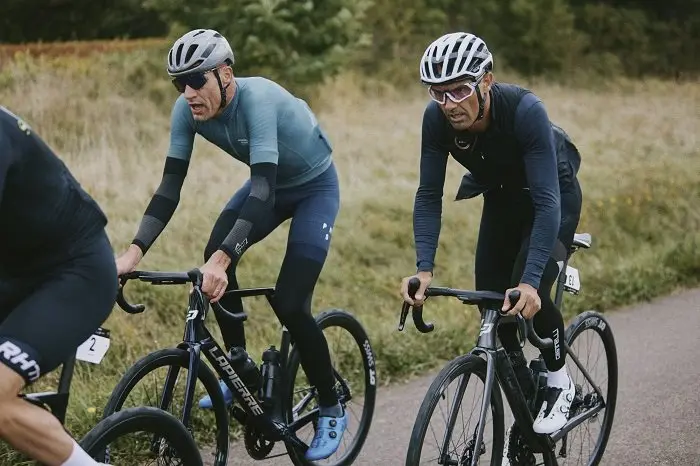
Admittedly, like any performance-oriented bike, it works best with relatively high cadences, but it also allows for lower cadences—whether due to fatigue, as mentioned above, or for strength training, the kind of sessions that highlight whether or not you’re passing through the dead spots correctly during the pedaling cycle.
The Xelius offers a riding experience accessible to a wide range of cyclists of varying skill levels.
Thus, the Lapierre Xelius doesn’t feel like it’s struggling on climbs when riding at a steady pace, while its responsiveness works wonders whenever you need to accelerate. This aspect is, in fact, its key feature and greatest strength: the balance between responsiveness and stiffness seems ideal. Once again, this highly desirable characteristic makes it suitable for a wide range of cyclists. And even a single cyclist will find that this new Xelius can adapt to different power outputs: it performs well when attacking but remains comfortable during relaxed rides.
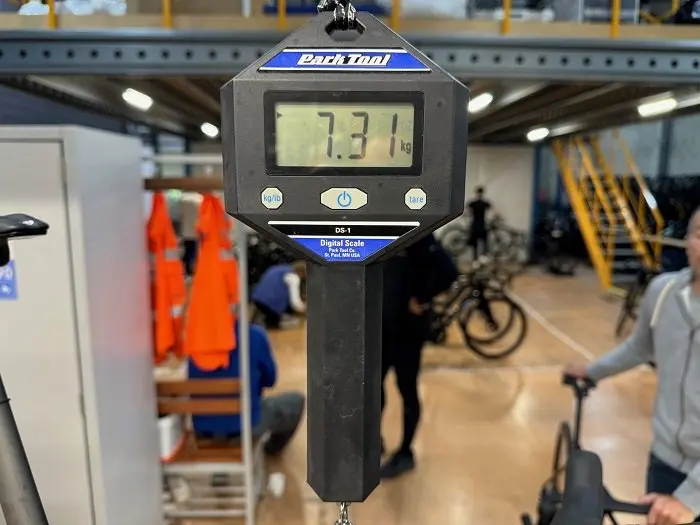
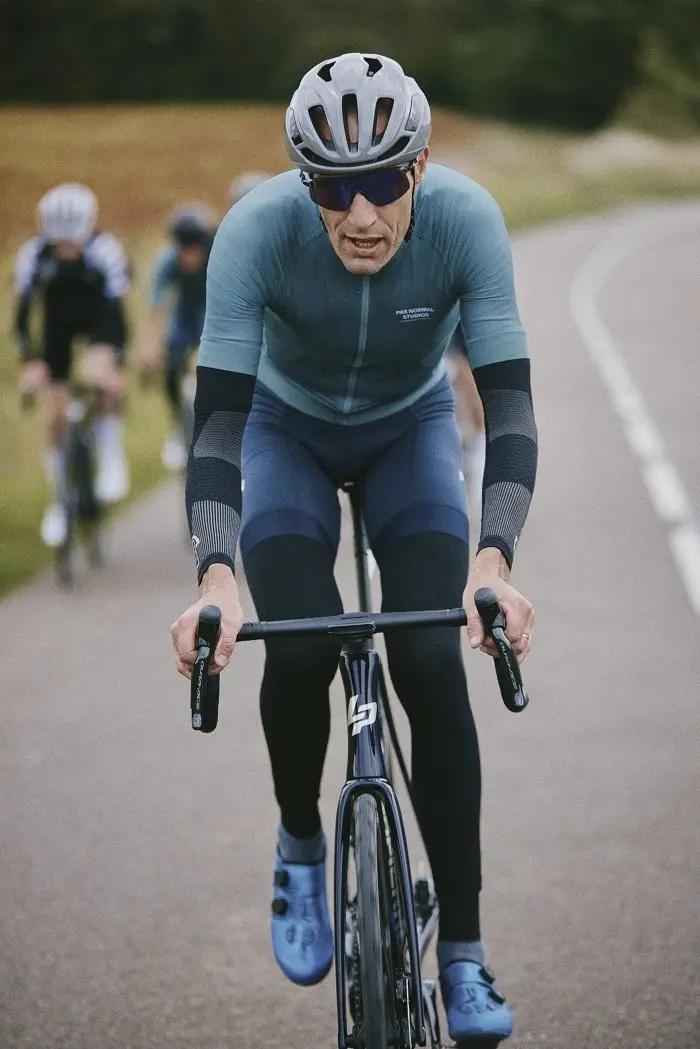 In addition to these performance-related features, the Xelius 10.0 also boasts an impressive weight, even though this wasn’t the primary goal. Weighing in at 7.31 kg in size XL—including a pair of pedals, two bottle cages, and the computer mount—the bike stacks up well against the competition. This, of course, positively impacts climbing performance and contributes to the Lapierre Xelius’s dynamic qualities.
Furthermore, even though my sprinting abilities are more of a weakness—even when I’m putting out as many watts as I possibly can—the bike doesn’t flex under this maximum load, aided by wheels that follow the movement and provide seamless integration with the frame: there’s no weak link in the equation.
Even though it’s still impossible to quantify this in absolute terms, the bike delivers a genuine aerodynamic feel, especially when riding with fellow cyclists who are on bikes less optimized in this regard. Another example: on any section that starts to slope downward—and this is particularly noticeable on a slight downhill—the bike generally picks up speed easily, especially since it isn’t weighed down by excessive stiffness.
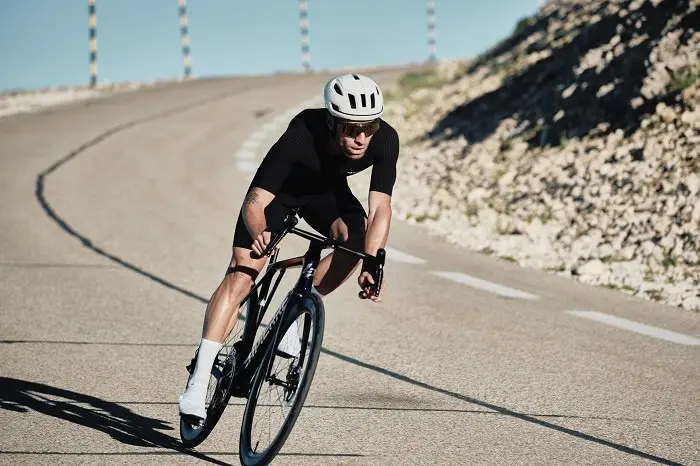
On steep descents, the bike’s standout feature is the precision of the front end—a quality that’s particularly noticeable in tight turns. It’s a real pleasure to lean into the turn by placing the front wheel exactly where you want it. Once on the line, the Xelius stays rock-solid while still providing enough confidence to make slight corrections if needed. As a result of this characteristic, the bike feels quite responsive in very fast sections (over 70 km/h) exposed to the wind, without this becoming a flaw due to excessive nervousness. Lapierre explains that it deliberately equipped the bike with wheels featuring different rim heights: the DT Swiss rims are 45 mm high at the rear and 35 mm high at the front, to help maintain “light steering.” Riding with a 45-mm front wheel does indeed feel more stable up front (along with better aerodynamics), though the lateral sensitivity is obviously higher.
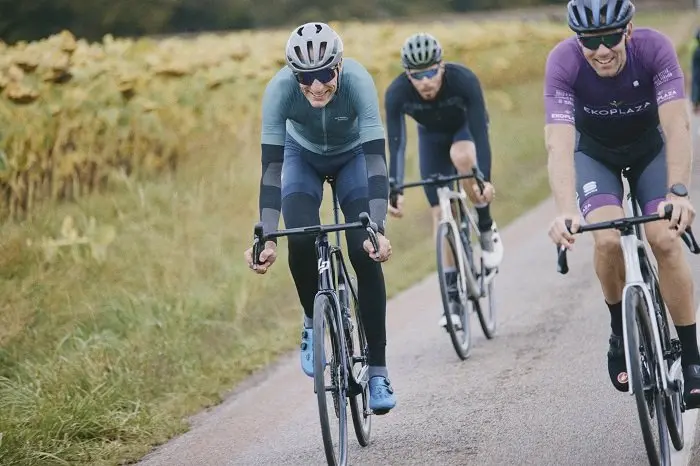
Ultimately, it’s all about compromise and riding style, and it’s easy to imagine that riders who fall for a bike like this might also want to equip it with a set of wheels designed for performance on very fast (and relatively wind-free) routes.
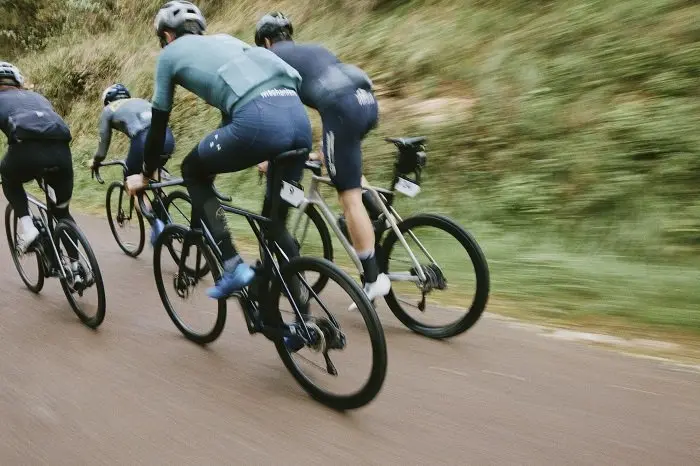
In any case, to sum up its behavior on descents, the balance between handling and stability leans more toward handling without ever feeling scary. Especially since confidence grows with each passing kilometer, once you’ve gotten a feel for how it handles. But above all, its sharp handling gives the Lapierre Xelius a fun, even playful character.
The combination of rim heights (35 mm front and 45 mm rear) accentuates the bike’s versatility and playfulness—whether on descents, as mentioned here, or even on climbs, thanks to the bike’s overall responsiveness.
Regarding the handling of the Xelius DRS 10.0 tested here, it’s important to note that this is the top-of-the-line frame (called SLI Team), priced at €10,000 with Shimano Dura-Ace. As for the model just below it in the lineup, the Xelius DRS 9.0, it uses the second-tier frame grade (called SLI) and is priced at €8,499. While its stiffness is theoretically similar to that of the Team model, its weight and responsiveness aren’t quite as good as the more expensive version. This frame was not tested during the review period.
Furthermore, the 10.0 model, which is equipped with the Shimano Dura-Ace groupset, is perfectly complemented in its performance by a drivetrain and braking system that are beyond reproach. Light, smooth, precise, fast, easy to modulate yet still powerful and durable, this package sets the benchmark.
https://www.3bikes.fr/2022/12/20/test-longue-duree-du-groupe-shimano-dura-ace-di2-12-vitesses/ In conclusion
The initial question was whether Lapierre would succeed in producing a frame on par with the best on the market. The answer is yes, because it has all the elements expected of a top-tier bike: ample comfort, perfectly balanced stiffness for a wide range of riders, and it handles equally well on climbs, descents, and flat terrain. What’s also striking is the bike’s playful nature. While the term may seem overused—since it’s hard to imagine that one high-end bike could be more fun than another—on the trail, that’s truly the prevailing impression. It’s the very epitome of a bike that simply makes you want to go for a ride because the rider is certain that their physical and technical effort will translate into the joy of riding.
Admittedly, this comes at a very high price—€10,000. But compared to what the competition charges for this level of performance, it’s actually quite reasonably priced.
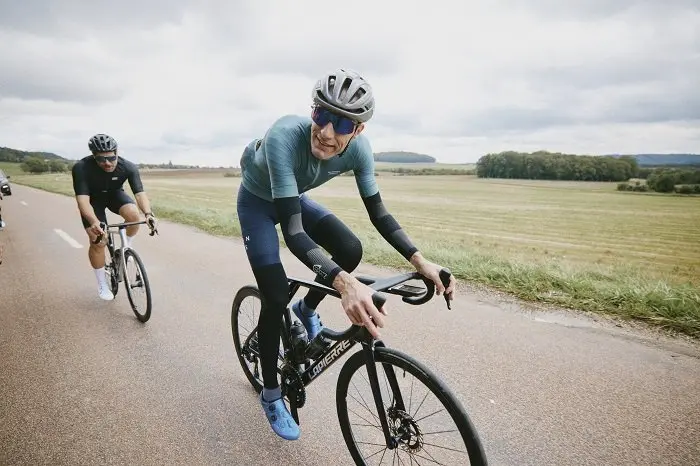
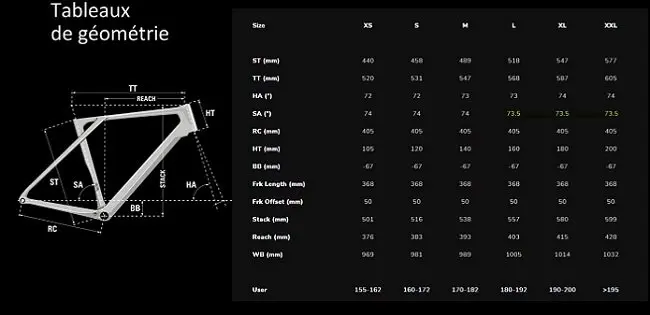
The Lapierre Xelius DRS 10.0 at a glance… Pros: versatility, responsiveness, overall performance, price compared to the competition, weight, handling, efficiency, very decent comfort Cons: tires could benefit from being upgraded to 28 mm Frame: UD SLI Team Carbon – Fork: UD SLI Team Carbon – Handlebar/Stem: Lapierre semi-integrated UD carbon combo – Brakes: Shimano Dura-Ace 160/140 mm – Rear Derailleur: Shimano Dura-Ace Di2 12-speed – Shifters: Shimano Dura-Ace Di2 12-speed – Cassette: Shimano Dura-Ace 12-speed 11-34 – Chain: Shimano Dura-Ace 12-speed – Crankset: Shimano Dura Ace 12-speed 52-36 – Wheelset: DT Swiss ERC1100 Spline 35 mm / 45 mm – Tires: Continental GP 5000S TR 700×25 – Saddle: Prologo Dimension Nack – Seatpost: Lapierre Carbon, 0 mm offset – Weight: 7.31 kg (verified for size XL, including pedals, bottle cages, and computer mount) – Sizes available: 6 (XS to XXL) – Price: 10,000 €
|
Share the post "Long-Term Test of the New Lapierre Xelius DRS 10.0"