Share the post "Managing the transition between the Tour de France and the Olympic Games time trial: a crucial week"
On 3bikes.fr, we took a close look at the crucial period between the finish of the Tour de France and the Olympic Games time trial. This five-day transition is decisive for the selected riders. We offer a detailed overview of this critical phase, taking into account specific challenges such as the parade during the Olympic opening ceremony.
By Jean-François Tatard – Photos: Depositphotos.com
Sunday, July 21: Tour de France finish
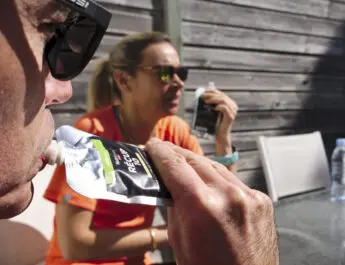
After the final stage of the Tour de France in Nice, the priority is recovery. While the celebration is tempting, especially with the usual festivities that include beer and pizza, riders selected for the Olympic Games must remain focused on their upcoming goals. Their recovery program is therefore stricter: rest, medical care, and rehydration are essential. Massages and specialized treatments are administered to relieve fatigue, thus best preparing for the transition to the Olympics. Festivities with non-selected riders are generally limited to avoid any physical or mental overload.
Monday, July 22: recovery and travel
The day after the finish, riders focus on active recovery, including light stretching, yoga or mobilization sessions, and adequate hydration to promote muscle regeneration. This rest period is crucial for eliminating toxins and preparing the body for the next challenges. Simultaneously, riders begin to travel to Paris for the Olympic Games. Although there is no time difference between Nice and Paris, the journey must be carefully managed to avoid travel-related fatigue. Riders must ensure optimal sleep quality during the journey, take breaks to stretch and relax, and maintain an adapted diet to support their recovery. Acclimatization to city conditions, such as climate and humidity, is also an important aspect of this transition.
Tuesday, July 23 to Thursday, July 25: specific preparation
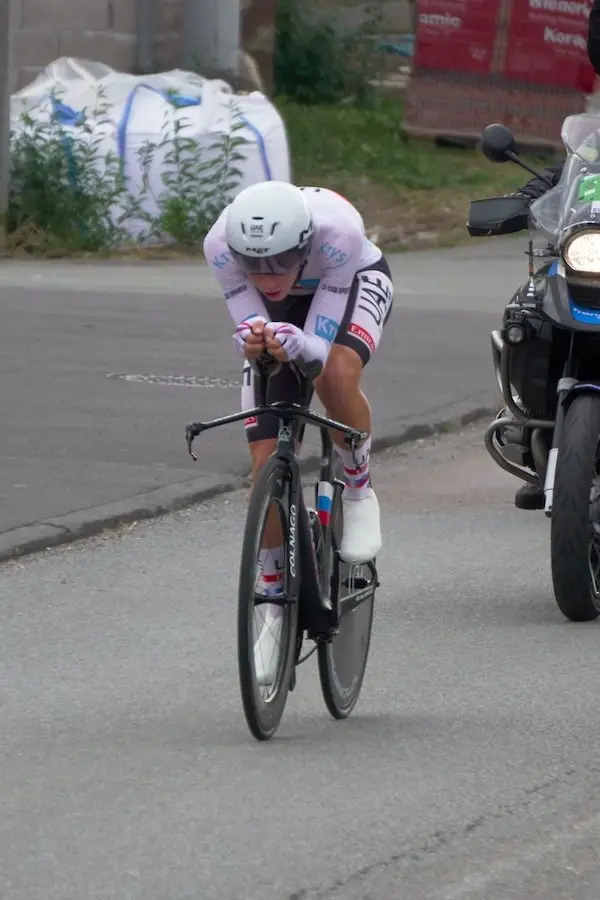
These three days are probably the most important and are dedicated to specific preparation for the time trial, an event that requires meticulous precision both technically and physically. Riders follow an intensive and targeted training program to optimize their performance. Here is a detailed overview of this preparatory phase:
Targeted training
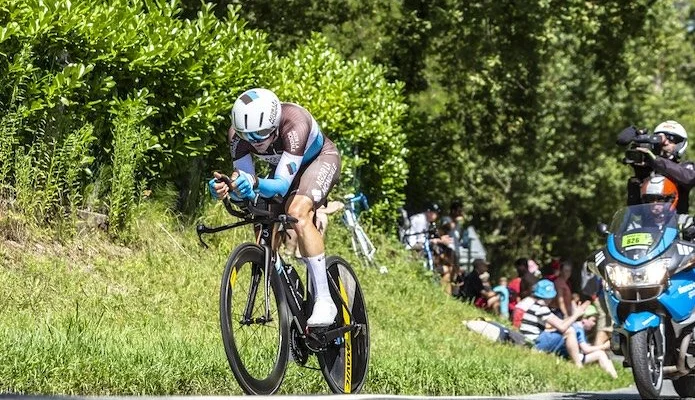
1. Time trial sessions: riders perform simulations of maximum intensity efforts on courses similar to those of the Olympic Games. These sessions include efforts of 20 to 60 minutes at an intensity close to what they will maintain during the competition, allowing them to adjust their position on the bike and test their aerodynamics.
2. High-intensity intervals: to improve power and endurance, riders perform high-intensity intervals. These sessions, often composed of short sprints followed by recovery, aim to develop the ability to maintain high speed for prolonged periods.
3. Race technique training: riders work on technical aspects such as cornering management, aerodynamics optimization, and managing different types of terrain. Specific sessions may include exercises to improve pedaling technique and position on the bike.
Tests and adjustments
1. Equipment evaluation: riders conduct detailed tests of their equipment, including bikes, wheels, and aerodynamic suits. They check bike settings to ensure they are perfectly adapted to their needs, taking into account the specificities of the Olympic course.
2. Position adjustment: the position on the bike is adjusted based on wind tunnel test results and effort simulations. Riders work with specialists to refine their position to maximize aerodynamics while preserving comfort and efficiency.
3. Conditions analysis: teams analyze weather forecasts to adapt equipment choices and race strategies. Riders can test different types of tires and settings to optimize their grip based on the conditions expected on race day.
Mental preparation
1. Visualization and strategy: riders use visualization techniques to mentally prepare for the race. They review their race plan, detailing key segments of the course and strategies to adopt based on conditions and competition.
2. Stress management: sessions with sports psychologists help riders manage stress and maintain optimal concentration. Relaxation and emotion management techniques are integrated to ensure solid mental preparation.
Nutrition and recovery
1. Nutritional plan: a specific nutritional plan is developed to ensure riders maintain their energy and performance levels. They follow a diet rich in complex carbohydrates, proteins, and carbohydrates to support their intense training and promote rapid recovery.
2. Active recovery: active recovery sessions, such as ice baths, massages, and light cycling or swimming sessions, are integrated to aid muscle regeneration and reduce accumulated fatigue.
By combining these elements, riders maximize their preparation for the time trial, aiming to perform at their best in this decisive Olympic event.
Friday, July 26: opening ceremony and adjustments
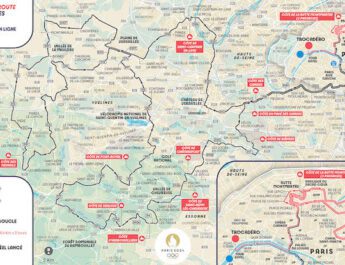
On Friday, the Olympic Games opening ceremony will take place along the Seine, on a 6-kilometer course, between Île de la Cité and the Eiffel Tower. While this event is a strong symbolic moment, it also represents a physical challenge for athletes, with several hours of walking and public presence. To optimize their performance despite this physical demand, teams implement meticulous strategies.
Athletes are divided into groups to limit time spent moving, and breaks are integrated to allow for rest. Particular attention is paid to hydration and nutrition throughout the parade, with snacks and drinks available to maintain energy. Active recovery sessions are planned after the event, including massages and stretching, to facilitate muscle regeneration and minimize fatigue. This rigorous management aims to ensure that athletes remain fit and ready for the imminent competitions, including the time trial the next day.
Saturday, July 27: the big day
On the day of the time trial, the die is cast, riders follow their usual preparation routine, including targeted warm-ups and meticulous checks of their equipment. They perform exercises to activate muscles, refine their position on the bike, and ensure all their equipment is working perfectly. Mental concentration and stress management are essential to approach this individual event with optimal performance. Athletes mentally prepare by visualizing their course and adjusting their strategy based on the latest conditions, while implementing relaxation techniques to maintain a serene and focused state of mind.
In conclusion
This transition week is crucial for riders, combining recovery, meticulous preparation, and management of the logistical and physical challenges of the Olympic Games. Every aspect is carefully orchestrated to ensure athletes are in peak condition for their performances. On 3bikes.fr, we look forward to discovering the spectacle and seeing the results of the athletes’ preparation. The celebration promises to be exceptional, and we can’t wait to experience these captivating moments with you.
Share the post "Managing the transition between the Tour de France and the Olympic Games time trial: a crucial week"