Share the post "The Decline in Cycling License Holders in France: A Call for the Modernization of Federations"
In France, the number of licensed cyclists is declining, a worrying phenomenon for cycling enthusiasts and professionals. Several factors can explain this trend, including the slow pace of modernization of the French Cycling Federation (FFC) and a persistent lack of communication between the various cycling federations in France, notably the FFC, UFOLEP, and FSGT. This lack of coordination and modernity not only hinders the recruitment of new members but also creates disparities in race categories, affecting the competitiveness and attractiveness of the sport.
By Jean-François Tatard – Photos: www.depositphotos.com
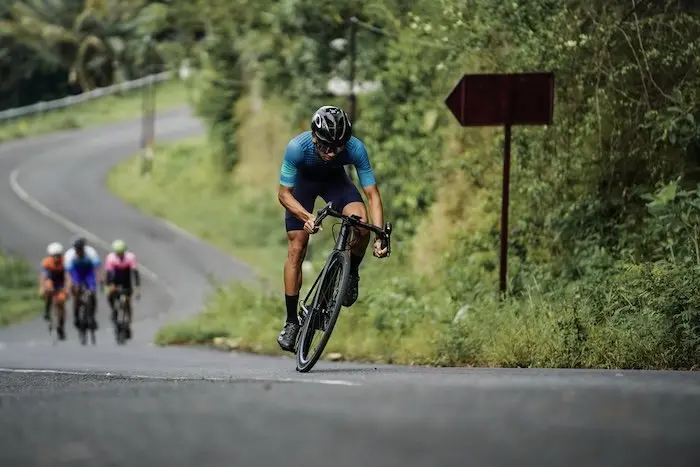
The FFC, despite its central role, struggles to keep pace with developments observed in other sports. While cycling is gaining popularity in other countries thanks to modern and inclusive initiatives, France seems to be stagnating. To attract new licensees, the FFC must innovate and adopt more modern practices.
On 3bikes.fr, we have thought about it, and here are some ideas to stimulate this modernization:
1. Digitalization and accessibility
The FFC could invest in digital platforms or smartphone applications to facilitate registration, license management, and communication with members. A dedicated mobile application could offer features such as race registration, performance tracking, and personalized news with statistics or point tracking rewarding results.
2. Promotion of urban and leisure cycling
In addition to competitions, the FFC could promote urban and leisure cycling. Cycling events accessible to all, such as rides or family outings, could attract a wider and more diverse audience.
3. Development programs for young people
Programs dedicated to young cyclists, with partnerships with schools and local clubs, could also help develop a new generation of passionate cyclists. To erase inequalities related to the rapid evolution of equipment, regulate the type of bike used by young people, for example by establishing a “basic” bike up to the Minimes or Cadets categories.
4. Events inspired by team sports in the United States
Drawing inspiration from American sporting events, which combine sport and entertainment, could be an interesting path. Organizing cycling competitions with entertainment, musical shows, and interactive stands would make events more attractive to a wide audience.
5. Friendly and family atmosphere
Conversely, we could return to traditional kermesses, or organize cycling events with beer taps and barbecue grills, which could create a friendly atmosphere and attract more participants. Relaxation areas with food and drink stalls, children’s games, and entertainment could transform races into real family festivals.
6. Training courses and camps
Training courses and camps inspired by American physical preparation methods, with intensive training programs, technical workshops, and motivational sessions, could help cyclists improve their performance while creating a sense of belonging to a dynamic sports community.
7. Reinventing certain events
Reinvigorate cycling, for example by launching short uphill time trials in city centers open to all and easier to organize than circuit races, with an elimination round system.
In short, by combining these different initiatives, the FFC could not only modernize its approach but also create an attractive and stimulating environment for cyclists of all ages and levels. Modernization is a necessity to remain competitive and relevant in the current sporting landscape.
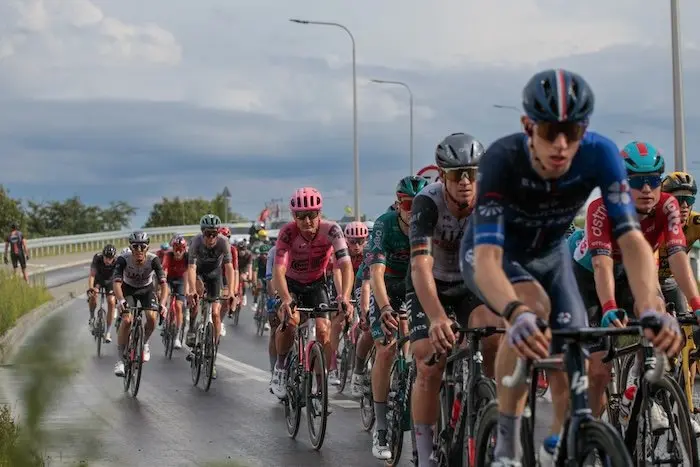
Coordination between federations
The lack of communication between the FFC, UFOLEP, and FSGT is another major obstacle. This absence of coordination creates inconsistencies in race categories, with riders registered in different categories depending on the federation. For example, a cyclist can be in Access 2 in the FFC and in the first category in UFOLEP, which complicates the organization of competitions and distorts competitiveness.
To remedy this, a rule could be considered stating that a rider with licenses in two different federations (FFC and UFOLEP) would automatically be registered in their highest category, if it differs between the two federations. This would ensure better harmonization of competitions and a fairer evaluation of cyclists’ performances.
Inspiring models abroad
Other countries offer examples of good practices that could be adopted in France. In Belgium, for example, races are often organized in a single category, which simplifies organization and participation. Another approach would be to classify riders by age group, as is done in some sports disciplines such as running, allowing for more balanced and inclusive competition.
In conclusion
The decline in the number of licensed cyclists in France is an alarm signal for the federations. To reverse this trend, modernization of the FFC, better communication and coordination between federations, and the adoption of innovative practices are essential. By drawing inspiration from foreign models and being open to new ideas, we are sure that French cycling can regain its dynamism and attract new enthusiasts, thus ensuring a bright future for this emblematic sport.
Share the post "The Decline in Cycling License Holders in France: A Call for the Modernization of Federations"