Share the post "Cupping therapy in physiotherapy: an ancient technique for modern relief"
Cupping, a legacy of traditional Chinese medicine, is now part of the modern physiotherapy landscape, offering an innovative and effective approach to relieve a variety of musculoskeletal disorders. In the world of cycling, where recovery and injury prevention are crucial, cupping can be a valuable tool for athletes. We shed some light on it…
By Jean-François Tatard – Photos: Jean-François Tatard
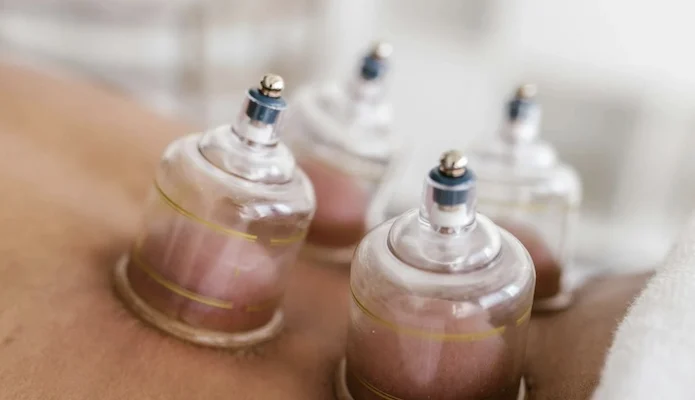
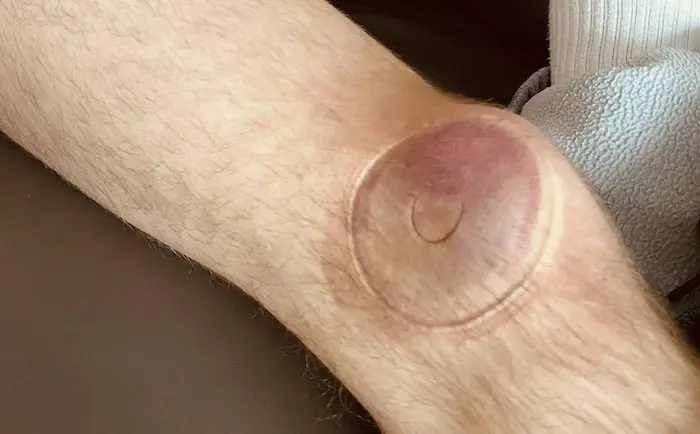
The cupping technique relies on creating negative pressure on the skin, thereby stimulating local blood flow, relaxing tense muscles, and promoting the regeneration of damaged tissues. This ancient method, supported by contemporary research, offers promising therapeutic potential. The technique is also known as cupping therapy. But sometimes misunderstood or poorly practiced, the medical cupping technique deserves consideration of its mode of action and its therapeutic interest.
Versatile Applications
The indications for cupping are vast and cover a wide range of disorders, from muscle pain to sports injuries, as well as back problems and joint stiffness. In the world of cycling, where tendinitis and muscle tension are common, cupping can help relieve these problems and accelerate recovery.

Techniques and Innovations
Professionals now have a varied range of cups at their disposal, from traditional manual pressure models to more modern mechanical suction or even electric versions, like those we recently successfully tested at 3bikes.fr. This diversity allows for precise adaptation of the treatment to the specific needs of each cyclist, whether to treat existing injuries or to prevent new tensions.
Although despite our research we have not found convincing scientific study results, the tangible benefits we have observed confirm the effectiveness of the cupping technique. It is therefore reasonable to expect that future studies and complementary examinations will strengthen the credibility and relevance of this therapeutic approach.
The impact of Michael Phelps at the Rio 2016 Olympic Games cannot be overlooked. The notoriety and interest in this ancient technique significantly increased following this event. Even the medical community, initially skeptical, began to examine its mode of action and therapeutic effects more closely over time.
Advice for Cyclists
For cyclists wishing to explore the benefits of cupping, it is recommended to consult a physiotherapist or a qualified health professional. They can provide personalized advice on the use of cupping based on individual needs and recovery goals. In addition, it is important to maintain good hydration, a balanced diet, and a regular stretching and muscle strengthening program to optimize the results of cupping therapy.
When correctly applied, the cupping technique becomes a skillful extension to other manual interventions. It is essential not to simply place the cups without thinking about the location and to leave them on for more than 20 minutes. “Used appropriately, cupping allows us to evaluate and prepare tissues for other therapeutic modalities,” a physiotherapist revealed to us. And before adding: “This simple and affordable tool helps us identify tissue retractions and fibroses,” thus facilitating treatment to restore the physiological flexibility of a body region and improve freedom of movement for athletes. And before we added on 3bikes.fr that, of course, it is crucial to know the contraindications, but trained physiotherapists and osteopaths are competent to use cupping optimally, so it is to them that you should ask for advice before using them at home.
Where is cupping useful? In which areas?
– For athletes: cupping is used to relieve muscle tension, accelerate post-exercise recovery, and treat sports injuries such as tendinitis and sprains.
– In rheumatology: it is used to alleviate joint and muscle pain associated with rheumatic conditions such as arthritis and fibromyalgia.
– In visceral therapy: cupping can be applied to improve blood circulation in internal organs, thereby promoting digestion and relieving abdominal discomfort.
– In aesthetics: it is used in skin firming treatments, cellulite reduction, and improvement of blood circulation, thus contributing to a healthier and more toned appearance.
And finally, among the benefits of cupping, we observed at 3bikes and in the feedback from people we interviewed to write this post:
– Skin beautification
– Relief of rheumatic pain
– Treatment of back pain
– Elimination of toxins
– Improved digestion
– Reduction of migraines
– Management of sports injuries such as tendinitis, sprains, and cramps
– A feeling of relaxation and well-being
To conclude
The cupping technique in physiotherapy represents a perfect symbiosis between tradition and modernity. By combining ancestral knowledge with contemporary scientific advances, physiotherapists are paving the way for effective and personalized treatment for cyclists, thereby helping to improve their performance and prevent injuries. Finally, this millennia-old practice brilliantly reinvents itself in the context of modern medicine, affirming its continued relevance and usefulness for athletes of all levels… Ask your physiotherapist for advice.
=> SEE ALSO: All our Coaching articles
Share the post "Cupping therapy in physiotherapy: an ancient technique for modern relief"