Share the post "Maximizing Athletic Performance Through Isometric Training"
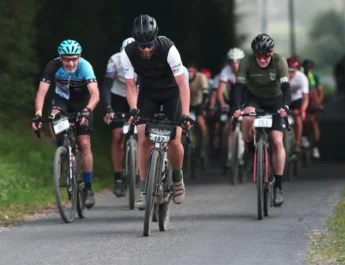
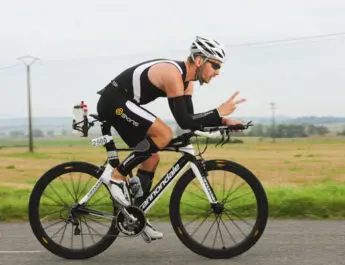
In the world of sports, including cycling, athletes are constantly seeking innovative ways to improve their performance. Increasingly, during indoor training sessions or general physical preparation (GPP) phases, athletes are observed engaging in isometric training. This method, which involves maintaining a static muscle contraction without visible joint movement, is gaining popularity. It is therefore relevant to examine why it is increasingly favored, as well as its benefits in terms of developing motor control and functional strength.
By Jean-François Tatard – Photos: besttestosteronebooster.com / DR
What is isometric training?
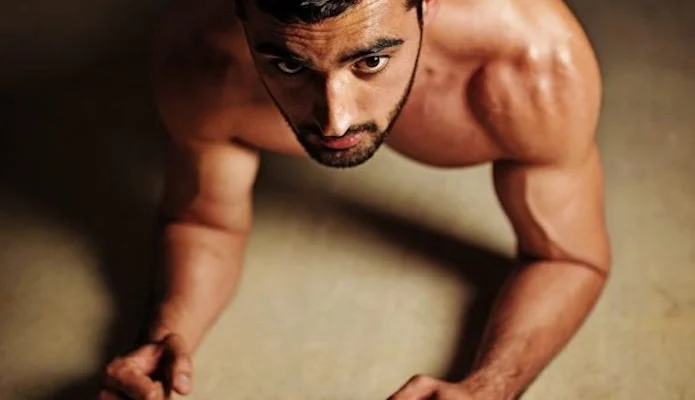
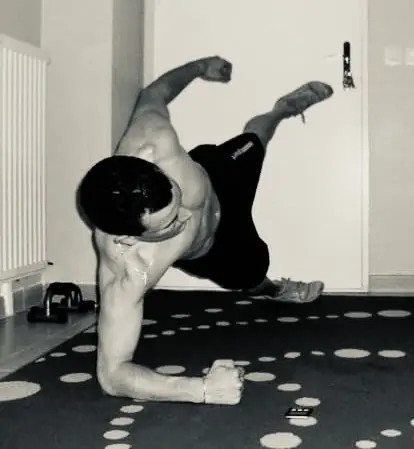
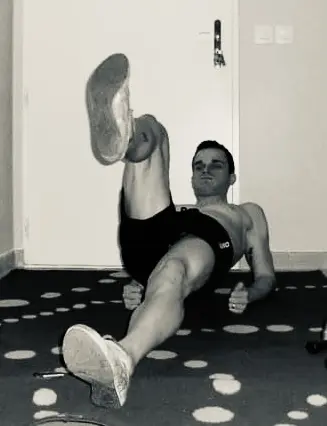
We interviewed Kristel Beveraggi, the osteopath at the PREFONTAINE medico-sports institute in Saint-Germain-en-Laye (78). She explains that isometric training indeed involves exercises where muscles are contracted statically, meaning without changing length. This is in contrast to dynamic exercises which involve joint movements. “Isometrics focuses on maintaining a specific position for a determined period,” she explains. These exercises can be performed with or without equipment and offer a variety of options to target different muscle groups.
The role of motor control
According to Kristel, a rehabilitation specialist, isometric training is particularly effective for improving motor control: “Motor control refers to the neuromuscular system’s ability to regulate and coordinate body movements.” By practicing isometric exercises, athletes develop increased body awareness and strengthen the neural connections necessary to maintain correct posture and execute precise movements.
The benefits of isometric training
In addition to our discovery about motor control development, isometric training offers a range of benefits for athletes of all levels:
1. Comprehensive muscle strengthening: Isometric exercises engage muscles globally, allowing for balanced strengthening and a reduction in muscle imbalances.
2. Improved joint stability: By strengthening the stabilizing muscles around the joints, isometric training helps prevent injuries related to joint instability.
3. Gain in functional strength: The strength developed during isometric exercises often translates directly into functional movements specific to a sport or physical activity.
4. Time-saving: Isometric training sessions can be relatively short while offering significant results, making them ideal for people with little time to train or who are regularly traveling for work.
Integration into the training program
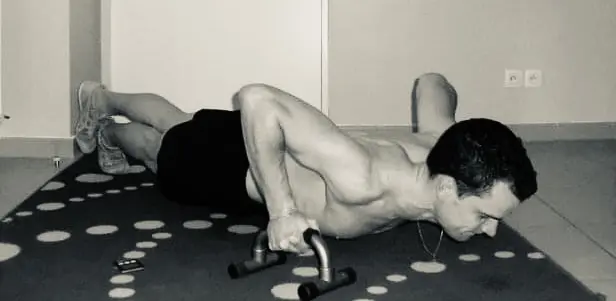
“To effectively integrate isometric training into an existing training program, it is essential to understand the athlete’s specific needs as well as the demands of their sport,” Kristel continues. Isometric exercises can be used as a complement to traditional training sessions or as a primary method for developing strength and motor control.
Gradual exposure to movement?
Before fully addressing physical exercises, it is essential to understand the importance of gradual exposure to movement. Kristel Beveraggi, an osteopath specializing in rehabilitation, emphasizes the effectiveness of this approach in preventing pain and re-accustoming tissues to manage stress.
Here are the key steps in this progression:
- Visualization of movement or observation can sometimes trigger pain in some people.
- Conscious, calm, and relaxed movements.
- Isometric (planking).
- Isolated loading.
- More complex movements.
- Strength/explosiveness/plyometrics.
- The more sensitive or irritable the person, the more we focus on the exercises at the top of the list, often recommended by physiotherapists and osteopaths.
- Gradual exposure to movements aims to desensitize the nervous system and restore confidence in one’s body.
Exercise progressions?
This means that we also work on analgesia and modulation of the nervous system. To complement this approach, Kristel proposes exercise progressions that allow for adapted and safe evolution:
- Conscious movements – motor control: slow and controlled movements to work on the body-brain connection.
- Isolated loading: isometric, exercises with weights or resistance bands.
- Task-oriented or specific movement (example: carrying an object or one’s child).
- Fun: add a notion of play to distract the person and allow them to enjoy themselves.
- Strength: increase the load.
- Power/explosiveness: add speed.
This global approach, integrating progressive exposure to movement and adapted exercise progressions, offers, according to Kristel, a solid framework for rehabilitation and injury prevention, also playing on analgesia and modulation of the nervous system. (Source: Kristel Beveraggi’s osteopathy learning course)
In conclusion…
Following the enlightened advice of Kristel Beveraggi, the osteopath at the PREFONTAINE medico-sports institute, we have explored the transcendental benefits of isometric training. This method not only improves motor control and strengthens muscles but also offers effective injury prevention. By strategically integrating these exercises into your training routines, you will elevate your performance to new heights, under the expert guidance of a healthcare professional like Kristel, and realize your athletic aspirations with renewed confidence.
Contact: Kristel Beveraggi

=> SEE ALSO: All our Coaching articles
Share the post "Maximizing Athletic Performance Through Isometric Training"