Share the post "Garmin and the Pros: Constantly Improving Performance"
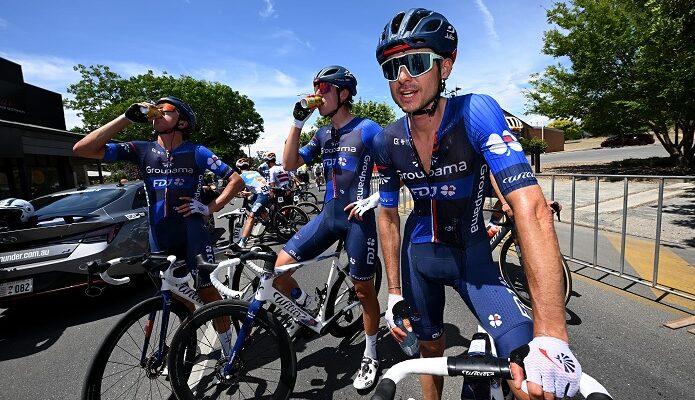
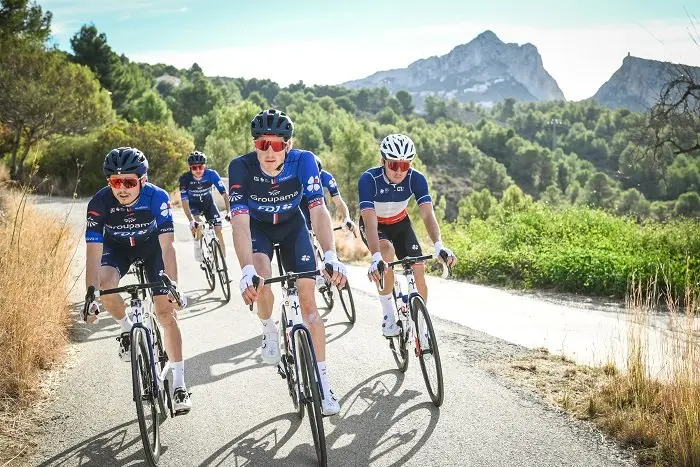
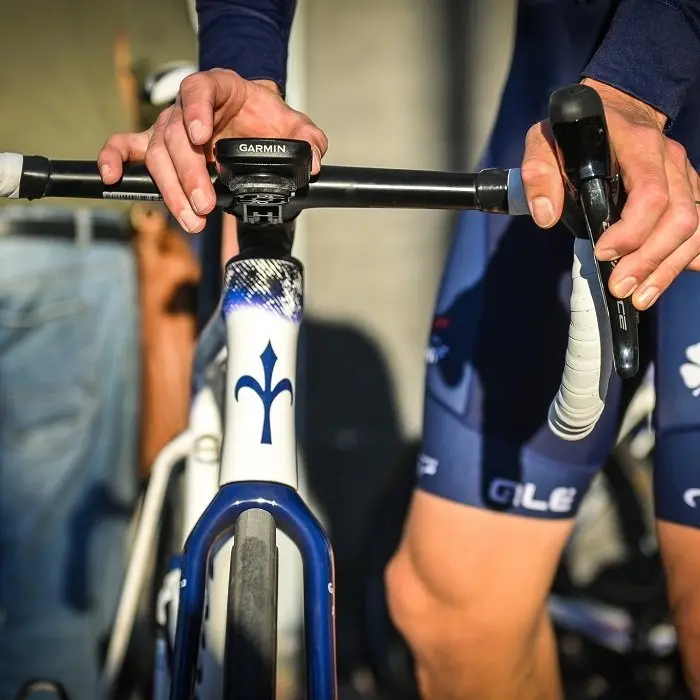
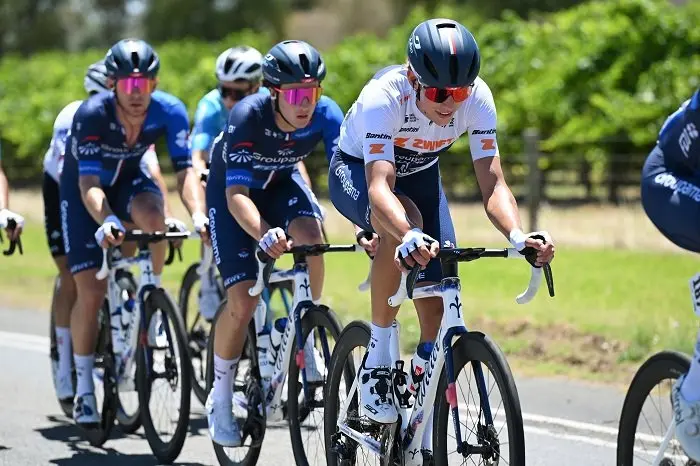
In the collective imagination, we sometimes think that professionals benefit from special equipment, more advanced than ours, and that their needs are completely different from normal practice, even from a passionate amateur. During a few days spent on the sidelines of a training camp in Calpe, Spain, with the professional Groupama – FDJ team, 3bikes.fr had the opportunity to check the interactions between these different players regarding a GPS bike computer like Garmin (used by the team) and what other areas of improvement existed for the brand’s products.
Text: Olivier Dulaurent – Photos: Garmin, Facebook Groupama FDJ, Facebook Garmin, Facebook Jumbo Lease a bike
To directly address this question that we sometimes ask ourselves and to debunk another misconception, it should be noted that Garmin is a partner of the Groupama – FDJ team. Concretely, this is characterized by the provision of GPS bike computers – we are talking here about equipment supply – but in no case is this agreement accompanied by financial participation.
In fact, regarding this collaboration, there is a real exchange between Jérémy Roy, a former professional team rider now Partnerships and Technical Development Manager at Groupama – FDJ, and Matthieu Lagrange from Garmin, who is, among other things, responsible for cycling products for the brand. It should be noted that over a full season, exchanges between Jérémy and Matthieu are not very frequent. They are limited to explanations to meet a specific need in case of problems or advice on products. Maxime Schneider is the partnerships manager in Europe, meaning he manages the partnership with Groupama – FDJ as well as with other professional teams.
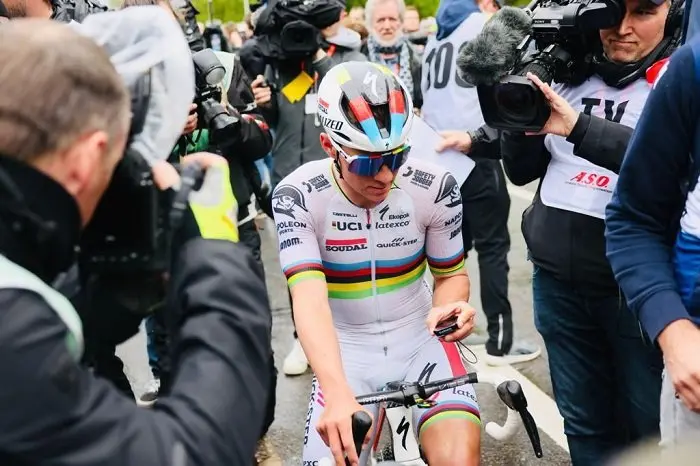
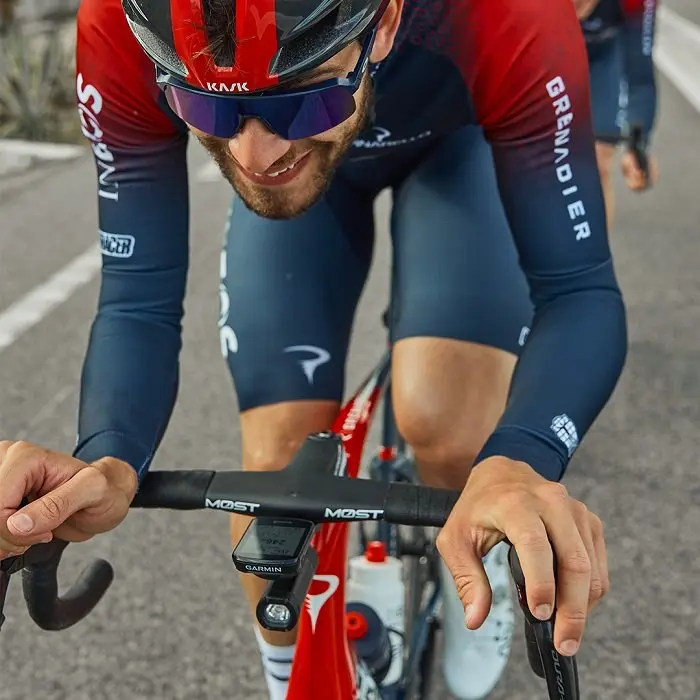
If Jérémy Roy rarely contacts his Garmin contact, it is precisely because his position within the French team requires him to answer most of the riders’ questions.
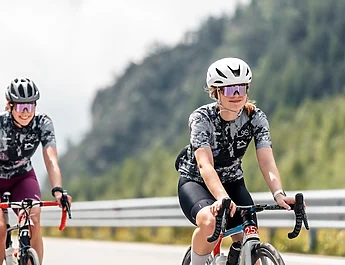
At the December training camp in Calpe, discussions were enriching with various staff members and some riders, notably Valentin Madouas, who came with his personal coach from the team for a conference with trainees participating in the “Like a Pro” camp alongside the professional team riders. All information about this camp is available HERE.
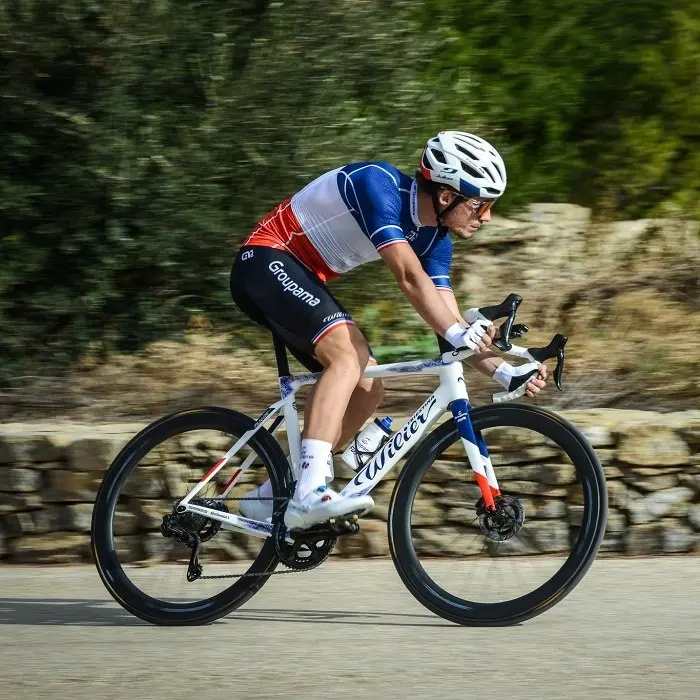
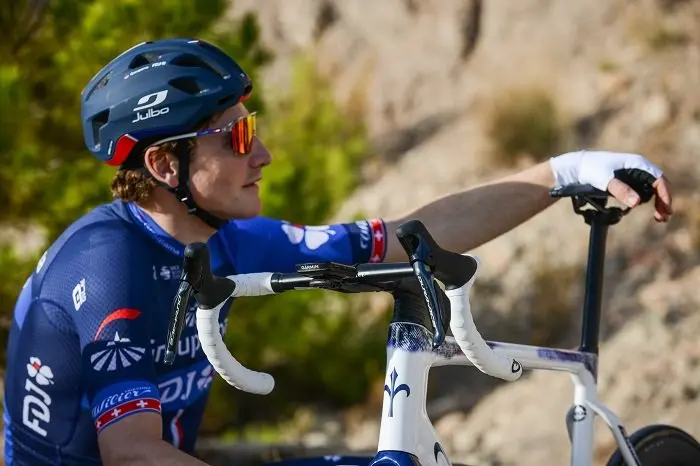
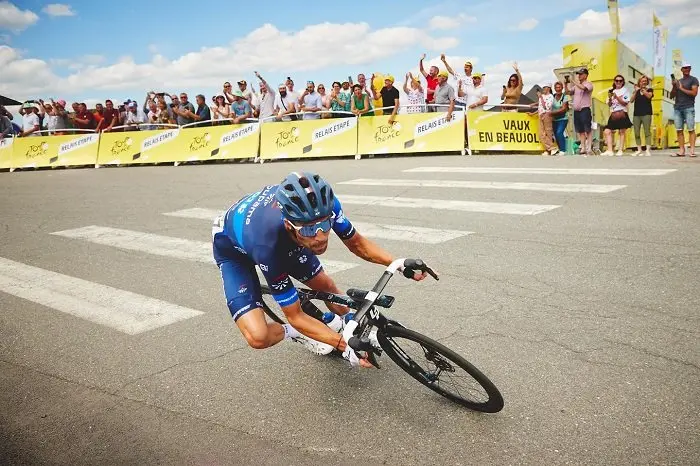
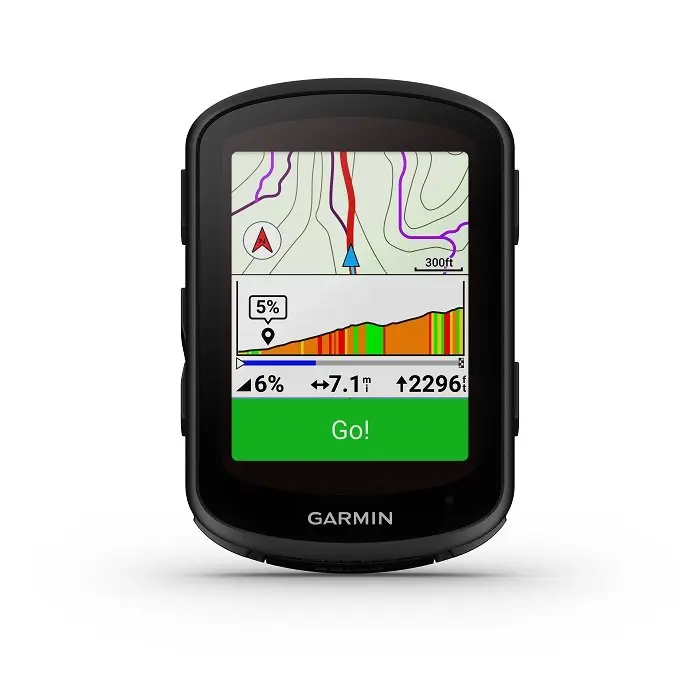
In the discussions, from Garmin’s side, some information came as a surprise, as riders use more functions than imagined. Indeed, on the one hand, it is obvious that data directly related to performance and the ride performed, such as various speed, time, elevation, and of course, power measurements (over 3 sec, over 10, average, normalized, etc.), are widely used. But on the other hand, other functions are genuinely used by riders, both in training and in competition. The example of Thibaut Pinot, freshly retired from professional pelotons, was cited (he, like others) really used the GPX track, switching from one screen to another, for example, power data on climbs and the track on descents. This allowed him to know in advance about closing turns and, generally, all changes of direction, an advantage in case of a fast descent, especially in poor visibility and strong winds.
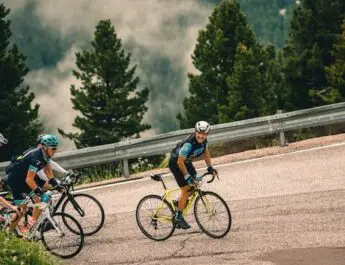
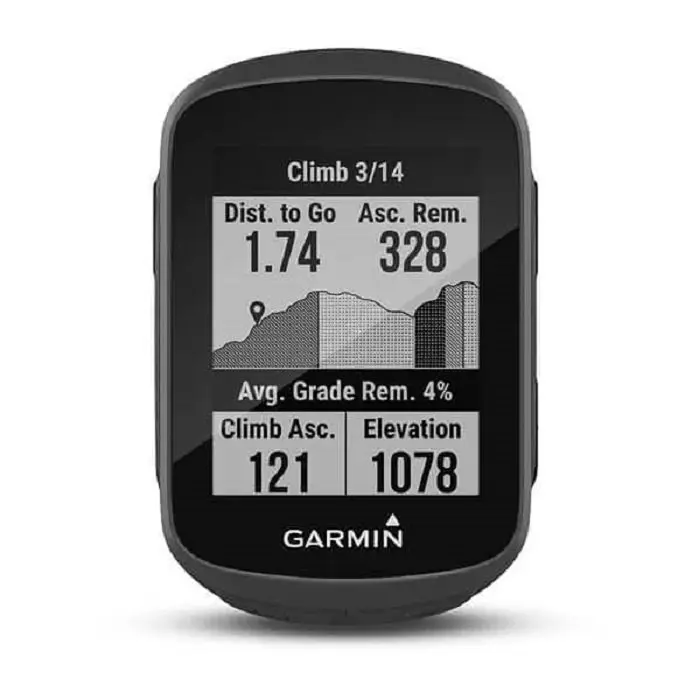
Another particularly popular function is Climb Pro, in addition to data directly related to elevation. This feature displays all the characteristics of a climb on the screen as it appears under the cyclist’s wheels: profile, length, average and maximum gradient, distance to the summit – everything is there. If the cyclist is also following a GPX track, the climb in question is listed among others on the route. For the amateur cyclist, this is an excellent tool for managing efforts during the climb as well as during the ride. But even pros have adopted this advantage.
Overall, Garmin notes that feedback from professional cyclists is more complicated “live” due to their limited time. Exchanges may seem more opaque at first glance because the present staff may tend to “filter,” and in the case of Groupama – FDJ, it is Jérémy Roy who collects information from the riders before transmitting it. Conversely, in running, athletes are more often alone (without a structured team around them), and dialogue is more direct. In another category of cyclists, Matthieu Lagrange praises exchanges with certain ambassadors like Steven Le Hyaric, an ultra-distance cyclist whose use is particular and who pushes certain functionalities of the device to the maximum while providing valuable information to the R&D sector.
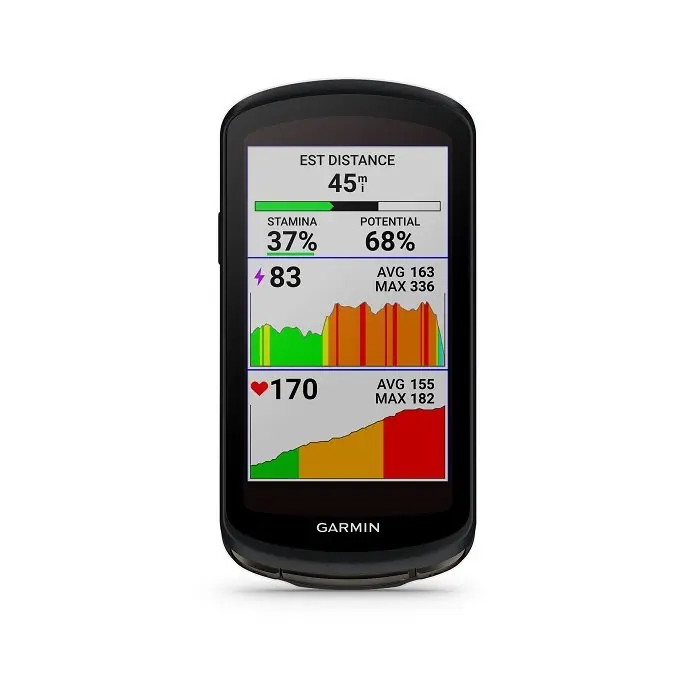
To stay in the realm of performance, let’s specify that professionals use the 840 Solar model and not the 1040 Solar, which has a larger screen and superior functionalities but is 48 g heavier (133 g vs. 85 g). For professionals, every gram counts!
Products constantly improved
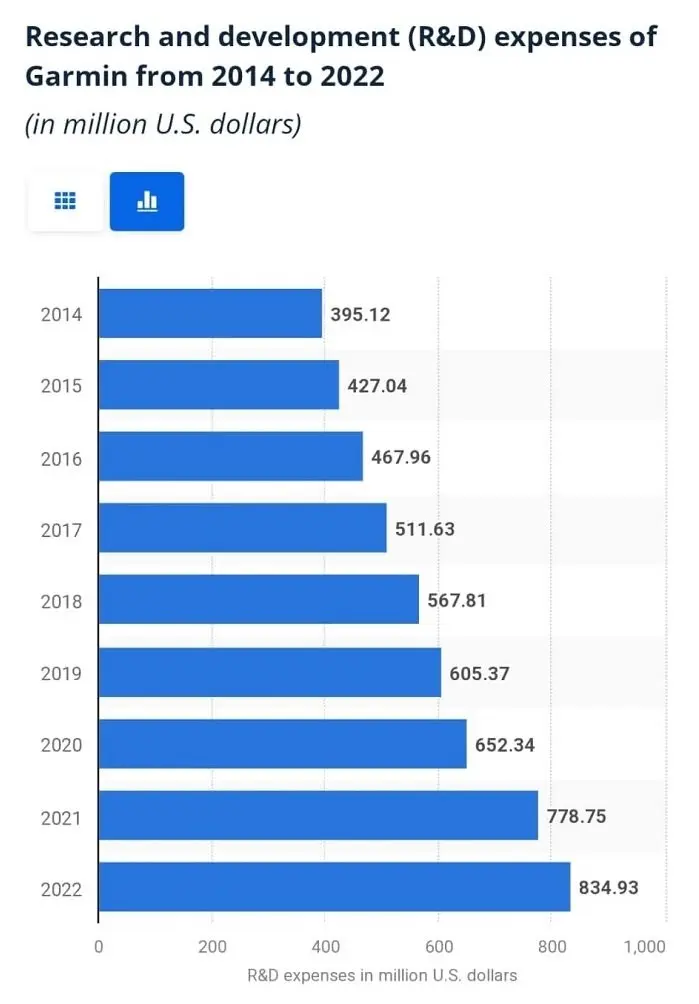
Improving existing products is in Garmin’s DNA, which spends a large part of its budget on R&D, with no less than 834 million dollars dedicated to this area in 2022, representing approximately 20% of its turnover (see table below for budget evolution over the years).
A large part of the brand’s work is focused on intuitiveness. And the designers keep this goal in mind to transform it into it’s complicated to make it simple, explaining that this is one of Apple’s successes. A corollary of this research, Garmin knows very well that if some users only use 10% of the device’s capabilities, 100% of the demands must be met.
However, Garmin seeks to go beyond demands. For example, below are some new features from the brand that were not actual requests from athletes:
-Stamina, which ultimately represents the rider’s energy level.
-Climb Pro, as described above. Recently, this function uses all possible mapping files even if the GPX track is not integrated into the device. Cyclists can thus know precisely the climb they are approaching, even if it’s the first time.
-The Varia radar/light, which allows motorists to see the cyclist while indicating to the cyclist how far away the car is. Here, it’s more a response to a safety need than an actual request formulated by cyclists.
-Live Track
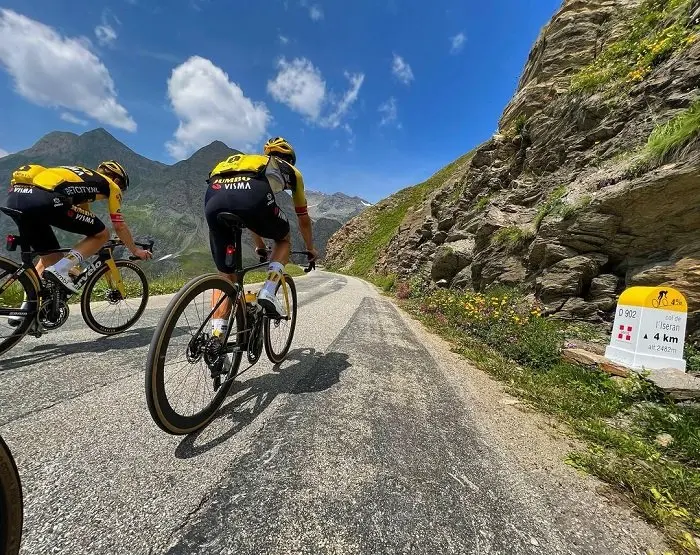
Furthermore, other existing aspects are being improved. For example, the Vector power meter, whose first versions were not satisfactory, with returns to SAV and random measurement accuracy, or the creation of routes on Garmin Connect, which has become more precise and intuitive while allowing easy gateways with other applications like Strava.
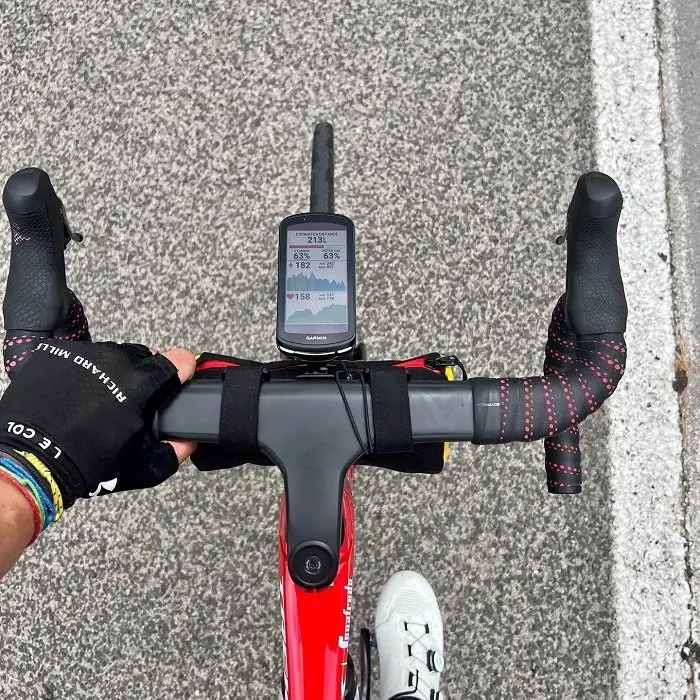
Thus, the quest for improvement is constant, for example, the integration and development of the processor and coding. Here, everything is thought out upstream, which can lead to periods stretching over one to two years for a new product. Conversely, lighter development remains possible, such as, among many others, displaying a screen for 15 seconds longer than usual for a given function.
To participate in this development, a “simple” user can become a beta tester by using future software in their practice. Registration can be done directly on the Garmin website or forum. This naturally comes with customary precautions related to possible bugs, which do not, however, hinder use but may occur during testing. In this regard, professional cyclists do not have time to do this “work” and generally always use a product validated upstream. More generally, they prefer not to bother with a product that does not work, which could even lead to a bad experience, discouraging them from continuing with the brand or product.
Directly linking a more general public use beyond cycling, a story can be told regarding the development of a feature for runners: Garmin had decided to use LED lighting for its watch. In use, user feedback exceeded expectations. Initially, athletes wanted a physical button to turn it on, with the option of white or red lighting, as well as a perfectly waterproof finished product. Quickly, developers realized that this seemingly easy-to-meet specification led to more complicated consequences than expected. It was necessary to call on LED suppliers for energy and power, two essential aspects, and therefore for the battery, which had to be carefully selected. Then, how to integrate sunset so that, if necessary, the light would turn on. Another step was to source a stock of LEDs. Finally, extensive research concerned the integration of an external battery to triple the autonomy. In the end, ultra-distance trail runners, in particular, are fond of this product, but its “genesis” involved many months of improvements and various research.
Thus, globally, Garmin plays on many fronts to successfully improve its products. For today’s cyclist, the information provided by a Garmin bike computer is extensive. It concerns first and foremost safety (Varia radar or Live Track potentially), but also the creation and tracking of a GPS route, the collection of data allowing training with “live” information related notably to power, or even the management of effort (Climb Pro and Stamina). While these contributions implemented on bike computers over the course of new model releases are not directly due to professionals, the latter immediately use the improvements in their practice. And if all professionals explain that “it’s getting faster and faster,” it is clear that the overall progress of information provided on GPS bike computers also plays a certain part in this.
=> SEE ALSO: All our Dossier articles
Share the post "Garmin and the Pros: Constantly Improving Performance"