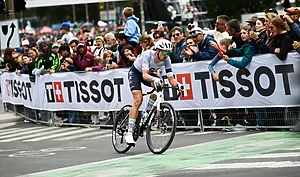
Share the post "Cyclists, take care of your bones!"
Did you know? Road cycling, for many considered the royal road to ultimate physical fitness, can now be associated with an unsuspected risk… osteoporosis (a bone disease characterized by a decrease in bone density), which causes bones to become very thin and fragile over time. However, before putting your bike away, we try to offer you solutions to keep your bones in ironclad health.
By Jean-François Tatard – Photos: depositphotos.com/DR
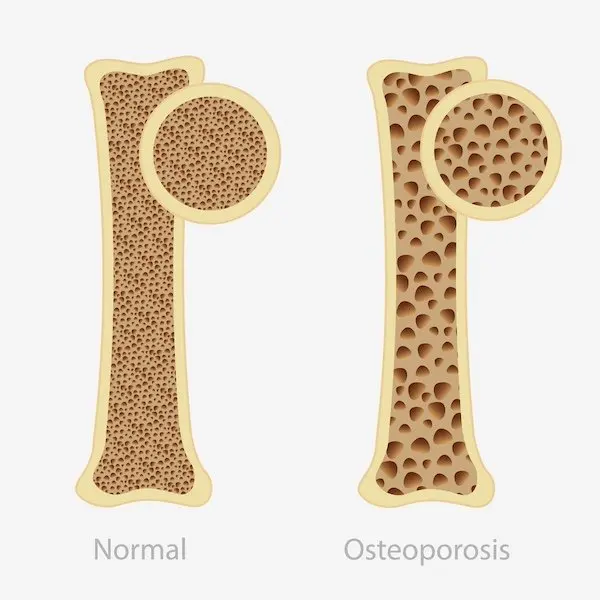
While cycling remains an exceptional way to improve cardiovascular health, the risk of osteoporosis threatens road cycling enthusiasts. Cycling is a non-weight-bearing sport, which is an advantage for protecting joints, but the absence of repeated small impacts on the skeleton decreases bone density. Osteoporosis, often associated with low bone mass and increased fragility, could become the hidden side of your passion for the road.

The numbers speak for themselves: a decrease of just 1% in bone density increases the risk of fracture by up to 5%. In a study comparing competitive cyclists to other athletes, the former showed significantly lower vertebral bone densities despite higher calcium intake. The paradox lies in the lack of impact characteristic of cycling, especially in the lower back, an area that remains static on smooth roads. This lack of impact, while favorable to older cyclists, can contribute to low bone density.
And for some of us, often pushing their limits even further, this can be exacerbated by not consuming enough essential nutrients for bone formation. Vitamin D and calcium, essential for strong bones, can be burned at a frantic pace during intense training.
=> SEE ALSO: Can you be good at both running and cycling?
We have already touched on this subject in a previous article, but it is essential to reiterate it: the key to facing the challenges of osteoporosis may well lie in cross-training. Imagine this as your personal shield against the negative impacts of exclusive cycling.
Balancing the body, strengthening the bones
By skillfully integrating weight-bearing exercises into your routine, you create bone armor against potential risks. Activities like running, boxing, or even specific strength training exercises, challenge your bones in different ways. This not only promotes bone density but also strengthens areas often neglected during exclusive cycling.

Optimizing resistance with variety
Diversifying your training offers a double advantage. On the one hand, it strengthens bones by providing varied stimulation, and on the other hand, it improves muscular and joint resilience, thus reducing the risk of injuries related to exercise monotony.
Beyond the physical benefits, cross-training expands your repertoire of physical abilities. It can stimulate motivation by adding a fun dimension to your training program, adding a touch of excitement to each new activity.
=> SEE ALSO: Diversify your winter training with alternative disciplines
The benefits don’t stop there. By incorporating varied exercises, you also reduce the risk of overuse and cycling-specific injuries. You provide your body with the diversity it needs to thrive, while preparing it to meet the challenges of the road more resiliently.
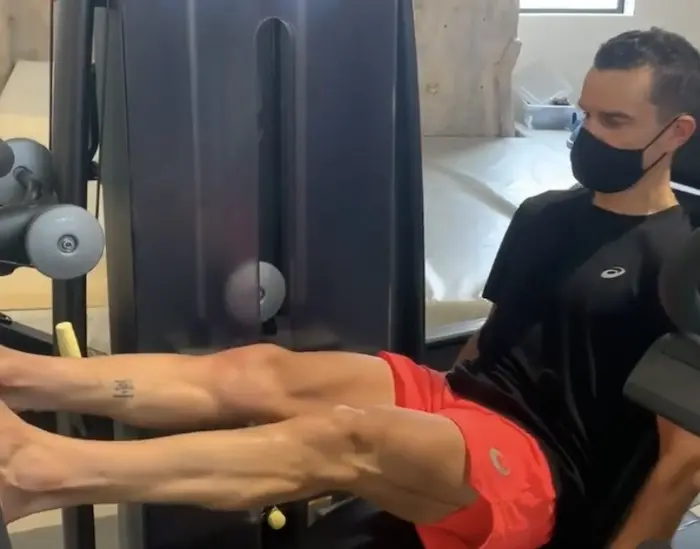
In short, cross-training is not just a pragmatic solution to counteract the deleterious effects of exclusive cycling, it is an invitation to push your limits, sculpt a stronger body, and embrace athletic versatility. Consider it the fundamental pillar of your constant quest for optimal bone and physical health.
Cycling should not be synonymous with bone fragility. By adapting your practice, you can maintain strong bones and continue to pedal towards ironclad health. Make cycling a smooth adventure for your bones!
=> SEE ALSO: All our Coaching articles

Share the post "Cyclists, take care of your bones!"