Share the post "First Test Ride of the New Orbea Orca"
Twenty years ago, Orbea launched its first Orca, a lightweight and affordable road bike designed for climbers—or those who wanted to become climbers. Today, the Spanish manufacturer is celebrating this milestone by unveiling the seventh generation of one of its most popular models. A sleek and lightweight bike true to its roots, which we had the chance to test in advance—both in its top-of-the-line version and in a more affordable model.
By Guillaume Judas – Photos: Orbea / NVCR 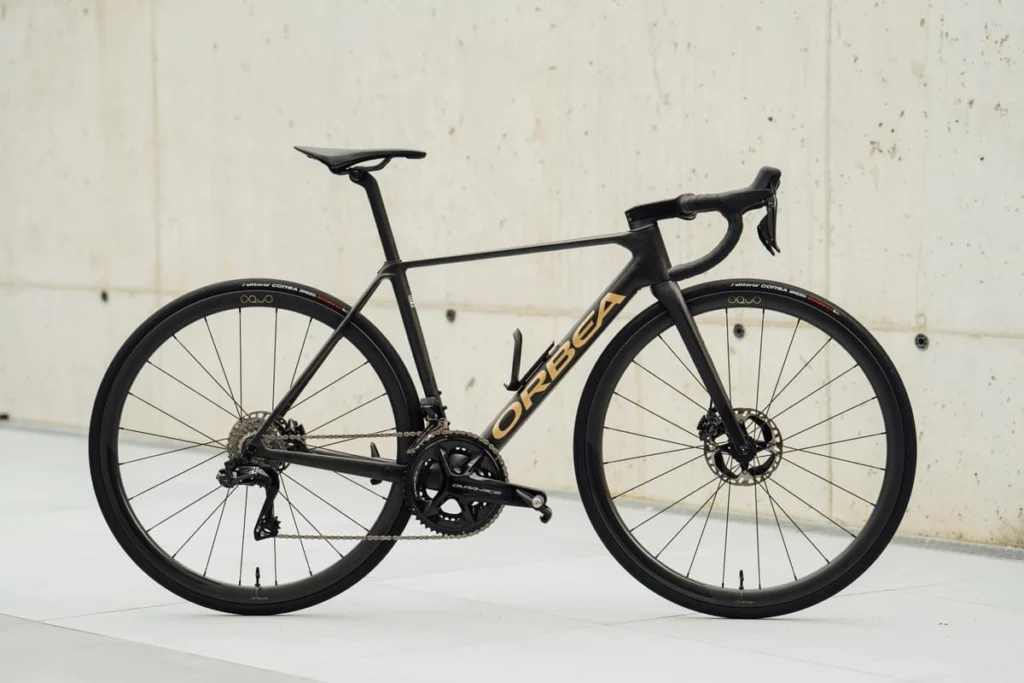
The Orca name is inextricably linked to Orbea, as the Basque company’s iconic model has left a lasting impression for 20 years—dating back to the era of the famous Euskaltel-Euskadi team and its orange-jerseyed climbers Iban Mayo, Samuel Sanchez, Roberto Laiseka, Haimar Zubeldia and Egoï Martinez—all of whom distinguished themselves in the Tours de France of the 2000s. The original Orca was already a lightweight, responsive bike built to tackle the toughest climbs, which also—paradoxically—made it accessible to a wide audience. Thanks to a retail price that has always been competitive with the competition for the general public, the Orca has thus become one of the most popular sports road bikes of the past two decades, spanning its first six generations.
While many brands have chosen to offer versatile high-end bikes thanks to technological advances in recent years, Orbea remains true to its convictions as it unveils the seventh generation of the Orca. Orbea prefers to focus on the model’s proven strengths and optimize them to the fullest. We’re talking about weight savings, agility, and comfort. This new Orca is still complemented in the Basque brand’s lineup by the Orca Aero, a bike that’s already highly effective in its niche—and one that Orbea felt didn’t need replacing.
A pure climber 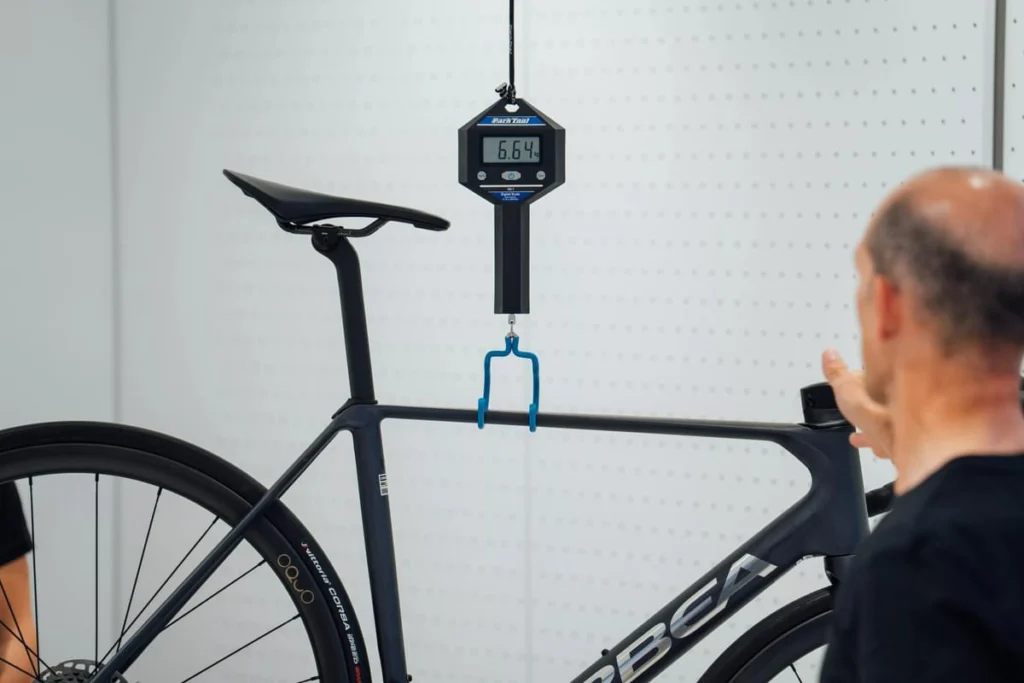
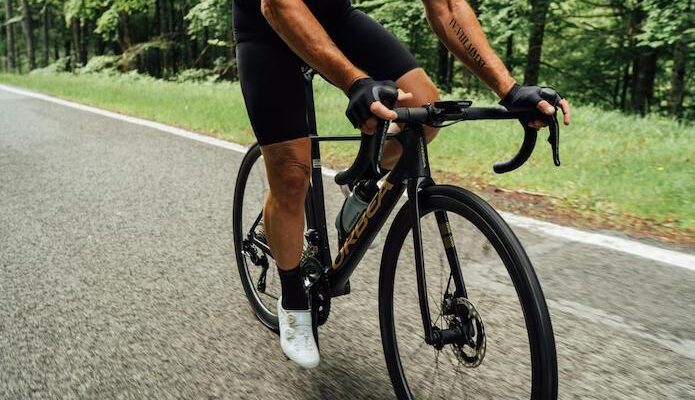
This new Orca is a bike for those who love climbing and are looking for the ideal bike to tackle mountain passes. But it’s also a bike for cyclists who appreciate easy accelerations, the liveliness, and the responsiveness that only a truly lightweight bike can offer. And all of this while incorporating, across every model in the lineup, the latest technologies designed to enhance confidence, comfort, and safety—namely electronic shifting, disc brakes, and the clearance needed to accommodate tires up to 32 mm wide.
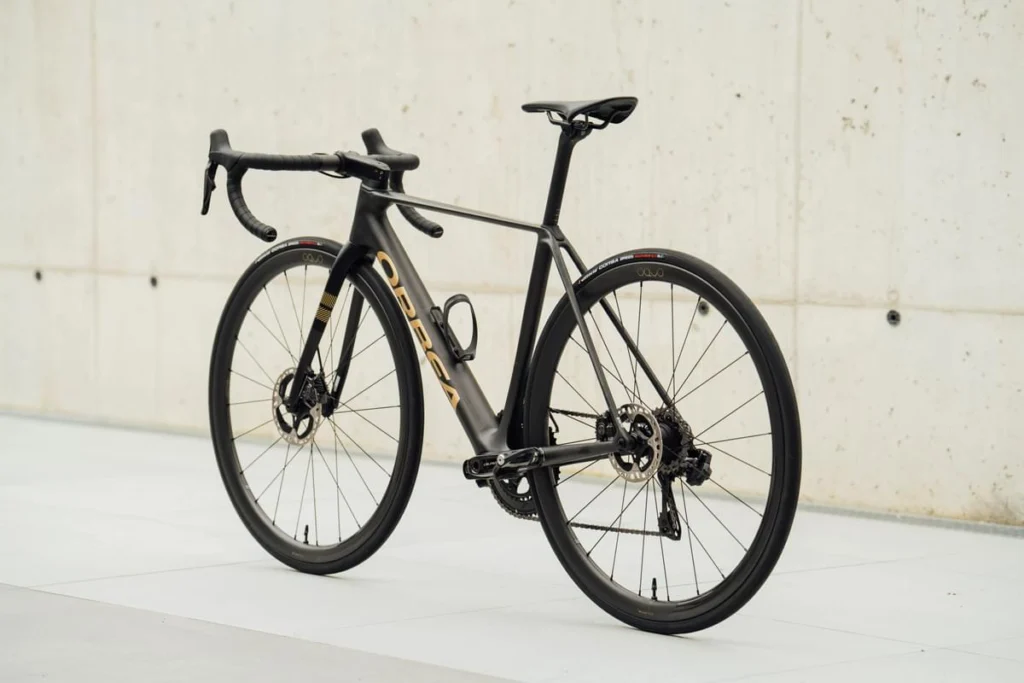
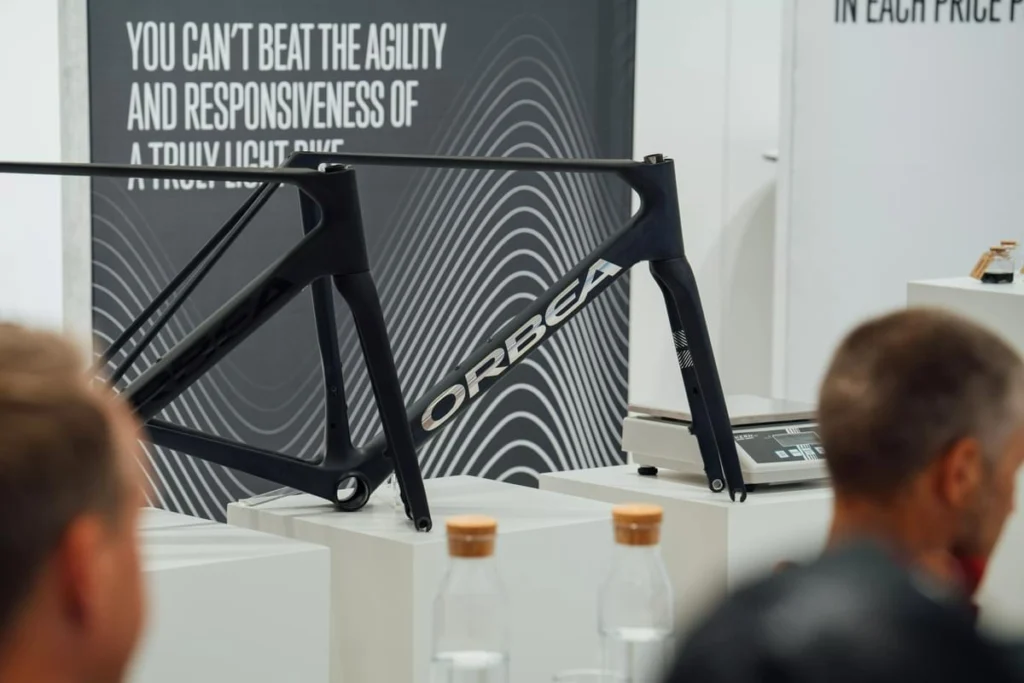
The new Orca is offered in several versions, all based on two types of carbon fiber frames: OMX (the top-of-the-line model) and OMR. At Orbea, OMX is more than just a material; it’s above all a manufacturing process that brings together the very best the bike industry has to offer today to deliver a frame that’s lightweight and durable, yet stiff where needed and more flexible where it’s most useful to achieve the desired characteristics. The bare OMX carbon frame weighs 750 g in size 53 (360 g for the fork). For the OMR carbon version, the weights are 1,030 g and 410 g. The weights of the complete bikes in the lineup range from 6.64 kg (without pedals) for the OMX model with Shimano Dura-Ace Di2, priced at €10,999, to just under 8 kg for the OMR model with Shimano 105 Di2 and aluminum wheels, priced at €3,399.
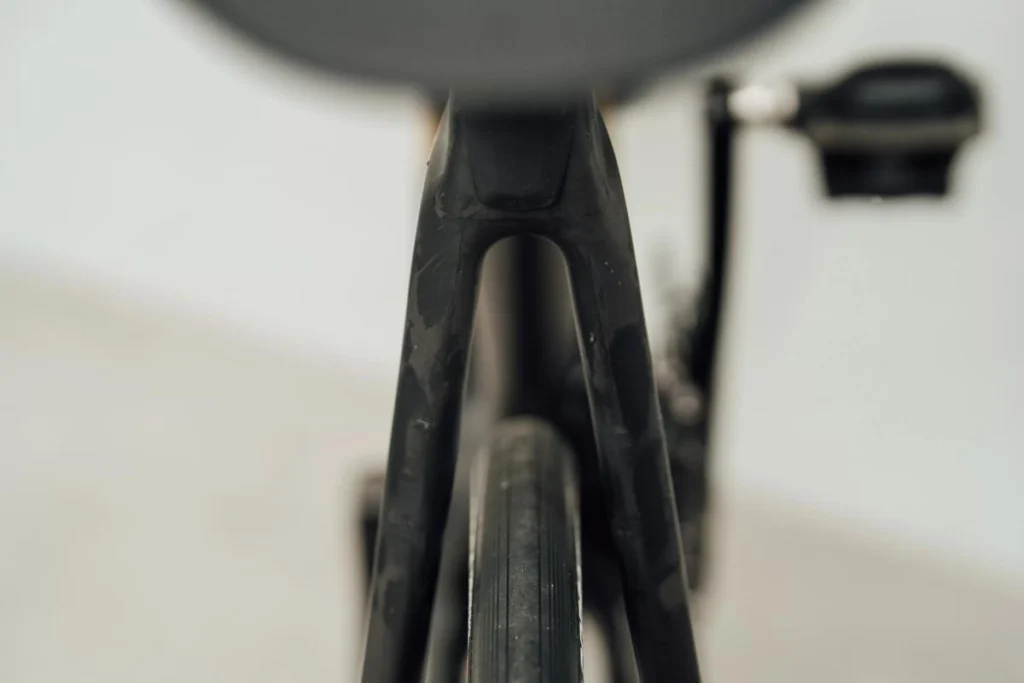
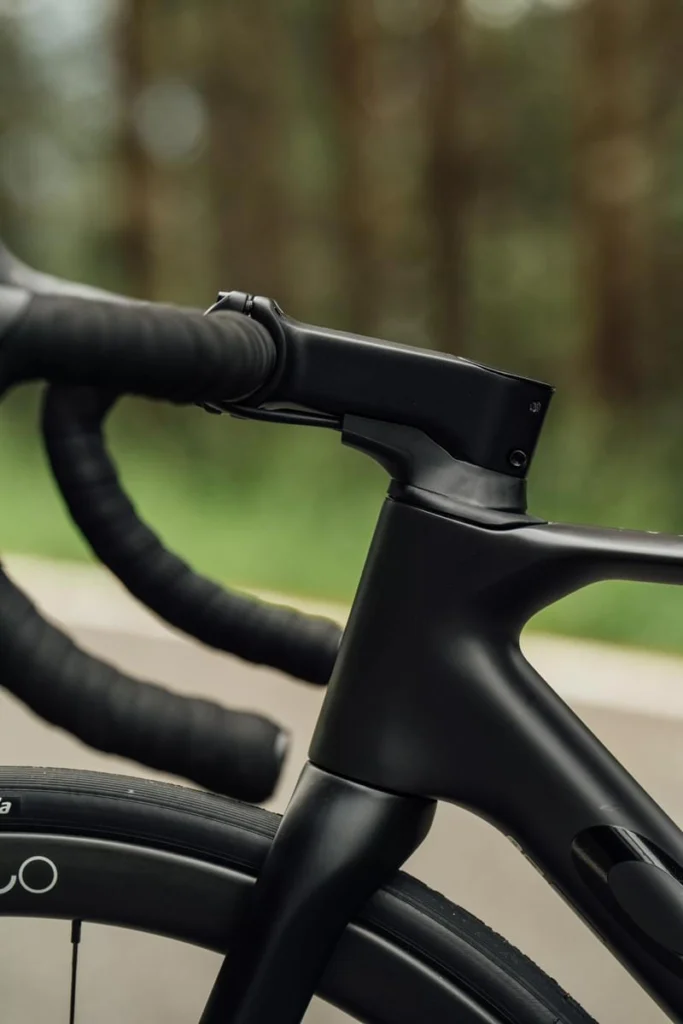
According to Orbea, the new Orca saves 3 watts on a 5% grade compared to an aero bike, and 6 watts on a 10% grade, for an average rider. As a result, the brand deemed it unnecessary to add features that might improve aerodynamics at the expense of weight, which could have compromised the bike’s character. Nevertheless, during the design process, the most aerodynamic solution was chosen whenever it did not compromise weight or the desired riding feel. The first thing that comes to mind is the integration of the brake hoses into the head tube—a feature carried over from the previous Orca model—but also the new seatpost clamping system and the fork’s carefully engineered shape for airflow.
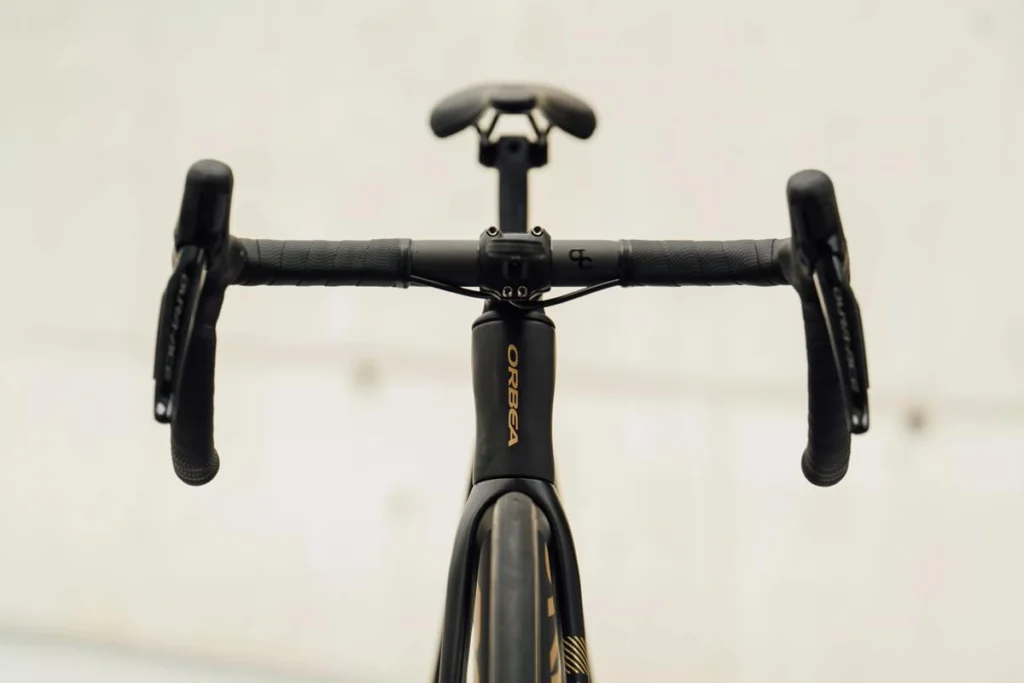
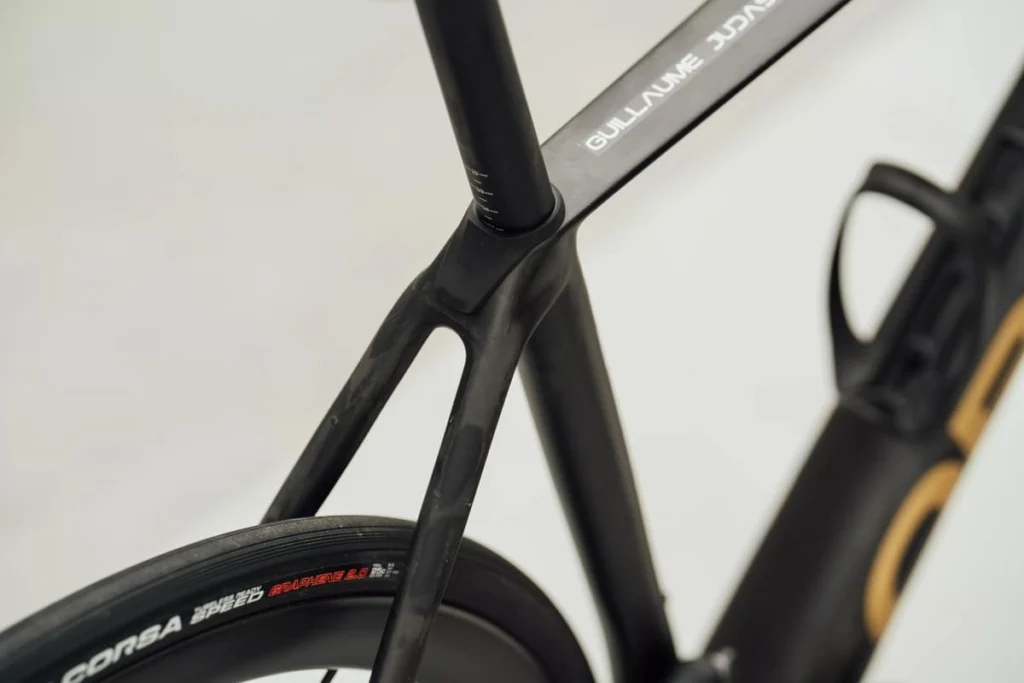
The Orca is also eligible for the MyO program, which allows you to customize many aspects of the bike when ordering, such as colors, wheel options (higher or lower rims), tires, the saddle, and gear ratios. This makes the bike truly unique—as is the case with the Orca OMX, which we had the chance to test during the bike’s unveiling. As standard, two different color schemes are available for the OMX, and three for the OMR.
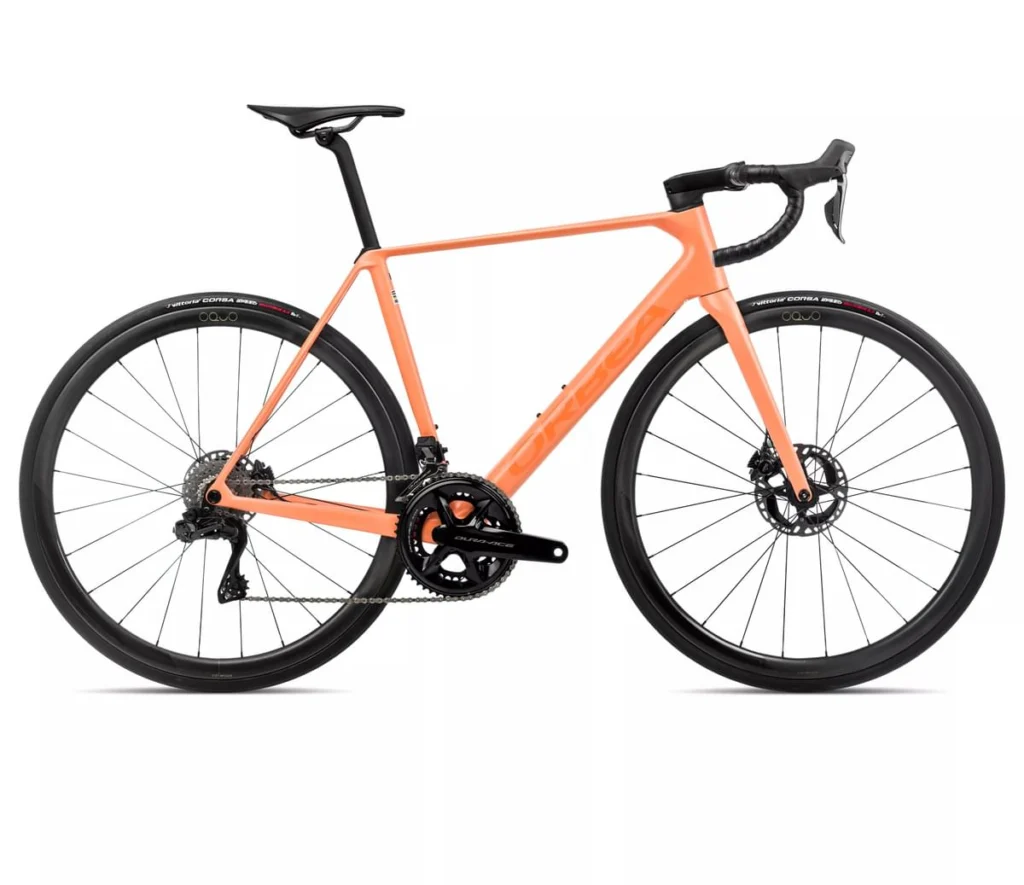
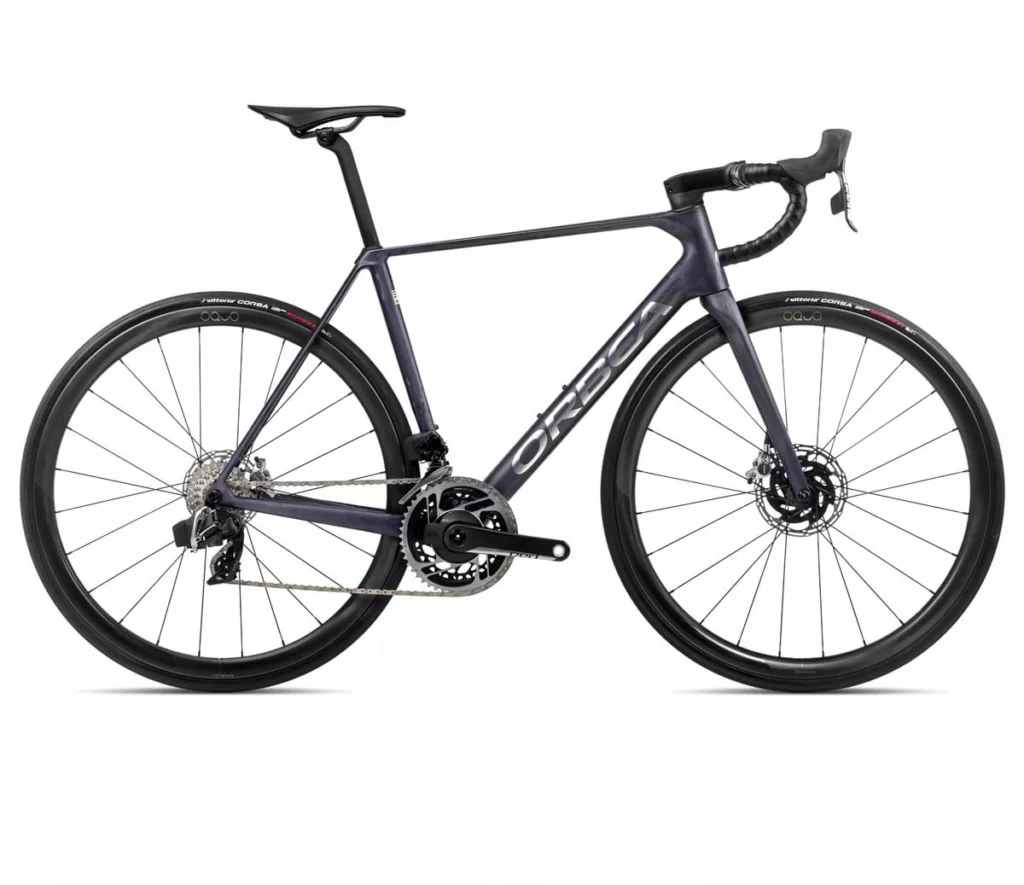
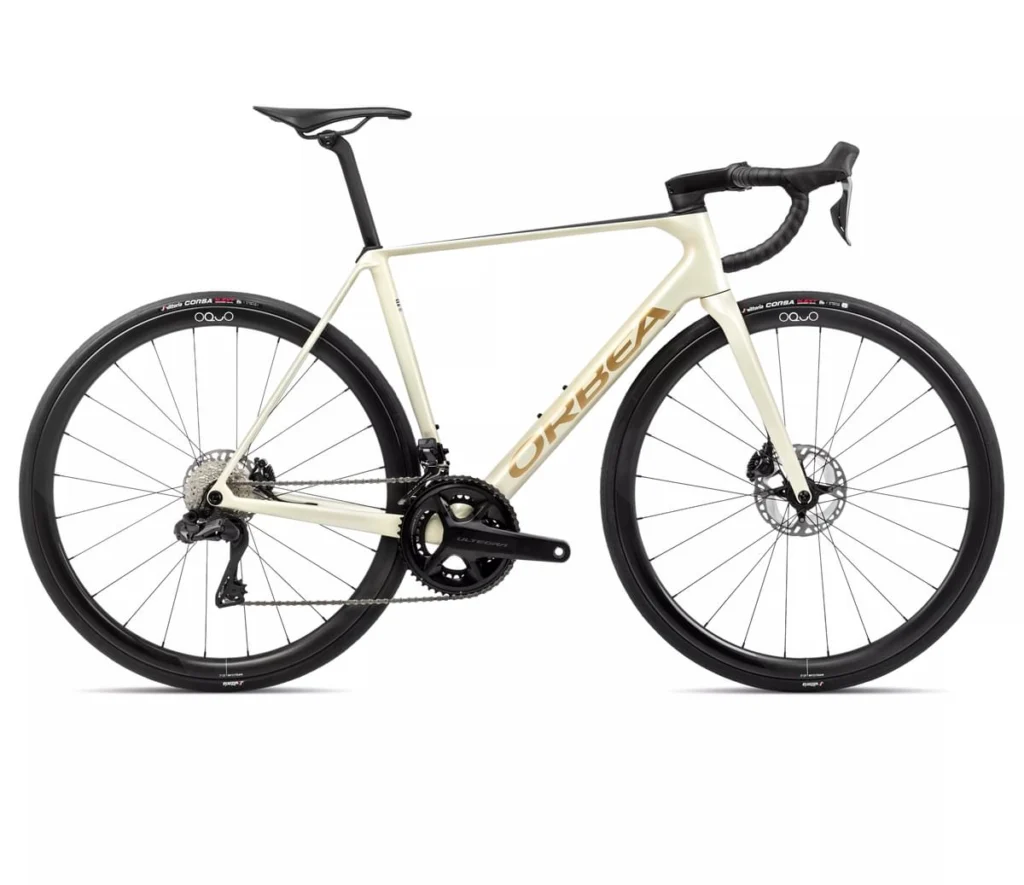
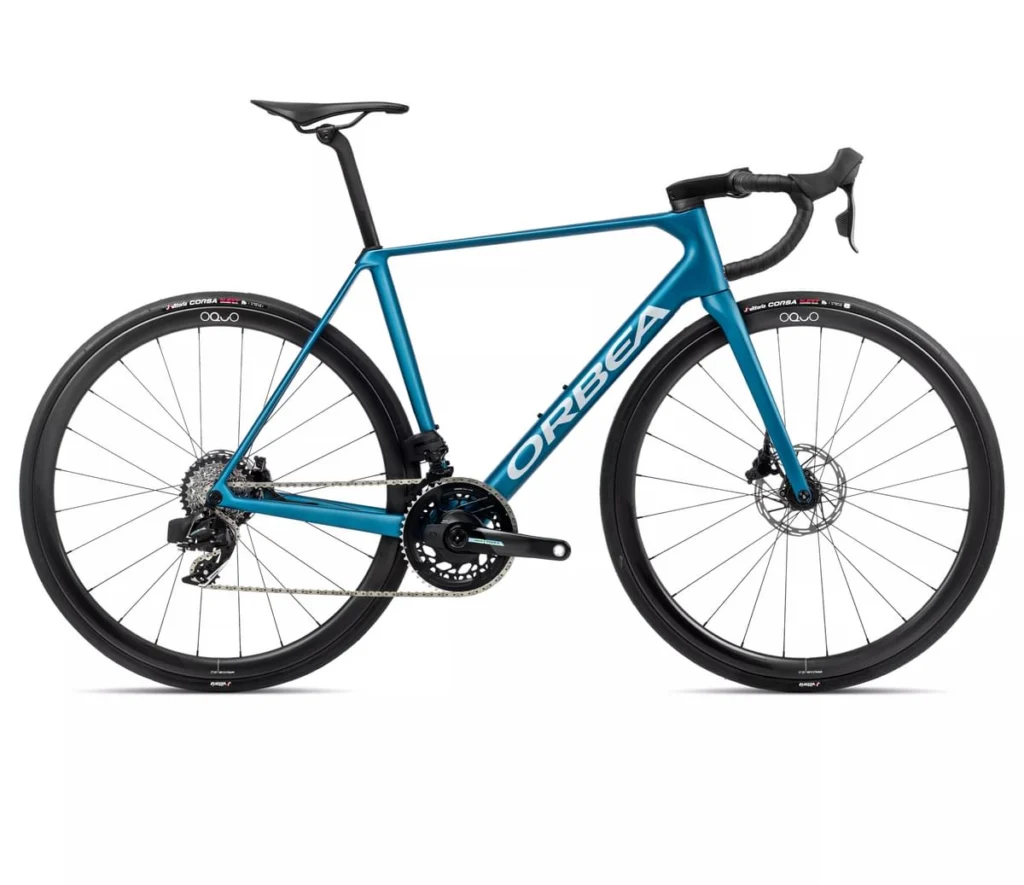
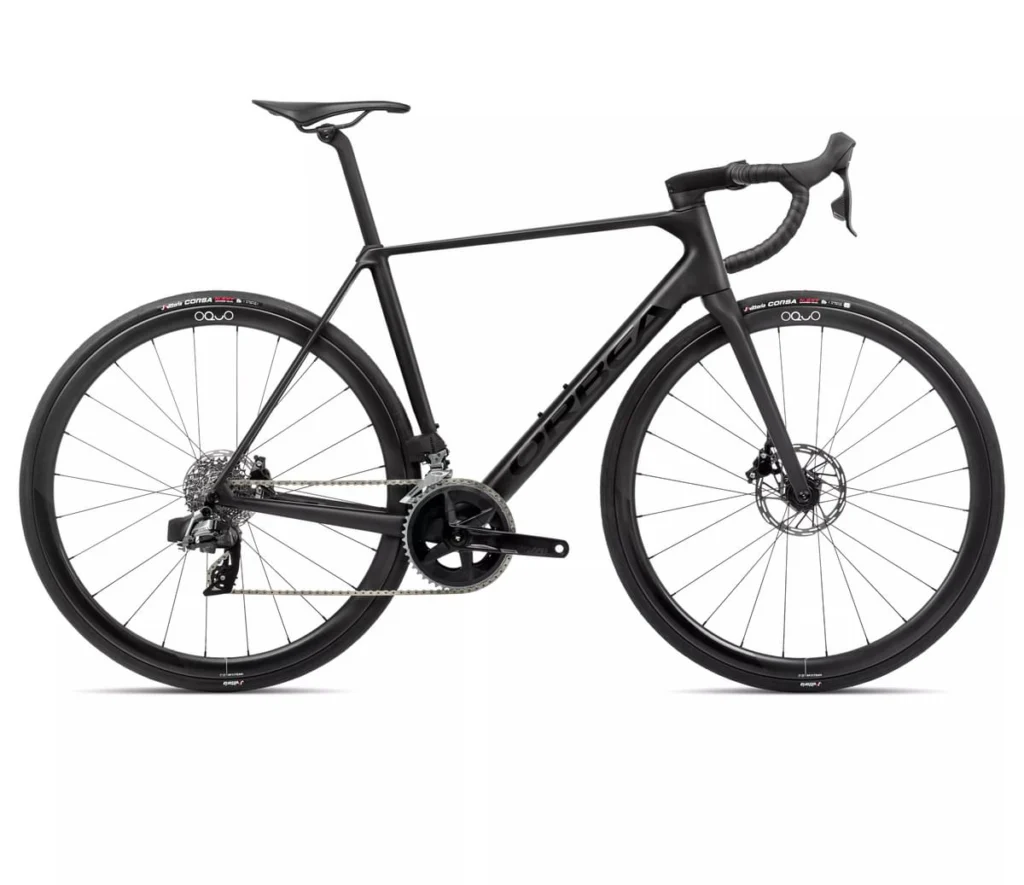
How was the weight reduction achieved? To reduce the frame’s weight, Orbea drew on all its expertise to optimise every detail of the design, starting with the number of carbon parts used—90 fewer than in the previous version of the top-of-the-line OMX. The use of larger, precision-cut carbon parts eliminates overlaps between the various components that make up the frame, thereby saving weight by reducing the number of layers. The brand also notes that it has carefully studied the frame’s geometry to minimize the buildup of epoxy (necessary to bond the carbon parts) along sharp edges or in corners.
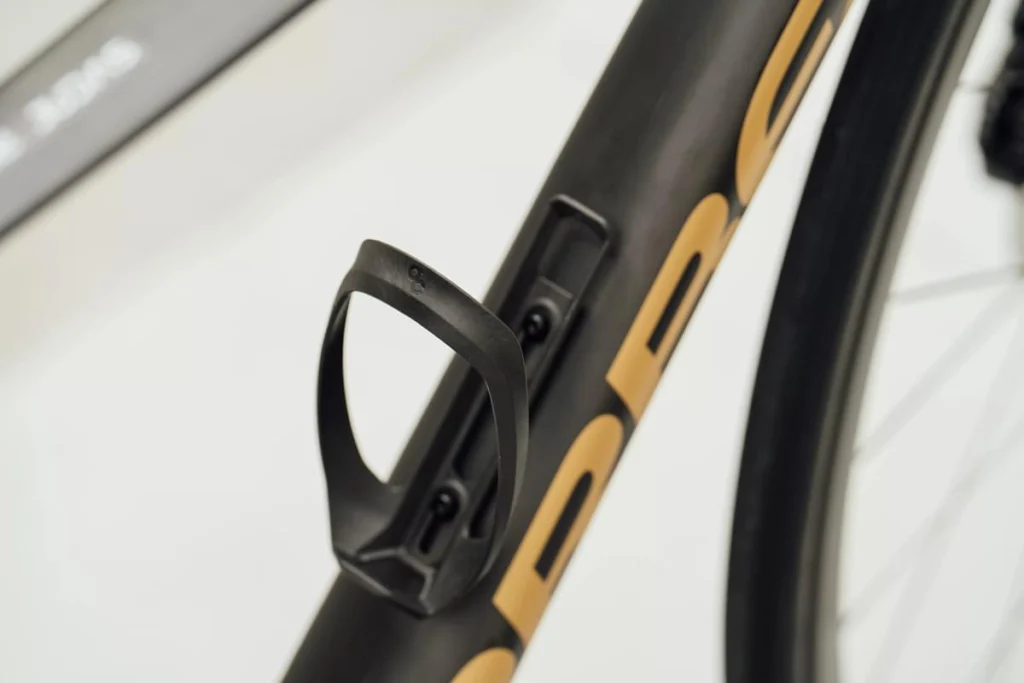
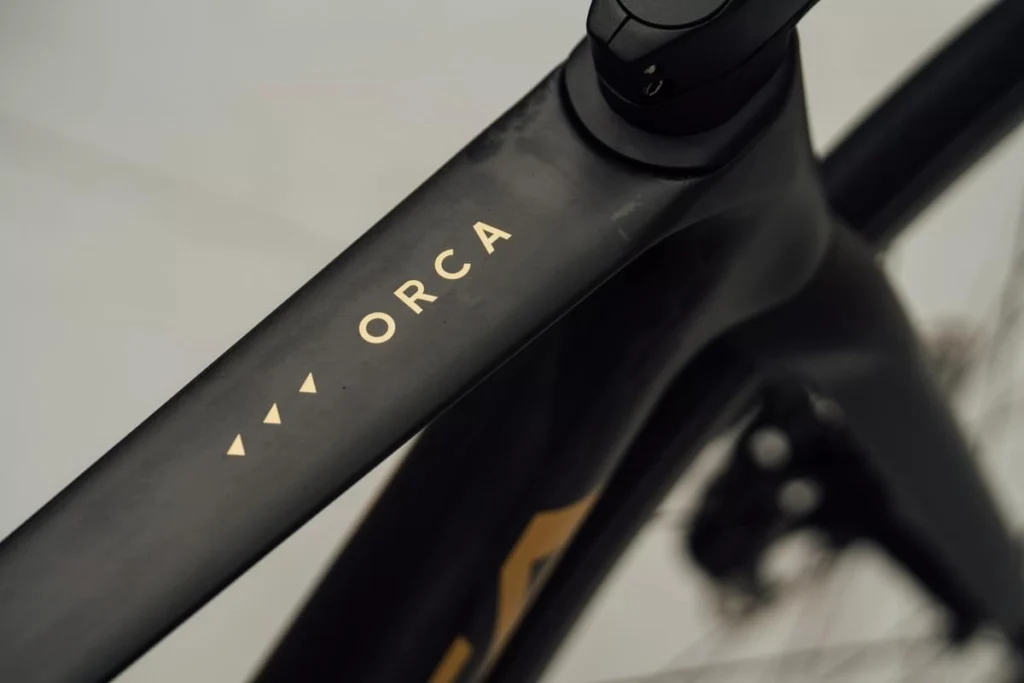
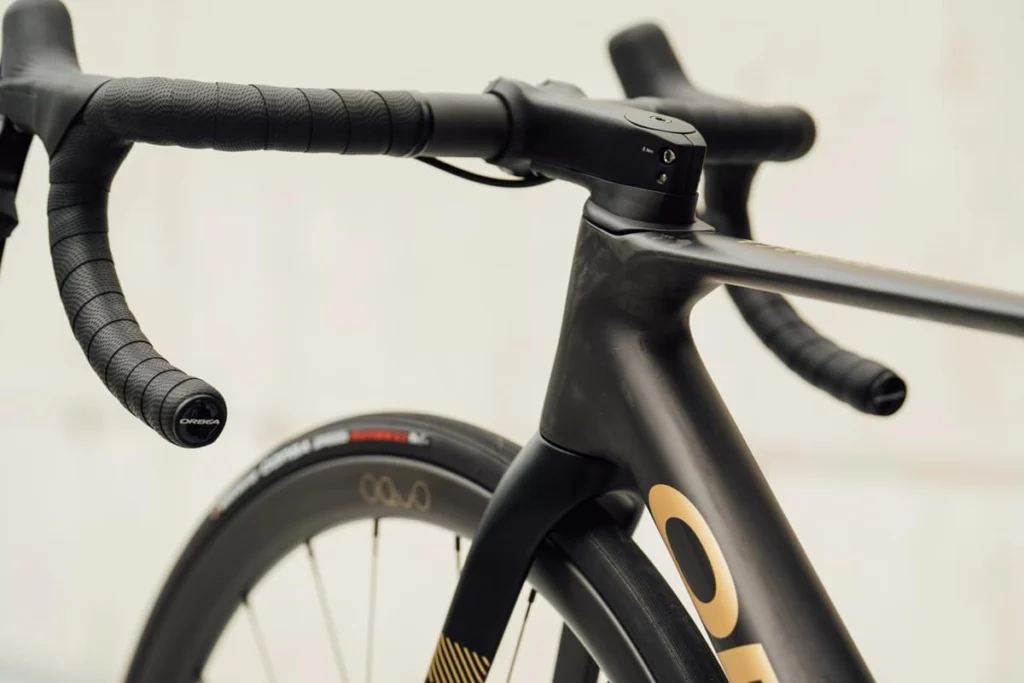 The paint and hardware are also important for keeping weight in check. The frames are painted at the brand’s headquarters in the Basque Country. This allows Orbea to closely control the process and further reduce weight, with the paint weighing only about 15 grams and the frame hardware about 20 grams.
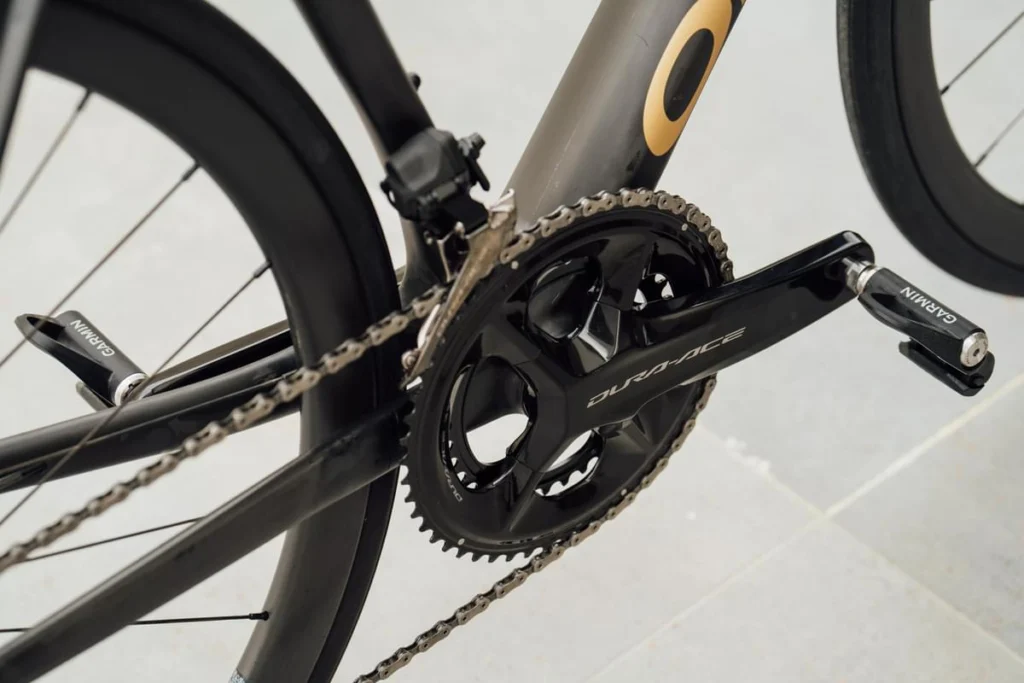
But when designing the new Orca, Orbea was never tempted to go too far at the risk of compromising the proper balance between stiffness and weight. When designing the Orca, the engineers started with a specific stiffness target so that even the world’s best climbers could rely on efficient power transfer. The Orca was then developed to be as light as possible without compromising that goal. The frame features a lower structure with solid, rigid tubes for the head tube, down tube, and chainstays to resist torsion and transfer power to the rear wheel, while the other parts of the frame account for most of the weight savings.
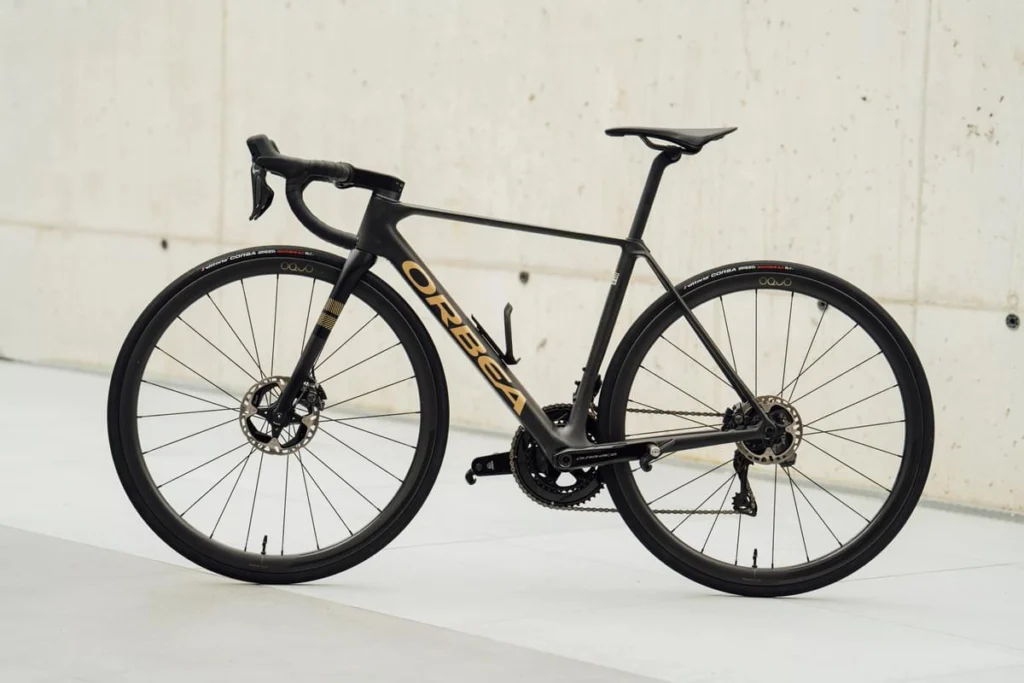
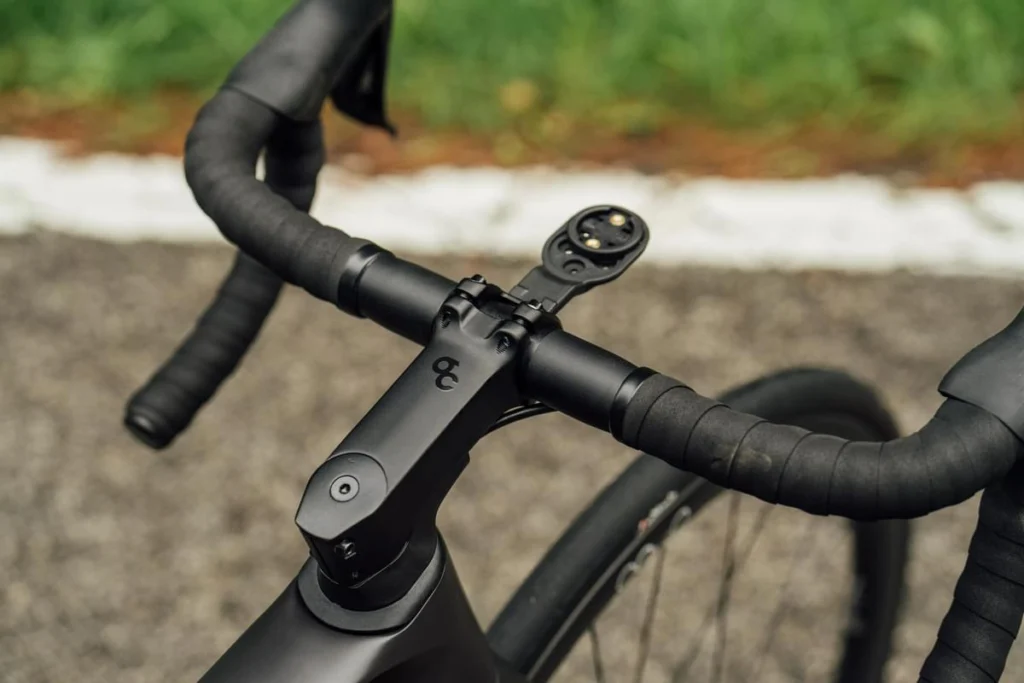
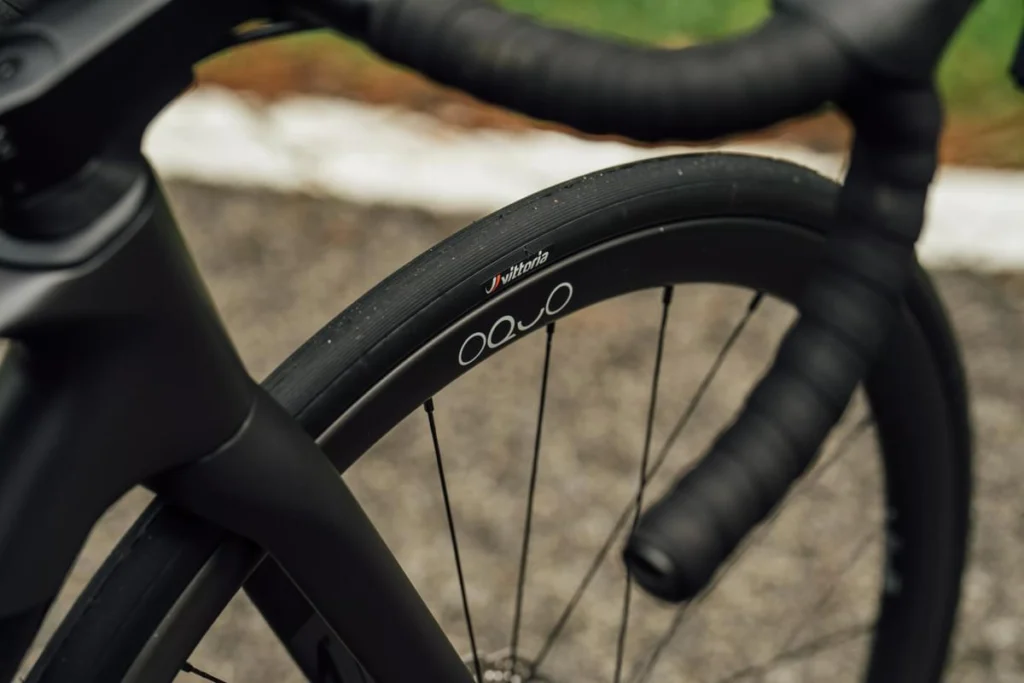
Finally, to reduce weight on the complete bikes in the Orca line, Orbea now relies on its Oquo wheel brand, which offers three trim levels (LTD, Team and Pro), and rim profiles of 35, 45 and 57 mm. The RP35-LTD wheelset weighs just 1,380 g per pair. The brand’s OC RP10 stem is also one of the lightest on the market, and the new OC HP11 handlebar weighs just 190 g.
 Agile and responsive
On the road, the new top-of-the-line Orca stands out for its responsiveness and ease of handling, regardless of the pace. From the moment you start riding, the bike’s maneuverability and smoothness are noticeable, encouraging you to accelerate. Compared to the previous version of the Orca, it feels livelier, but also less stiff to get moving. Weighing nearly a kilo less (complete bike), it’s clearly in a different league. It feels lighter on climbs and also demonstrates greater flexibility on the flats when in a higher gear, with less stiff steering. So, from our perspective, it’s slightly less versatile—but that’s also the intended goal: to make it, above all, excellent on climbs. And this overall agility also makes it very accessible at a more leisurely pace, since—thanks to its smooth, gliding ride—the bike seems to adapt perfectly to your mood (or fitness level) at any given moment

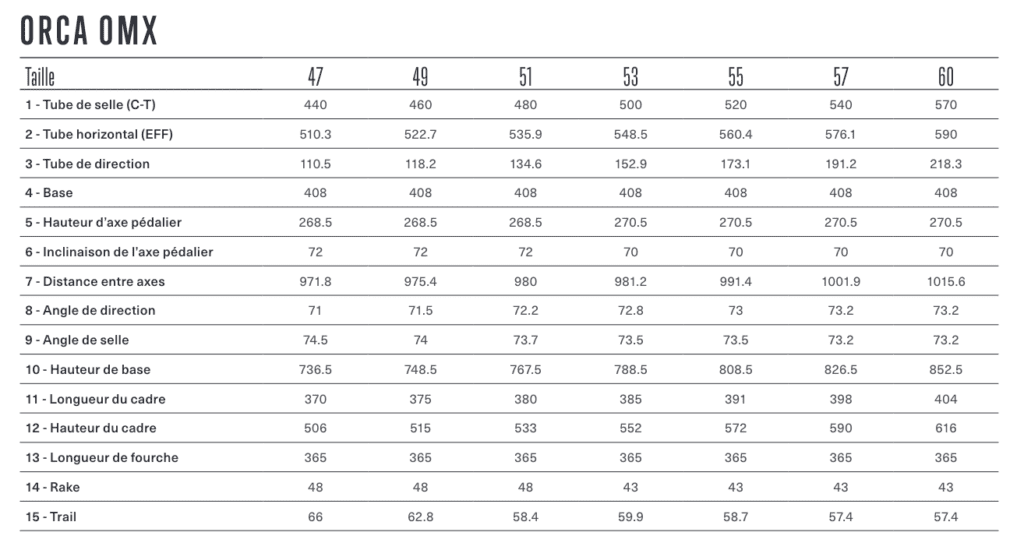
The geometry is identical to that of previous Orca models and offers a fairly sporty riding position. That remains the bike’s core purpose. However, with slightly shorter chainstays and wheelbase on this new Orca, Orbea sought to further enhance the bike’s responsiveness during weight shifts or changes in direction. The bike is easy to handle and doesn’t require perfect coordination to ride aggressively during a ride. That’s also what makes it so accessible to riders of almost all skill levels.
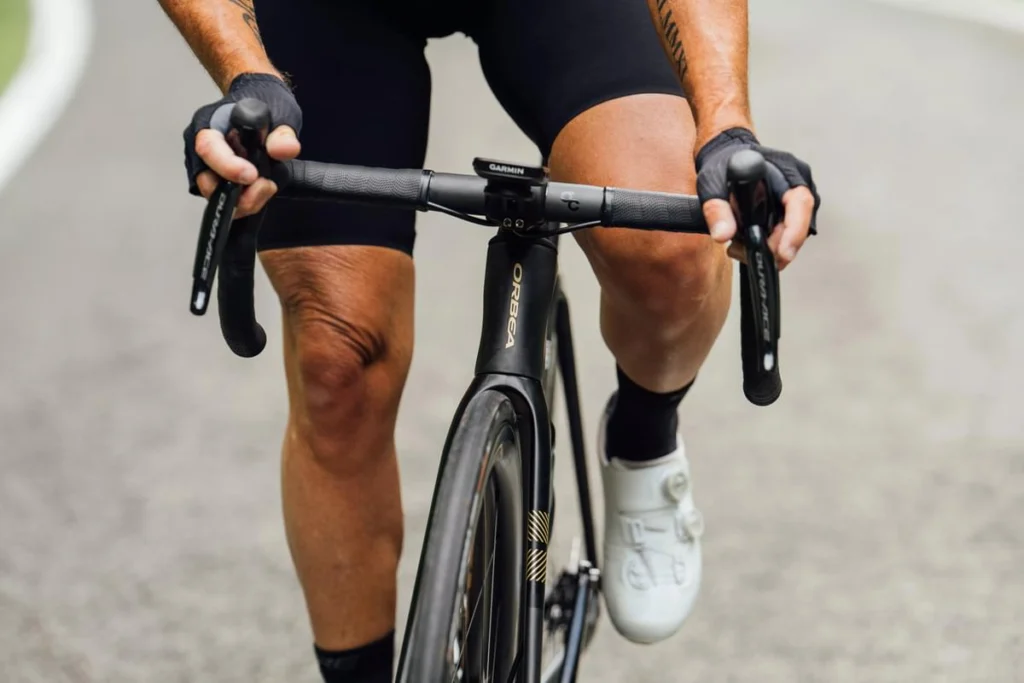
The component spec on this M10iLTD model, priced at €10,999, also plays a role in the bike’s ride feel. The Oquo RP35 LTD wheelset is very lightweight and responds instantly to even the slightest change in pace. The 700×25 Vittoria Corsa Speed tubeless tires offer the lowest rolling resistance on the market, and the 12-speed Shimano Dura-Ace Di2 groupset is state-of-the-art.
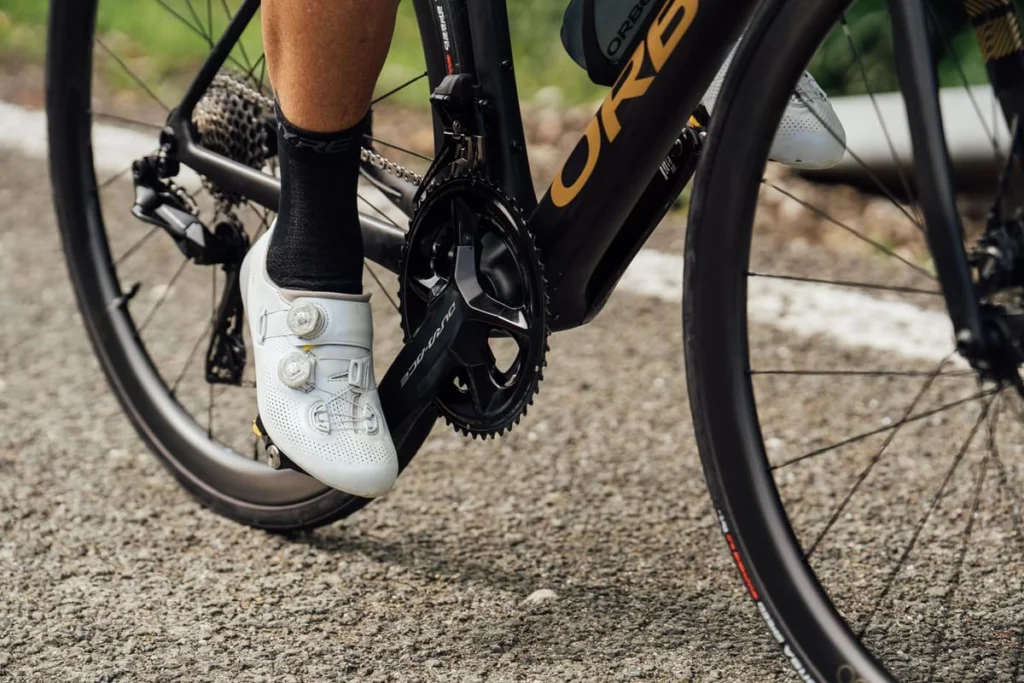
In terms of comfort, the bike in this configuration feels quite forgiving and doesn’t make you pay for its light weight with constant jostling over road imperfections. Riders who want to venture onto rougher roads than the foothills of the Pyrenees—where we tested the bike—can always opt for 28-, 30-, or 32-mm-wide tires, as the Orca allows. Ultimately, this remains the most effective way to absorb vibrations, provided the tire pressure is adjusted to match the tire width.

After an initial ride in the mountains with the top-of-the-line model, we were also able to ride in nearly identical conditions with one of the entry-level models, featuring an OMR frame, a Shimano 105 Di2 groupset, and Oquo RP35 Team carbon wheels: the M35i, priced at €4,399.
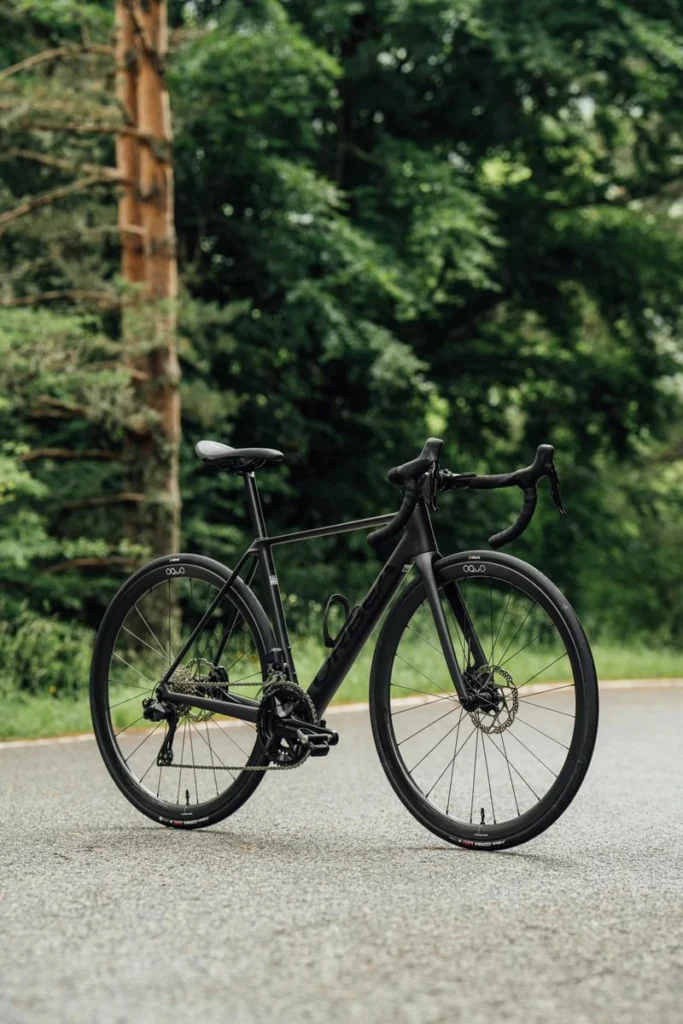
This bike weighs one kilo more than the M10iLTD but offers most of the features of the top-of-the-line model (frame shape and geometry, Di2, disc brakes, carbon wheels), just not taken to the absolute extreme. The result is a bike with exceptionally consistent handling—smooth, quiet, precise, and reassuring—and only slightly less responsive than the top-of-the-line version. The difference in responsiveness is noticeable during accelerations on steep climbs, where the bike feels slightly less lively, but the key characteristics of the new Orca remain intact.
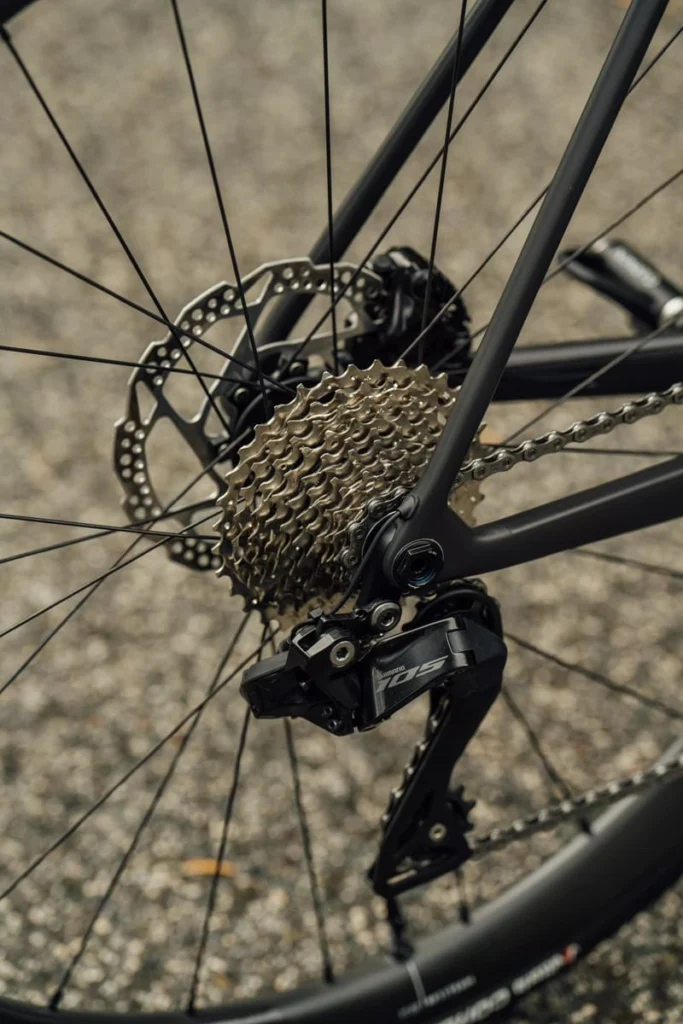
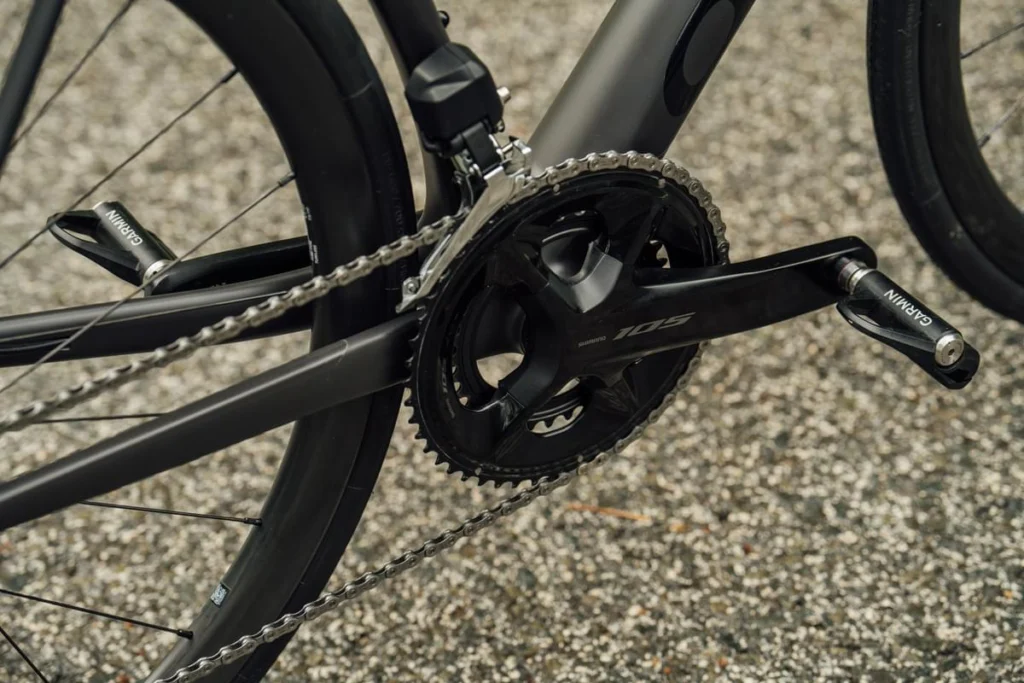
 The 105 Di2 works like a charm, but its options limit the available gear combinations (50-34 or 52-36 for the chainrings and 11-34 or 11-36 for the cassette), which effectively makes it best suited for those seeking versatility on various terrains rather than serious competitors.
Our take on the new Orbea Orca With this new Orca, Orbea has chosen to amplify the climbing capabilities of its flagship model in terms of design and handling, perhaps at the expense of the versatility offered by the previous model. It’s a lightweight, lively, and responsive bike that brings to mind the very first Orca, released 20 years ago, but with all the latest technology.
As a result, it’s a highly efficient bike for climbs for elite athletes, and above all, very easy to ride on all terrains for riders of all levels. The entry-level models in the lineup are well-designed and let you enjoy these features without necessarily spending a fortune. A future best-seller.
| The new ORBEA ORCA at a glance… Pros: weight, handling, build quality, affordability, consistency across the lineup Cons: less versatile than the previous version Models and prices
Sizes: 7 – Weight: 6.64 kg for the M10iLTD (size 53, without pedals)
Contact: www.orbea.com |
=> SEE ALSO: All our Equipment articles
Share the post "First Test Ride of the New Orbea Orca"