Share the post "The importance of choosing the right gear ratios"
The choice of gearing on a road bike is crucial for cyclists looking to optimize their performance and maximize their speed on all types of terrain. Gearing (or “gear ratios,” or “speeds”) determines the frequency at which the cranks turn and is decisive for the speed and efficiency of the pedal stroke. In this article, we will examine the factors to consider when choosing the best gearing for a road bike.
By Isidore Aramis – Photos: ©3bikes.fr
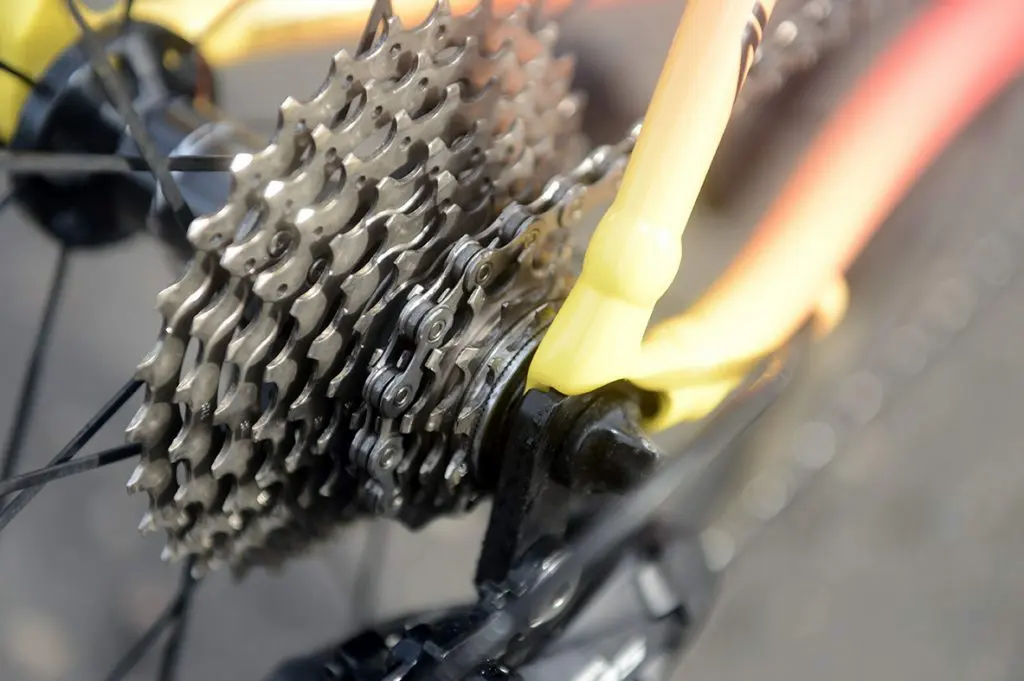
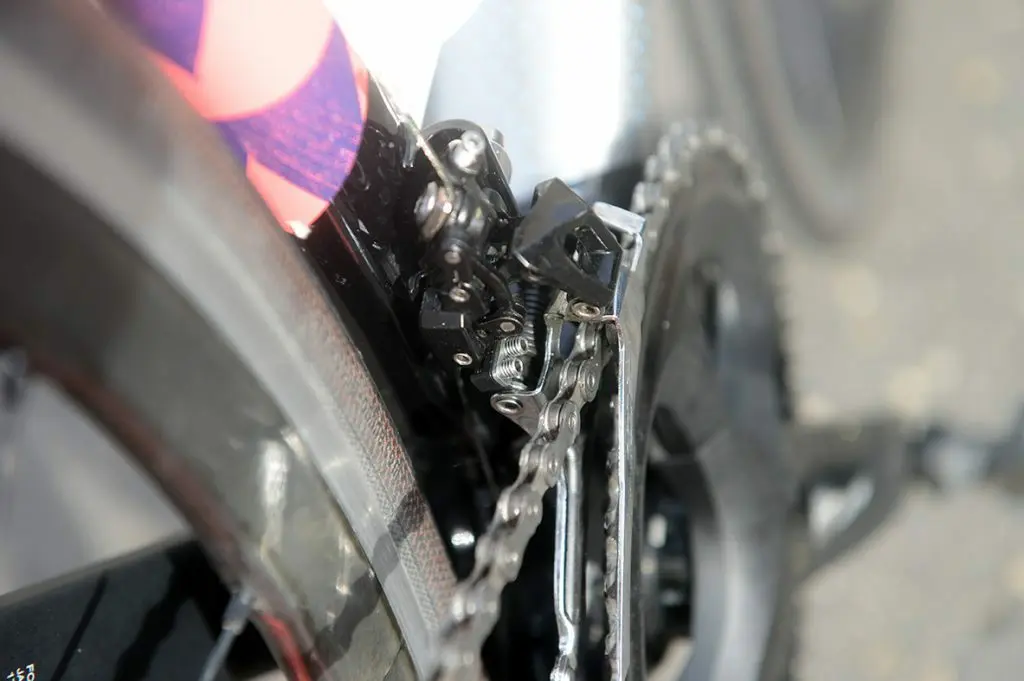
Chainring and cog sizes:
The size of the chainrings and cogs is a crucial element to consider when choosing gearing. Chainrings are the toothed wheels at the front of the bike, while cogs are those at the rear. Chainrings are generally available in different sizes, ranging from 34 to 54 teeth. Cogs are also available in different sizes, ranging from 11 (or 10) to 30 or 34 teeth.
The larger the chainring, the higher the gear ratio (distance covered with a single crank rotation). The smaller the rear cog, the higher the gear ratio.
It is important to find a balance between chainring and cog sizes for the conditions in which you will be riding. If you plan to ride on flat, smooth roads, you can use larger chainrings and smaller cogs for maximum speed. If you plan to climb hills, you may need to opt for smaller chainrings and larger cogs to pedal with a lower gear ratio, to facilitate the ascent by having less resistance under the pedals.
Cadence:
Cadence is another important factor to consider when choosing gearing. Cadence refers to the number of times you pedal per minute. It is important to find the right balance between the number of teeth on the chainrings and cogs to allow for optimal cadence. An ideal cadence for road cyclists is about 80 to 100 revolutions per minute on the flat, and between 60 and 80 revolutions per minute on climbs. These cadences allow for a good association of muscular work with the correct respiratory rate and help to push back fatigue.
Tire size:
Wheel and tire size is another factor that can affect gearing choice. Standard road bikes generally have 700c wheels, with 25 mm tire width. Larger wheels increase gear ratios with the same chainring and cog combination.
Number of speeds:
Manufacturers now offer 12-speed drivetrains with two chainrings (or even 13 speeds with a single chainring), but on the road, many bikes are still found with 6, 7, 8, 9, 10, or 11 speeds (number of cogs on the freehub body). The higher the number of cogs, the more possibilities there are to broaden the range of gear ratios, by increasing the difference between the largest gear ratio (large chainring and small cog) and the smallest gear ratio (small chainring and large cog). But a high number of cogs also allows for a very progressive range of speeds, to avoid jolts during gear changes.
If you opt for a certain range of gear ratios or for a bike already equipped with a more or less versatile combination, know that it is always more expensive to change the crankset or chainrings than the cassette with the cogs on the rear wheel.
In conclusion, the choice of gearing on a road bike is crucial for maximizing performance and pedaling comfort. It is important to consider chainring and cog sizes, cadence, and tire size to find the best balance for the conditions in which you will be riding.
=> SEE ALSO: All our Beginner articles
Share the post "The importance of choosing the right gear ratios"