Share the post "Professional Cyclists: Their Nutritional Secrets"
The 2023 professional cycling season is in full swing, with many exciting races already completed and many more to come. From the 5 Monuments to the Grand Tours, some of the most anticipated moments of the season have taken place or will take place in Europe. With such a busy schedule, athletes must fully commit to their physical preparation. A crucial element of this process, nutrition is the guarantee of optimal performance throughout the season.
By Roxana de Sousa, nutrition expert at Dole Packaged Foods Europe, pofficial nutrition partner 2023 of Team Jumbo-Visma – Photos: depositphotos.com/DR
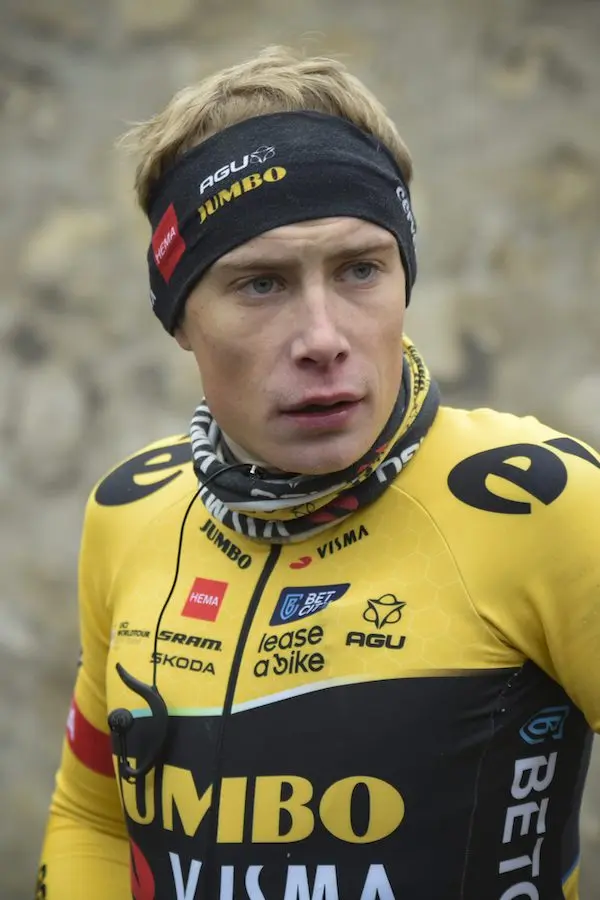
For cyclists, and athletes in general, good nutrition is the key to good preparation. Cyclists, in particular, must ensure they have all the energy they need to be competitive over long periods and to avoid exhaustion during the race.
A nutritional remedy for each phase of effort
Before exercise, athletes must ensure they are properly hydrated and consume a light source of protein, such as porridge or scrambled eggs. Then, during exercise, carbohydrates are essential! A carbohydrate-rich drink or an energy bar and fruit make the perfect combination to boost energy reserves. After exercise, to help the body and muscles recover, it is advisable to consume a snack rich in protein and carbohydrates, such as nuts, dried fruit, or fruit-based snacks. Fruits are good sources of antioxidants, such as vitamin C, which can help reduce inflammation and oxidative stress in the body. In addition, they are generally easy to digest, making them a convenient and quick source of energy. To promote recovery, athletes should aim to eat within 30 minutes of finishing their effort. This period is known as the replenishment window or metabolic window, as it is when the body is ready to replenish glycogen stores and begin to rebuild overworked muscles, which will greatly accelerate recovery.
A tailored eating plan throughout the training period
According to physical preparation experts, in addition to these tips around the critical effort phase, a healthy, balanced, and energy-rich diet throughout the training period is essential for cyclists to perform at their maximum potential. To do this, each of them must follow an eating plan adapted to their needs or seek help from a specialist, by incorporating food products containing the appropriate amount of fructose, glucose, and fiber into their meals. The ideal average amount is about 30 to 60 grams of carbohydrates per hour, depending on the intensity of the exercise.
Consolidating the basics with a pragmatic approach
The nutrition experts often emphasize that to meet nutritional needs and achieve a high level of performance, it is essential to adopt a dietary hygiene based on scientific recommendations. Proven plans, based on an evidence-based approach, far from any fad or pseudo-scientific trend, and relying on scientific literature, indeed form the basis of successful preparation for optimal performance and results. Once an athlete has perfected their diet, adapted to their individual needs, they can then focus on improving their physical performance, having the necessary fuel to do so.
Helping the body recover
After a competition, athletes must ensure they replenish their nutrient stores to promote recovery and muscle repair. It is essential to restore glycogen levels to avoid feeling tired after exercise. A carbohydrate-rich snack or meal, as well as a variety of fruits and vegetables, is an excellent way to achieve this, as they contain all the necessary nutrients to facilitate recovery. Replenishing glycogen stores within six hours of competition is necessary for optimal muscle recovery. Hydration is another key element to ensure the body is perfectly able to recover after exertion. Staying hydrated after an event is just as important as staying hydrated before and during it. And after the race, athletes must absolutely drink enough water to replenish fluids lost through sweat.

Nutrition is a key element of any athlete’s preparation – and performance. By following these few tips, athletes can reach their full potential and give themselves every chance of performance and longevity in their careers.

=> SEE ALSO : All our Coaching articles

Share the post "Professional Cyclists: Their Nutritional Secrets"