Share the post "Cipollini Dolomia Review"
The Dolomia marks a turning point in Cipollini’s history, as the Italian manufacturer now offers a versatile and relatively lightweight bike that is physically accessible to most riders—something that hasn’t always been the case with previous models since the company’s founding in 2009. This Cipollini Dolomia is nonetheless a very high-end bike, and it’s a lot of fun to ride on the road.
By Guillaume Judas – Photos: Vincent Lyky
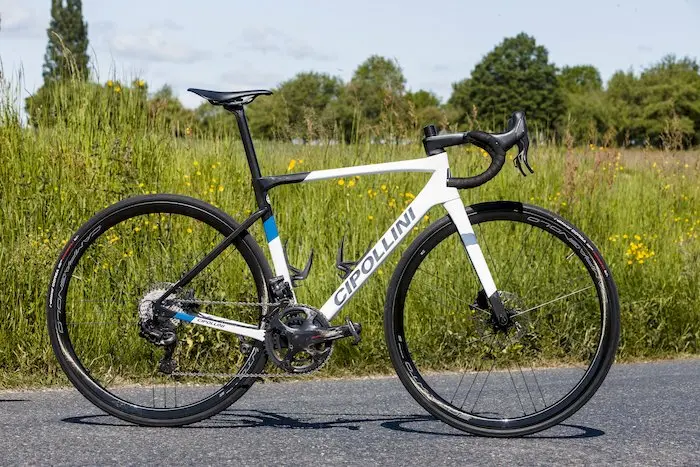
Since 2009, Cipollini has been manufacturing bespoke, high-end carbon frames that reflect the image of Mario Cipollini, the former world champion who founded the bicycle brand bearing his name. These are highly efficient bikes, but doubly elite—first in terms of price, and second in terms of handling, with an emphasis above all on performance and efficiency, at the expense of accessibility. The Dolomia offers Cipollini the opportunity to present a new look, with a more understated silhouette than the models the brand has traditionally offered, and a more responsive, more agile ride—better suited for use on routes with steep gradients. The Dolomia is also the brand’s first frame featuring the ultra-fast AD.ONE to be offered with fully integrated cables and exclusively with disc brakes.
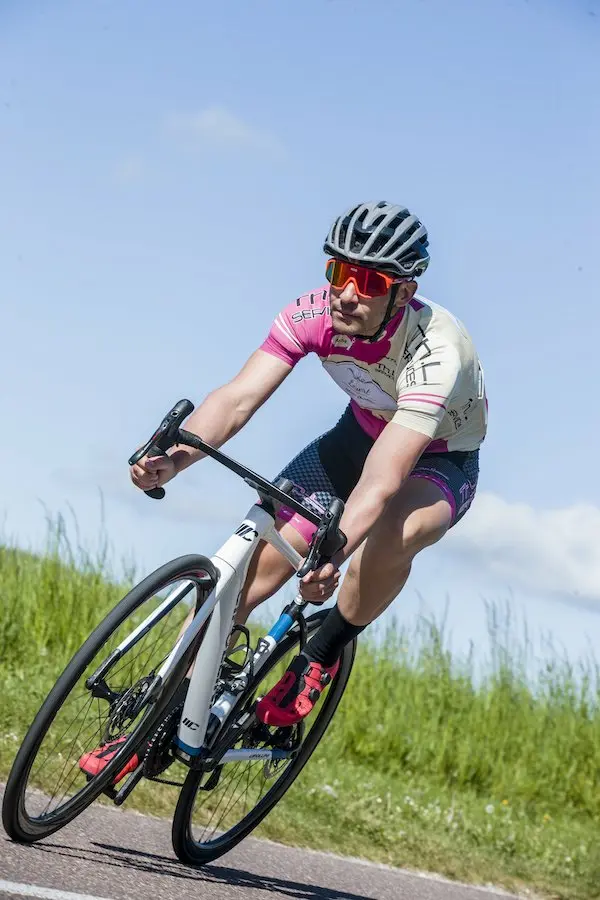
Unveiled in 2021, the Dolomia is the lightest frame Cipollini has ever produced. With a claimed weight of 780 g for the frame and 370 g for the fork, it rivals the lightest models on the market, while retaining its status as a true monocoque. Manufactured in Italy using high-performance T1000 carbon fiber (which is among the highest-end materials used in the cycling market today), the entire frame is molded in a single piece, without any “added” joints, as can be the case when, for example, a frame’s rear triangle is connected to the front triangle in a subsequent step. Cipollini uses the term TCM (or True Carbon Monocoque) to clearly highlight a difference that is reflected in the consistent performance of its bikes.
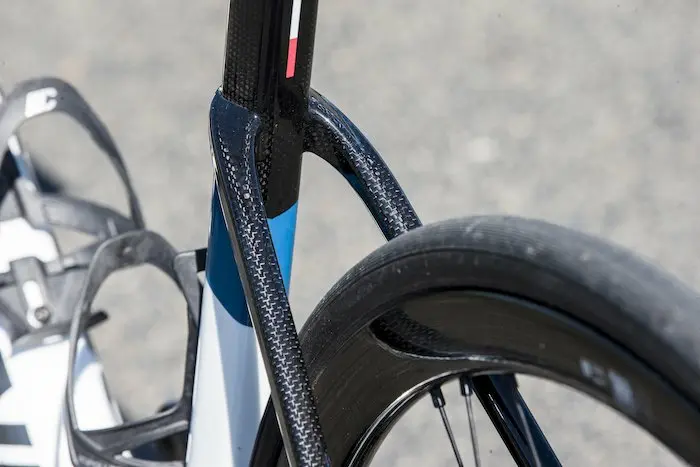
A very high-end finish
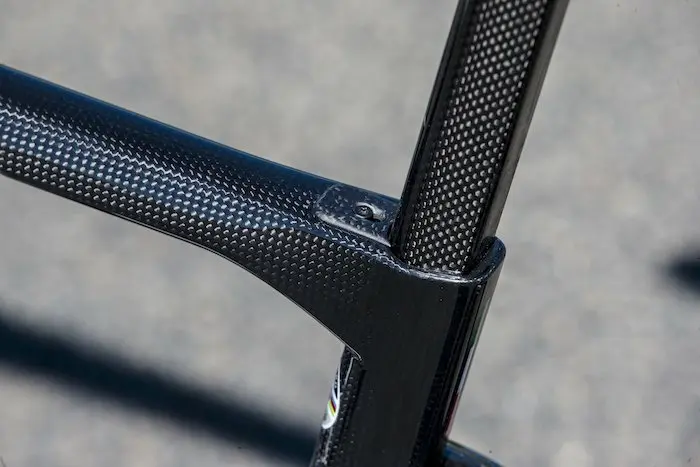
As is customary with Cipollini, the finish is of the highest quality, featuring a 3K carbon fiber exterior—at least on the visible carbon sections. All the technical solutions employed convey precision and sturdiness, featuring an integrated seatpost clamp with a large screw that’s unlikely to be damaged after repeated use, a steering system that’s easy to adjust, and a handlebar height that’s easily adjustable with round spacers, and integrated hose and cable routing that ensures the bike operates smoothly as a whole.
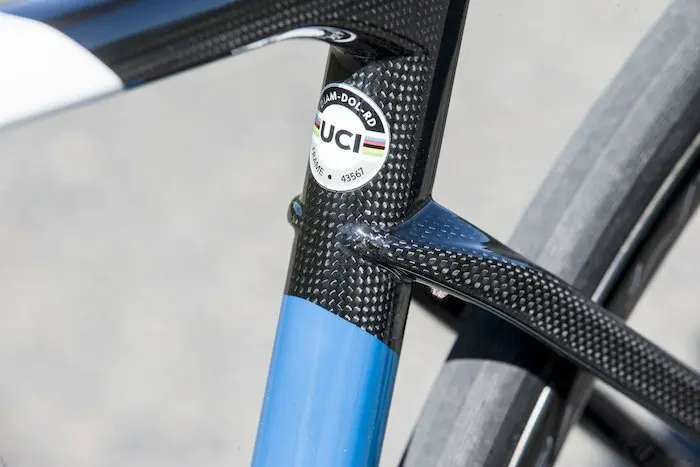
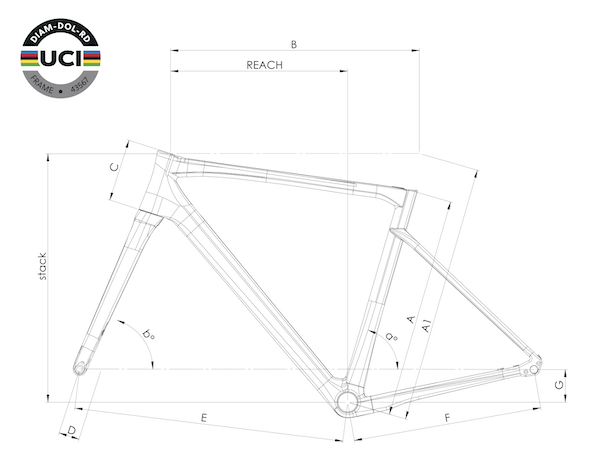
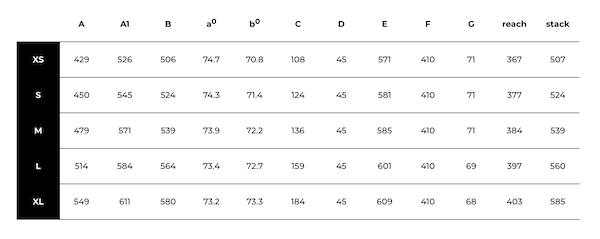
The Dolomia is available in only five sizes, which may be a bit limited for a bike in this category, but one must keep in mind the complexity of its manufacturing and the constraints imposed by five different molds. The geometry is fairly sporty, featuring a relatively short top tube, a fairly low head tube, and short chainstays. These characteristics are in line with Cipollini bikes, with handling that prioritizes agility and precision without compromising overall stability at high speeds—perhaps at the expense of extreme lightness. A true Italian bike, in a way, proving that we don’t always have to be obsessed with every 200 g! Finally, note that the Dolomia also offers ample tire clearance (up to 29 mm), allowing for even greater versatility.
A responsive, easy-to-ride, and accessible bike, the Dolomia isn’t just for competitive cyclists who love Gran Fondo races in the Dolomites—it’s also the model used by riders on the Bardiani CSF Faizanè team during the Giro’s challenging mountain stages. In short, this frame is top-notch in every respect, and the components offered here are also very high-end, bringing the price of this test bike to €13,490. Very expensive, yes, but it’s worth noting that the frame kit—manufactured in small batches in Italy—already costs over €5,000. And a version with mechanical Shimano Ultegra is available starting at €6,999. There are four colors in the catalog, but it’s also possible to opt for a custom color for an additional €500 using the MyCipo online tool.
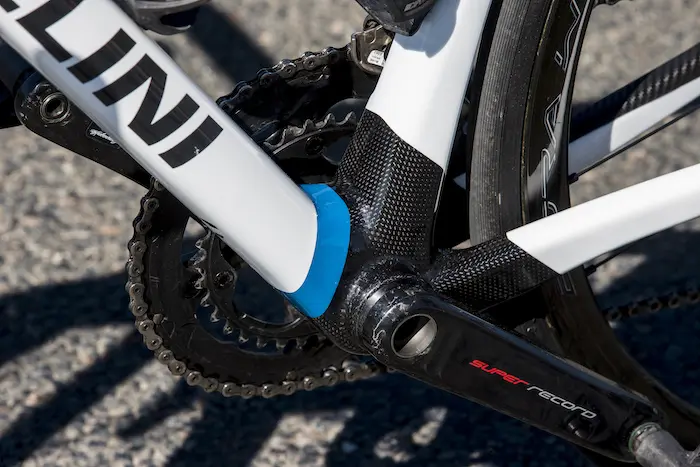
A luxurious and high-performance Campagnolo Super Record EPS groupset
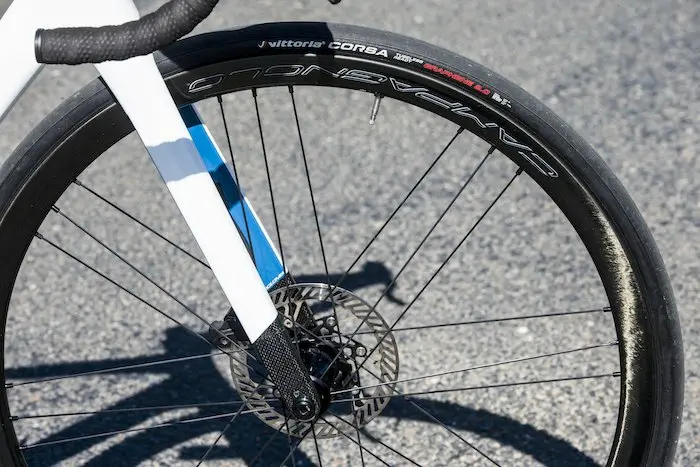
On this Dolomia, Cipollini has opted for a very high-end, 100% Italian build featuring a complete 12-speed Campagnolo Super Record EPS groupset and Campagnolo Bora WTO 33 wheels for the most part. The rest of the equipment is equally tasteful, featuring a Deda Alanera monocoque handlebar, a San Marco Aspide Shorfit saddle, and Vittoria Corsa Graphene 2.0 tires.
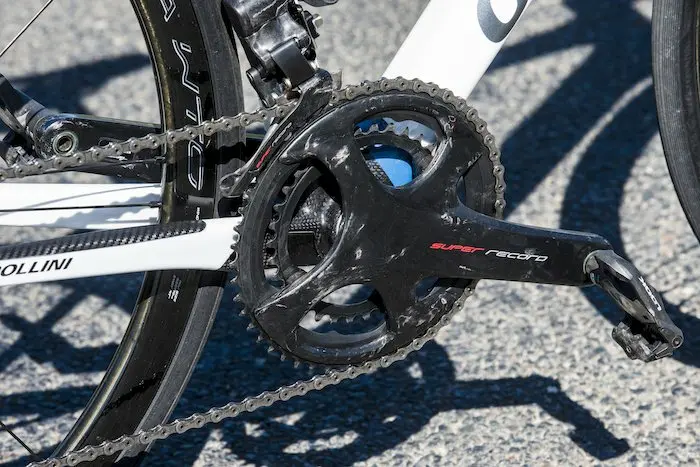
Unless you’re shaving off a few extra grams, it’s obviously impossible to distinguish the Super Record EPS groupset from the other two top-of-the-line groupsets on the market—namely, the SRAM Red eTap AXS and, of course, the new Shimano Dura-Ace Di2 12-speed groupset—in terms of performance. At this level, everything is on par, and the difference comes down mainly to ergonomics—and perhaps aesthetics. That said, Campagnolo is currently slightly outpaced by its competitors because it still uses electrical cables between the shifters and the derailleurs. We eagerly await Campagnolo’s upcoming response on this matter. In the meantime, Campagnolo retains its loyal fans, for whom it is utterly inconceivable to ride an Italian bike with anything other than a groupset from the Vicenza-based company.
=> SEE ALSO: 2021/2022 Prices and Weights for Road and Gravel Groupsets
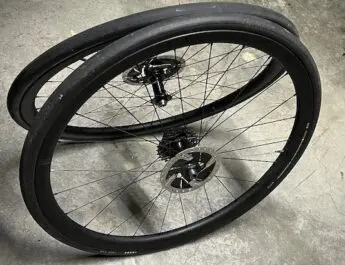
The build is elevated here by the choice of Bora WTO 33 wheels, which feature relatively low rims but retain an aerodynamic profile, providing the Dolomia with stiffness and responsiveness without compromising its maneuverability. On the gently rolling routes of the Paris region—which are constantly exposed to the wind and require frequent accelerations—these wheels make the bike highly responsive while remaining easy to handle at low speeds. A real pleasure, especially since the Vittoria Corsa tires are a sure bet.
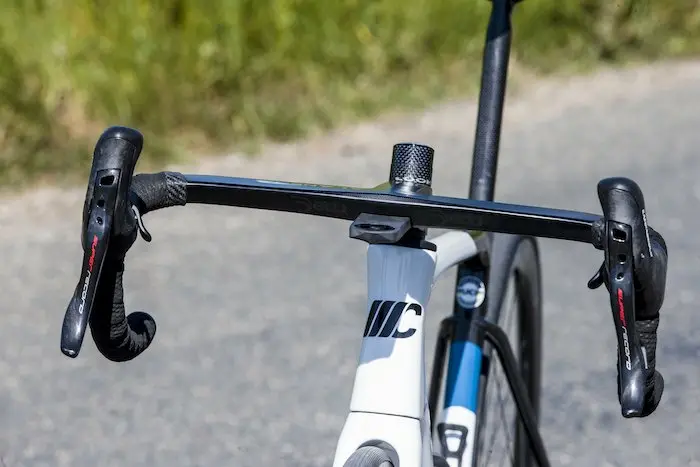
We also appreciated the comfort of the San Marco saddle, which is very comfortable provided you fine-tune its rearward position and angle, since it has no flat section. As for the one-piece handlebar, which has a very square appearance, it is not very deep and therefore facilitates an easy transition between different hand positions. The upper section is comfortable to grip during long climbs, but can be a bit slippery if you’re not wearing gloves.
Handling
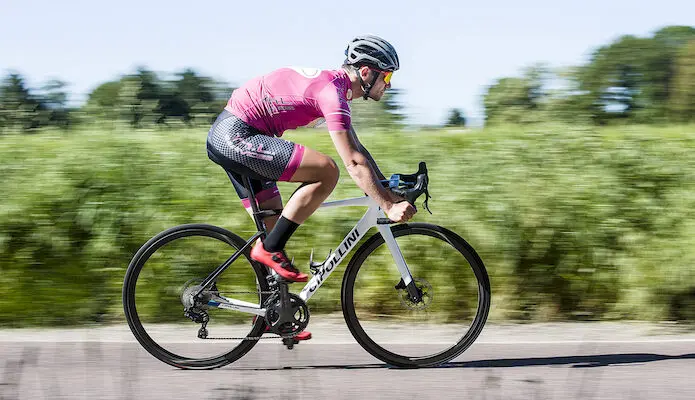
On the road, the Cipollini Dolomia doesn’t disappoint. It’s far from being the stiffest bike on the market, but the Italian brand offers other models for that purpose. It really shines in its responsiveness—its lively, effortless feel encourages quick accelerations and makes climbs a bit less taxing on the muscles. But the bike also has the good sense not to lose its composure as you pick up speed, and it consistently delivers excellent efficiency when riding in a high gear on the flat. You really have to push the bike hard or sprint furiously in the highest gear to feel the front end float even slightly.
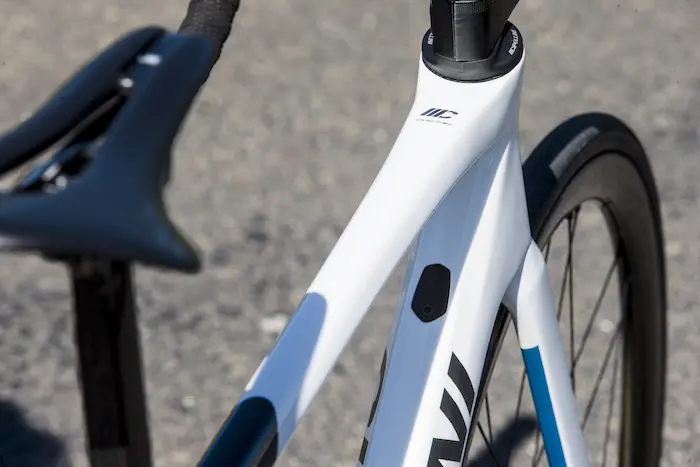
A slight flexibility that in no way compromises the Dolomia’s stability, whether on fast descents as you pick up speed, through sequences of turns and tight lines, and certainly not when braking, where the combination of the frame’s qualities and the excellence of the Campagnolo system in this area works wonders. The steering is responsive and easy to control regardless of road surface, and the rotors never rub against the brake pads.

Finally, a word about comfort: while it certainly doesn’t match that of some gravel bikes with oversized tires, it does encourage you to extend your usual rides by a few dozen kilometers. The riding position remains sporty, but the road feel provided by the Dolomia greatly reduces fatigue caused by vibrations.
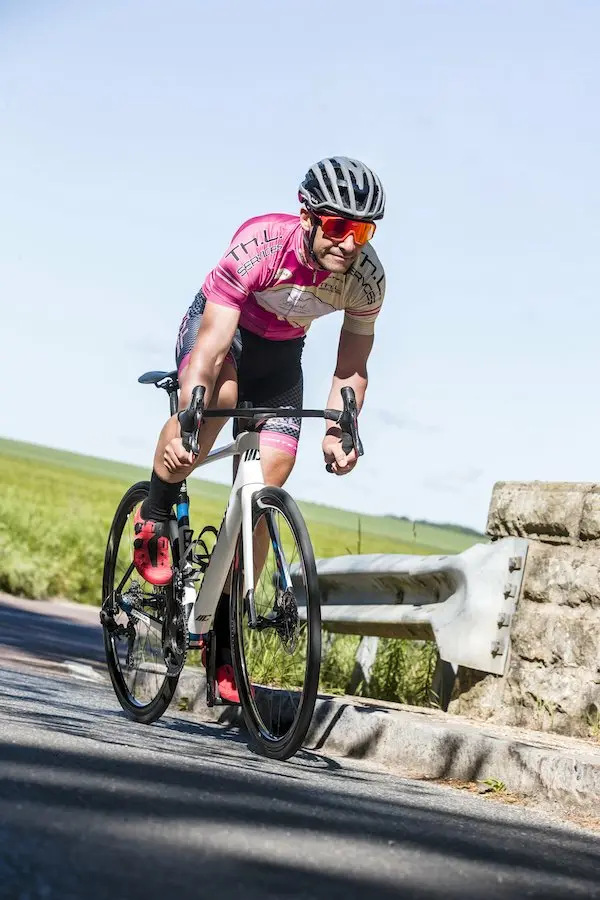
The Cipollini Dolomia may not be designed to take you on a 2,500-km Race Across France, but it strikes us as the ideal machine for long mountain rides, to tackle a Marmotte or a stage of the Tour de France in the best possible conditions. And that’s already a lot. Of course, the price of the complete bike is quite steep, though it’s in line with what high-end competitors charge for a bike with this level of spec. It’s worth noting, however, that the Dolomia’s manufacturing process and location—like all Cipollini frames, for that matter—its finish, the 10-year warranty, and its relative uniqueness—given that there are few bikes from this brand on the market—may tip the scales in its favor. In any case, we absolutely loved riding this bike.

| The CIPOLLINI DOLOMIA at a glance… Rating: ***** Pros: responsive and comfortable ride, build quality, stability FRAME: Cipollini Dolomia TCM monocoque – FORK: Cipollini Dolomia Carbon – WHEELS: Campagnolo Bora WTO 33 – TIRES: Vittoria Corsa TLR 25 – CRANKSET: Campagnolo Super Record 12-speed 50-34 – CASSETTE: Campagnolo Super Record 12-speed 11-32 – SHIFTERS: Campagnolo Super Record EPS 12-speed – BRAKES: Campagnolo Super Record Hydraulic Disc 160 mm – BRAKE LEVERS: Campagnolo Super Record EPS 12-speed Disc – HANDLEBAR SET: Deda Alanera – SEAT POST: Cipollini Dolomia 10 mm offset (100 g) – SADDLE: San Marco Shortfit Superleggera Wide – SIZES AVAILABLE: 5 – WEIGHT: 7.22 kg in size M (without pedals but with bottle cages) – PRICE: €13,490
Contact: www.mcipollini.com |
=> SEE ALSO: All our Gear articles
Share the post "Cipollini Dolomia Review"