Share the post "BH Core GravelX Carbon Pro 2.7 Review"
With the new Core GravelX Carbon, here in the high-end Pro 2.7 version, BH offers an e-bike that breaks away from traditional codes and is above all designed as a machine for riding on all types of surfaces, with a record-breaking range. Superbly finished and with top-notch equipment, it nevertheless struggles to convince in the most challenging off-road sections.
By Guillaume Judas – Photos: Vincent Lyky
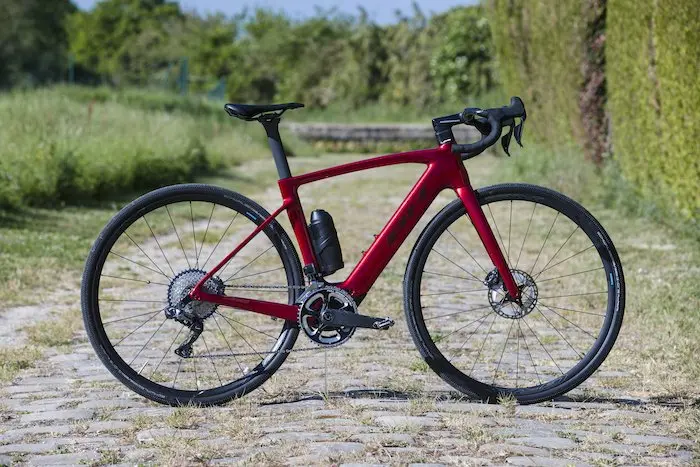
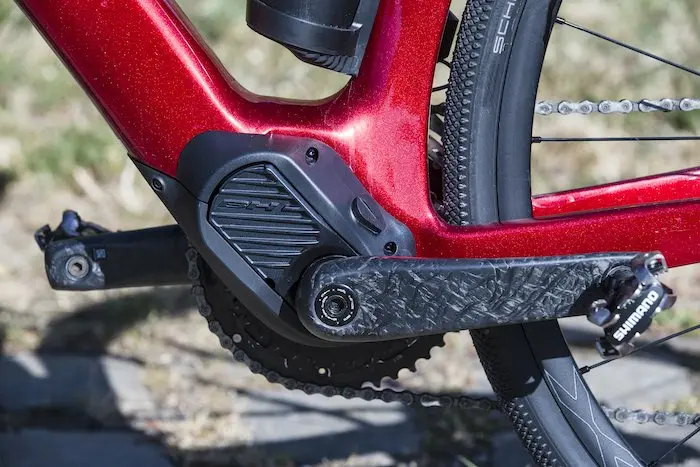
The Spanish brand BH offers a wide range of e-bikes, whether for urban, “light” or very aggressive mountain biking, road, or now gravel, each time with an in-house motorization. The Core GravelX is no exception to the rule with the new 2EXMAG drive unit, which is announced as 10% lighter than the previous one, and a 540 Wh battery integrated into the down tube that theoretically offers up to 165 km of range.
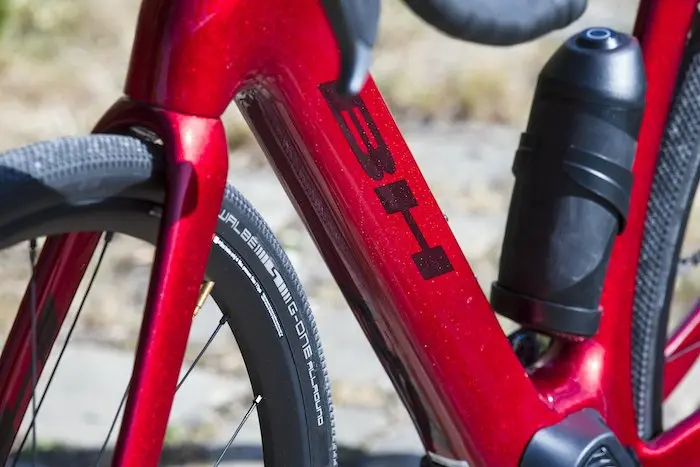
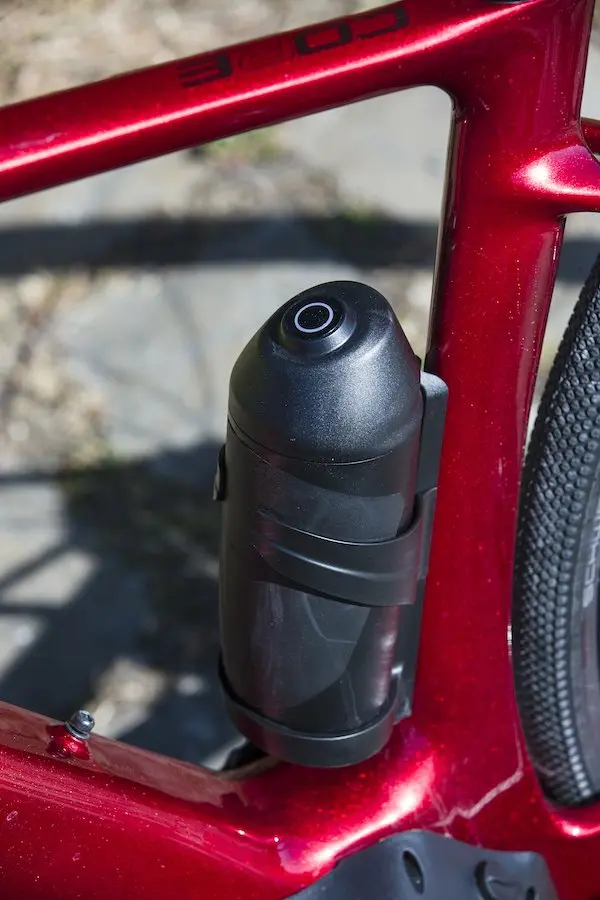
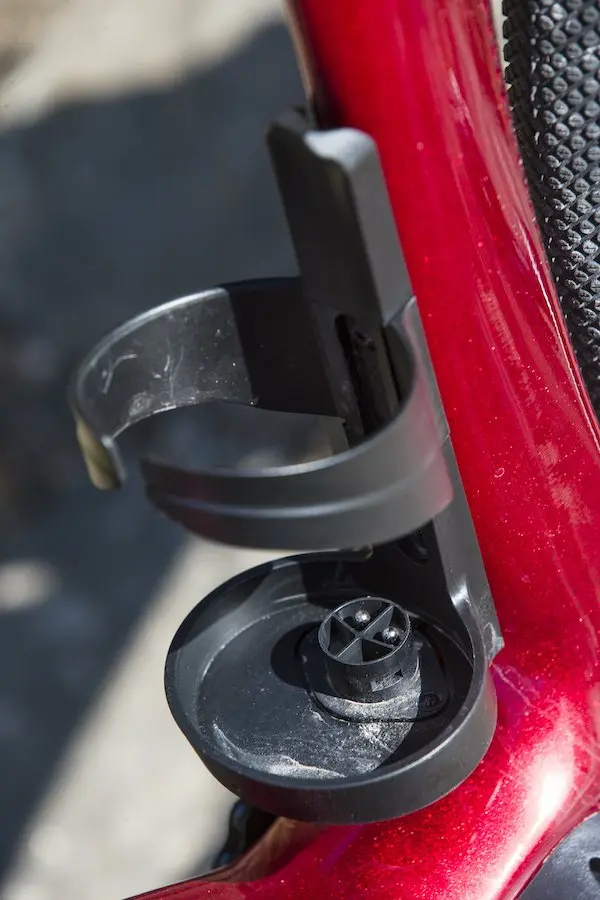
It comes in four models, two with an aluminum frame (starting at €3999) and two with a carbon frame, including this very high-end Pro 2.7 at €7299. On the menu: a Shimano GRX Di2 groupset, Shimano RX570 TR wheels and Schwalbe G-One 35 mm tires, an FSA K-Wing AGX Carbon handlebar, a Prologo Dimension AGX saddle, and an additional XPro battery (in the form of a bottle placed on the seat tube) which extends the assistance range up to 220 kilometers. Sold for €1500 less, the Pro 2.6 is equipped with a cable-actuated GRX groupset, RS370 TR wheels, and does not come with the additional battery, which is still optional.
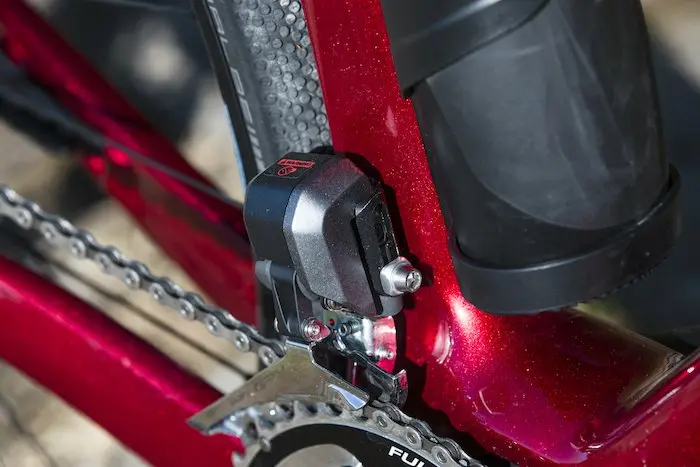
Although located at the bottom bracket shell of the frame, the 2EXMAG motor remains visually relatively discreet. It offers a contained spacing between the two cranks, with a Q-factor of 163 mm, which is 10 to 15 mm more than a classic crankset, in order to offer a pedaling feel quite similar to a non-assisted bike. Its maximum torque of 65 Nm distinguishes it from other types of motorization found on road bikes or electric-assist gravel bikes. A high torque that provides noticeable assistance even when adopting a low pedaling frequency, whereas many other systems require a high cadence to deliver their maximum potential. Furthermore, the motor can be easily linked to the BH iConnect application (on Android or iOS), which allows customizing the assistance levels according to habits or type of use, or even changing the colors of the assistance mode indicators, if you have a geeky side. Let’s add that the system can also be coupled to an ANT+ bike computer / GPS.

For these electric assistance mode indicators, BH has opted for a minimalist system integrated into the stem. You switch from one assistance mode to another by simply pressing the top of the stem, with the following color codes: white (system on, but no assistance), green (level 1), blue (level 2), orange (level 3), red (maximum level). To decrease the assistance level, simply press the button twice in a row. This manipulation requires letting go of one hand from the handlebar, and is not always practical on the most uneven courses. However, it must be acknowledged that the system is very elegant.
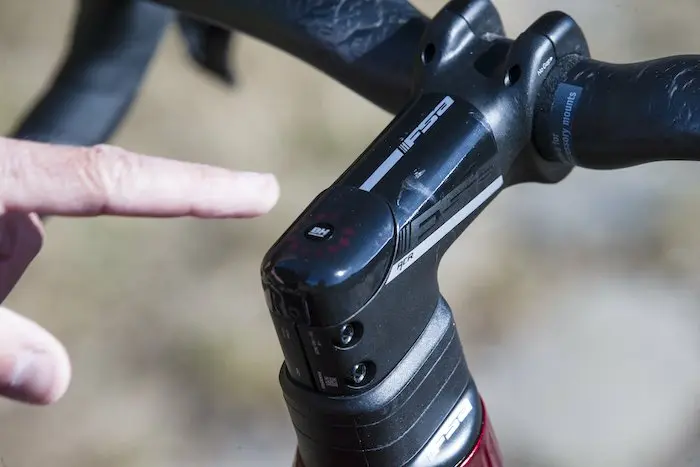
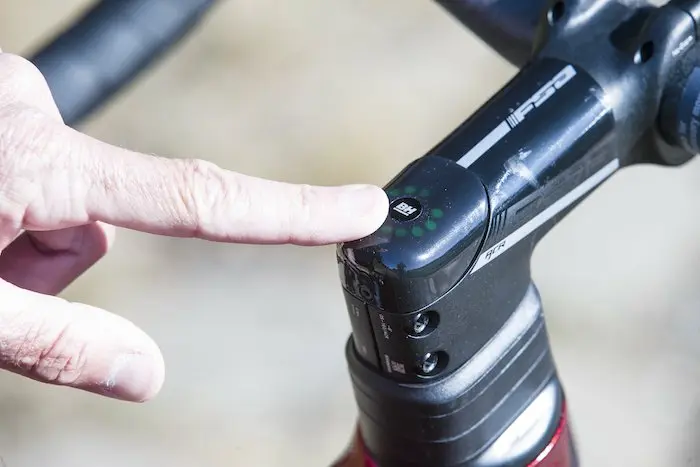
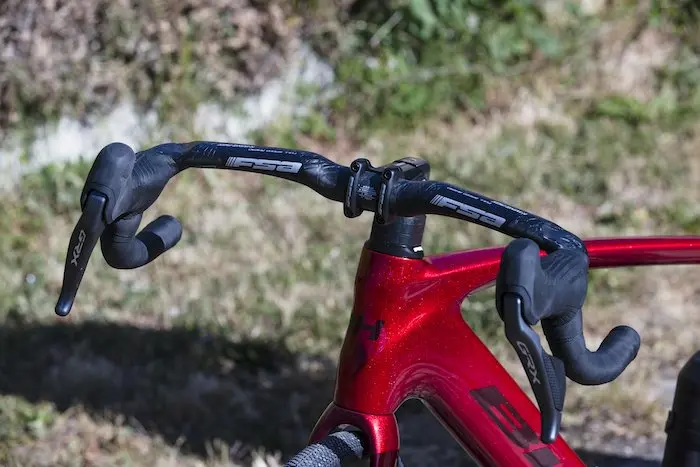
This system integrates perfectly with the bike’s overall lines, featuring a frame with profiled tubes, cables and hoses fully incorporated into the cockpit and head tube, and an electronic drivetrain with undeniable performance. The machine is modern and sleek, but still suffers from a significant weight. This high-end Pro 2.7 version weighs 13.8 kg without pedals, and you have to add 980 g for the additional XPro battery, for a total of 15.3 kg with pedals, a bike computer, and a second bottle cage for the bike ready to ride for a full day’s outing.
An all-road bike rather than a true off-road machine
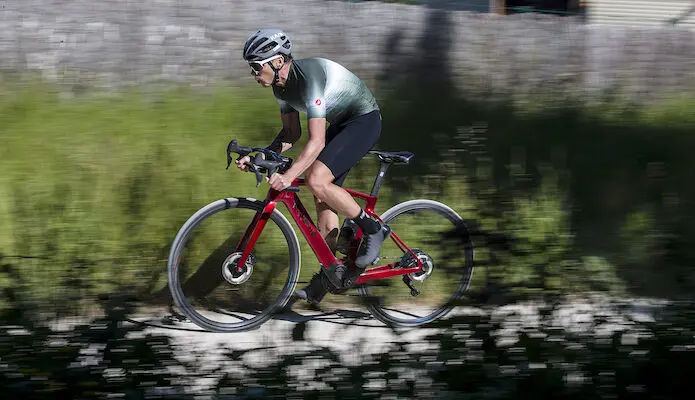
The bike’s observed weight contrasts with its sleek lines, and its large tires contrast with aerodynamic tubes that rather inspire speed. However, these tires prove insufficient to make the BH Core GravelX a true off-road bike. While it performs very honorably on well-packed gravel tracks, forays into undergrowth are more problematic, particularly due to the lack of shock and vibration absorption. This characteristic quickly becomes unpleasant when the terrain is very dry or on singletracks with numerous roots.
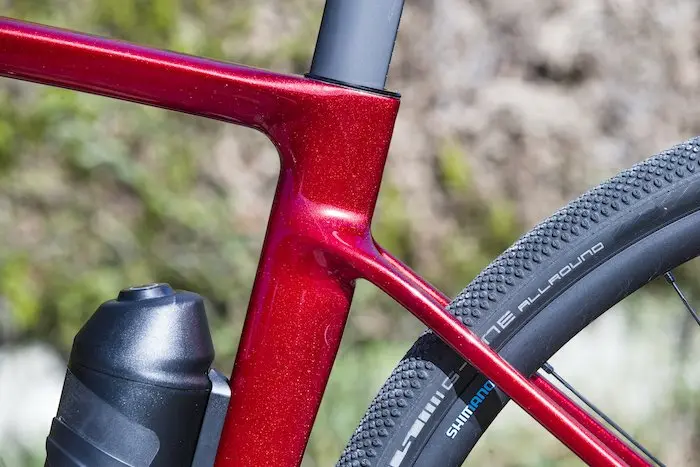
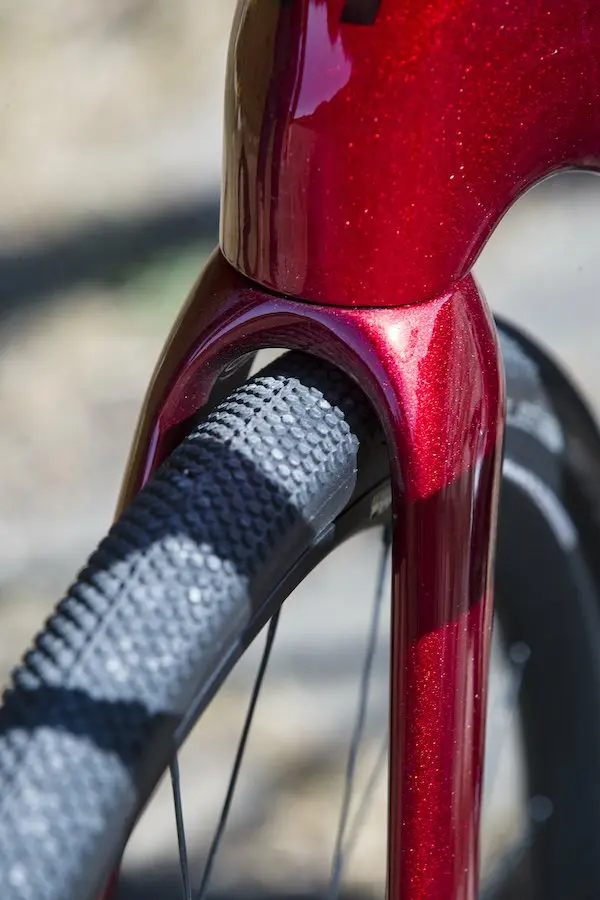
The bike doesn’t hide its road bike origins, with relatively limited tire clearance between the 35 mm tires and the tubes and fork. It’s hard to imagine being able to mount a wider tire size, which would have the advantage of allowing for slightly lower pressure on the roughest trails. The Schwalbe G-One tires are good, offering efficiency on rolling tracks and decent grip on wet terrain, provided truly muddy conditions are avoided. But from the first ride, we experienced three punctures, two of which were pinch flats, as the bike is equipped with inner tubes. A fairly firm inflation is therefore essential to avoid this kind of inconvenience, but with a noticeable loss of comfort on bumpy trails that were already dry at the beginning of spring.
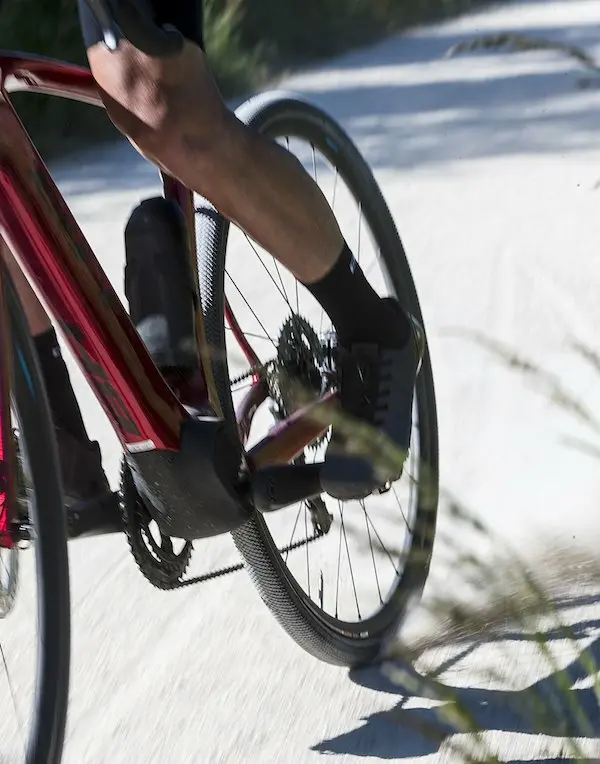
The motor’s power is very welcome on steep gradients, allowing you to tackle the toughest climbs without difficulty.
In the most technical sections, the bike’s capabilities are limited by its weight, which doesn’t always make handling very easy. The motor’s torque is relatively high for this type of machine, which means you feel a rather violent boost when you restart pedaling at very low speeds. This can be a bit destabilizing in slow sections, where it’s better to rely on the first two assistance levels to maintain good control. The motor’s power, however, is very welcome on steep gradients, allowing you to tackle the toughest climbs without difficulty, provided the terrain isn’t too loose or the gravel too rolling under the wheels. In this case, we return to the tire limitations mentioned above.
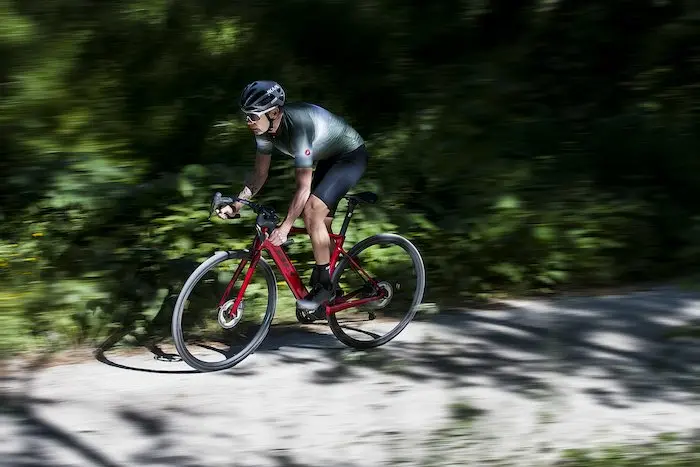
Impressive range
In terms of operation, the BH motor is relatively smooth on the first assistance levels, and above all, quite quiet. From the first level (with the green LEDs), its power is enough to negate the bike’s weight and make pedaling feel effortless. And when exceeding the legal limit of 25 km/h, the bike’s inertia offers a relatively seamless transition when the assistance cuts out. It’s when accelerating sharply or maintaining effort at speeds typical for a trained cyclist on flat terrain that the machine falters in terms of efficiency and stiffness, due to the motor’s placement. When standing on the pedals without the motor engaged, you don’t really feel the impression of relying on a very firm bottom bracket shell.
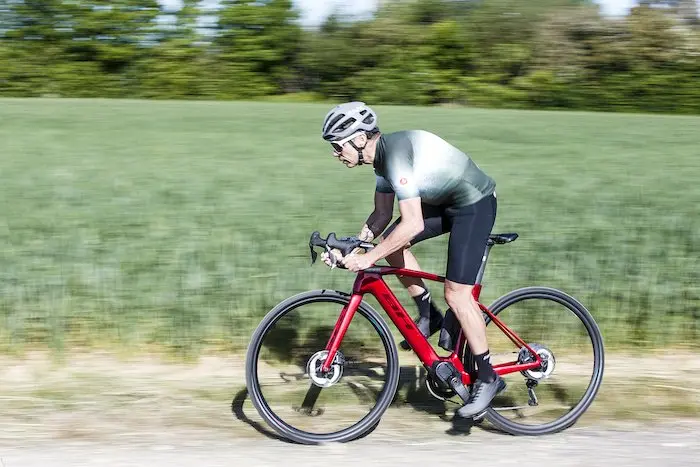
Obviously, the fitter the cyclist, the less they rely on assistance, especially on moderately hilly routes, thereby extending an already record-breaking range. We were thus quickly able to do without the additional XPro battery (saving nearly 1 kg in the process), after noting that two initial strenuous 70 km rides had not drained half of the down tube battery. This is, of course, a considerable advantage when planning long rides, encouraging less trained riders to explore far beyond their usual routes, with the almost certainty of being able to return home with some “juice” left to tackle the last difficulties.
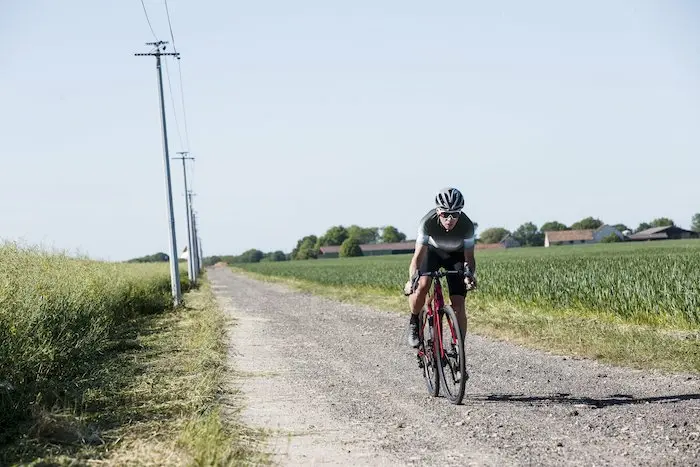
This test ultimately allows us to determine the ideal operating range of the BH Core GravelX Carbon: on roads, paved or unpaved, on wide unpaved tracks or rolling forest paths, but avoiding technical difficulties or overly harsh trails. With its remarkable battery range, this bike is made for racking up kilometers without worrying about getting home, especially since the power is largely sufficient to cope with any physical fatigue, even when you no longer feel able to pedal at cadence.
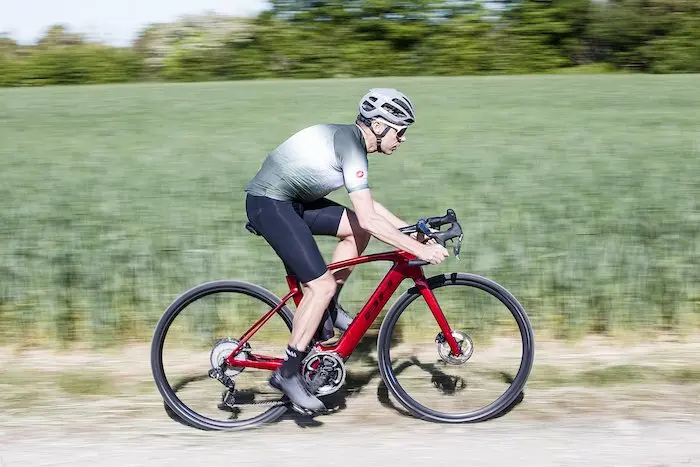
The equipment offered on this very high-end model also calls for no criticism: the Shimano Di2 drivetrain works wonderfully and with great precision, the braking is very effective despite the weight of the machine, and the cockpit is very pleasant to handle. Given the presence of a powerful motor with good torque, one can only question the relevance of a cassette with such gear ratios, and a minimum gear of 36/42 which is not really in line with the bike’s limited off-road capabilities. The fact remains that at €7299, the BH Core GravelX Carbon Pro 2.7 is almost too luxurious for a use that is content with “all-road” riding. With this profiled frame, this very efficient motor and battery, but limited off-road capabilities, it doesn’t fully fit into the gravel bike category. In short, to venture deeper into the woods, we would prefer the Core GravelX aluminum version (with tires up to 38 mm), or limit it to road use by fitting more rolling tires.
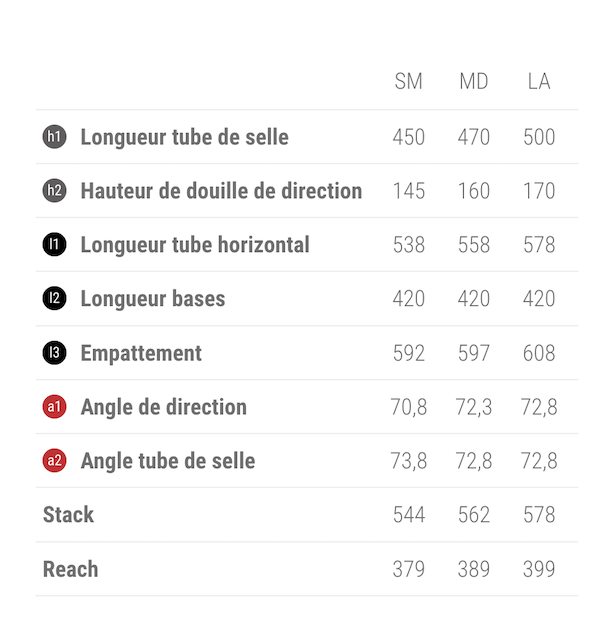
| The BH CORE GRAVELX CARBON PRO 2.7 in brief… Rating: * Pros: motor torque, assistance range, finish, cable integration, groupset FRAME: Gravel Carbon 28″ Internal Cable Routing, ACR CarbonMonocoque – FORK: BH Gravel Carbon ACR – ELECTRIC ASSISTANCE: BH 2EXMAG – BATTERY: 540 Wh + 180 Wh – WHEELS: Shimano RX570 TR – TIRES: Schwalbe G-One 35-622 – CRANKSET: FSA Carbon 46-36 – CASSETTE: Shimano SLX, 11-42 – DERAILLEURS: Shimano GRX Di2 – BRAKES: Shimano GRX hydraulic Disc – LEVERS: Shimano GRX Di2 Disc – STEM: BH Lite Ahead – HANDLEBAR: FSA K-Wing AGX Carbon – SEATPOST: BH Aero – SADDLE: Prologo Dimension AGX – NUMBER OF SIZES: 3 – WEIGHT: 13.8 kg (without pedals) + 980 g for the additional battery – PRICE: €7299
Contact: www.bhbikes.com |
=> SEE ALSO : All our Gear articles
Share the post "BH Core GravelX Carbon Pro 2.7 Review"