Share the post "Review of the new Lazer Vento helmet, featuring revolutionary KinetiCore technology for rotational impact protection"
Lazer launches a brand new technology for its helmets, which provides protection against rotational impacts: the KinetiCore system. A system that is lighter, more ventilated and more eco-responsible than the famous MIPS used by many competing brands. We tested the Lazer Vento, a high-end aerodynamic road model, which fully benefits from all these advantages.
By Guillaume Judas – Photos: ©3bikes.fr / DR
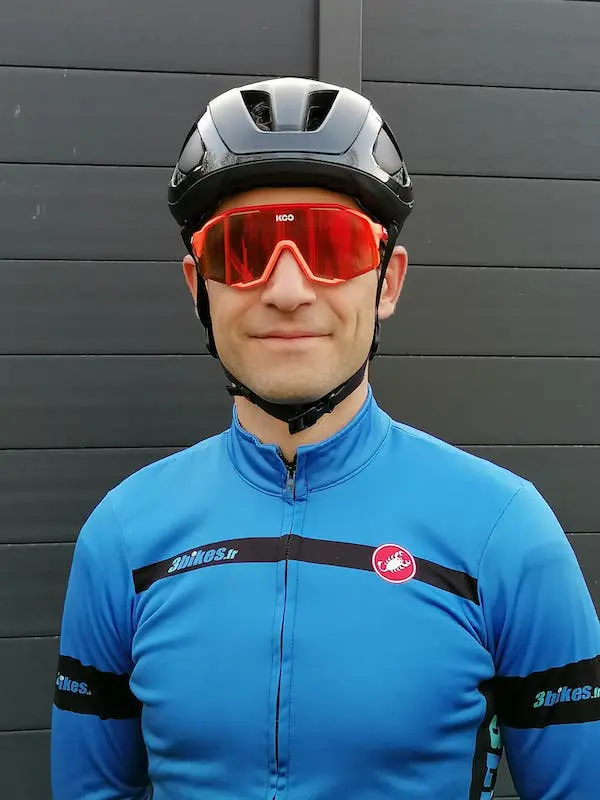
The Vento is Lazer’s new versatile road helmet, an aerodynamic and relatively lightweight model that stands out for a modern look, very appreciable comfort and a very high level of finish. But since a helmet is primarily dedicated to protection, it especially benefits from Lazer’s brand new KinetiCore technology.
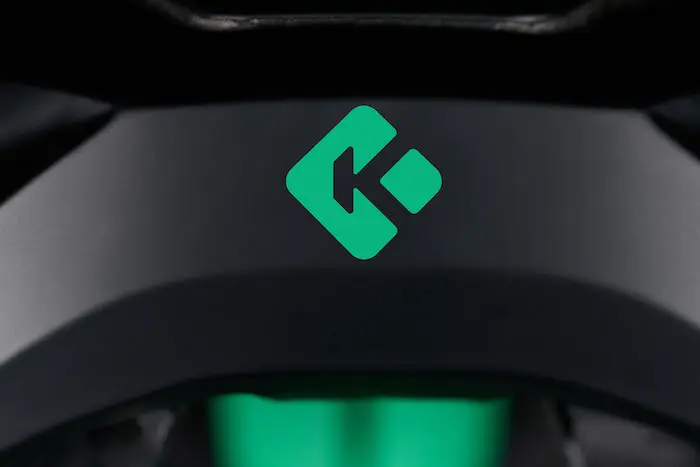
Lazer helmets featuring KinetiCore technology are the first to include fully integrated rotational impact protection. Does that mean nothing to you? Yet, many helmets on the market (including some from the Lazer brand) already offer this type of protection, using the Swedish-designed MIPS (Multi-directional Impact Protection System), which consists of a slightly mobile internal cage designed to absorb impact energy in the event of a fall to dampen rotational forces and spare the brain, so that it does not collide with the skull. A big advantage in terms of safety.

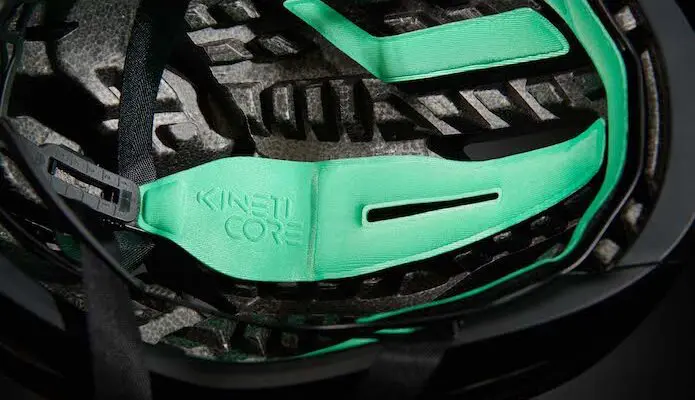
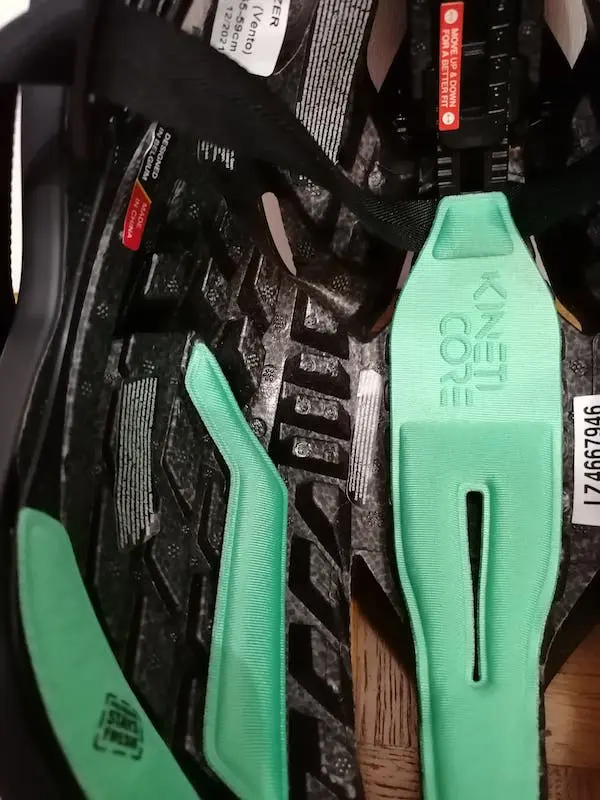
The new KinetiCore technology invented by the Belgian brand Lazer pursues the same objective, but with a system entirely integrated into the helmet’s structure, which saves weight and ventilation (about 5% gain depending on the model), while reducing plastic production (- 90 g compared to MIPS, which is good for the planet). Lazer has worked for more than a decade to create a system that completely changes the way brain protection is approached.
The KinetiCore story
Lazer has been designing protective equipment since 1919 (jackets, gloves, motorcycle helmets then bicycle helmets). About ten years ago, the cycling world began to become aware of injuries caused by rotational impacts during the most severe falls and the lack of solutions provided by the helmets then available on the market. While other technologies were developing, Lazer began to think about its own innovative system, which had to be integrated into the helmet and not added. But this required a complete redesign. Lazer first evaluated the different types of impact during falls with different types of simulation, before designing hundreds of prototypes. Until opting for the design of cone-shaped deformation zones inside the helmet, designed to break in the event of an impact and dissipate energy away from the cyclist’s skull.

The KinetiCore system is ultimately made up of EPS foam blocks directly placed inside the helmet’s inner shell, which allows for a significant reduction in weight compared to a MIPS cage added to the design (- 50 g). It also promotes better ventilation by avoiding this famous extra layer and thus promoting air circulation. And since safety remains at the heart of the Belgian brand’s concerns, it should be noted that the first Lazer helmets equipped with KinetiCore obtained five out of five stars from the independent Virginia Tech laboratory, recognized as the main reference in terms of cyclist brain protection technology.
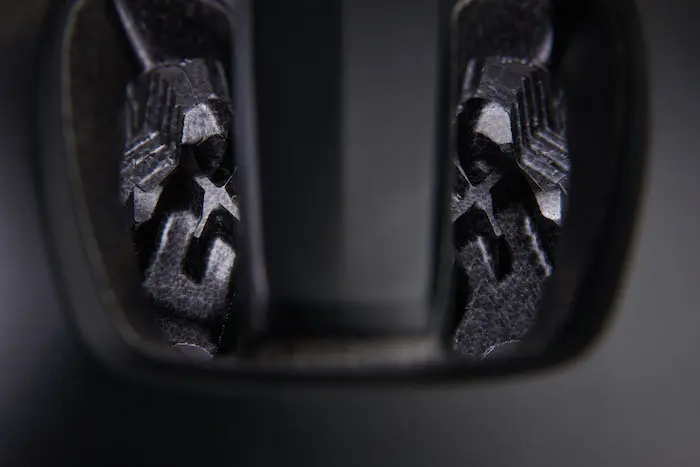
The KinetiCore system is already available on six Lazer helmet models, for road, mountain bike, city and even children. Prices range from €44.99 to €259.99 (for the Vento tested here), but for regular road use, the Strada is already available at €99.99 to fully enjoy this revolution. The brand naturally plans to extend this technology to other models, and does not rule out the idea of offering it to other brands.

Lazer Vento: a helmet without compromise
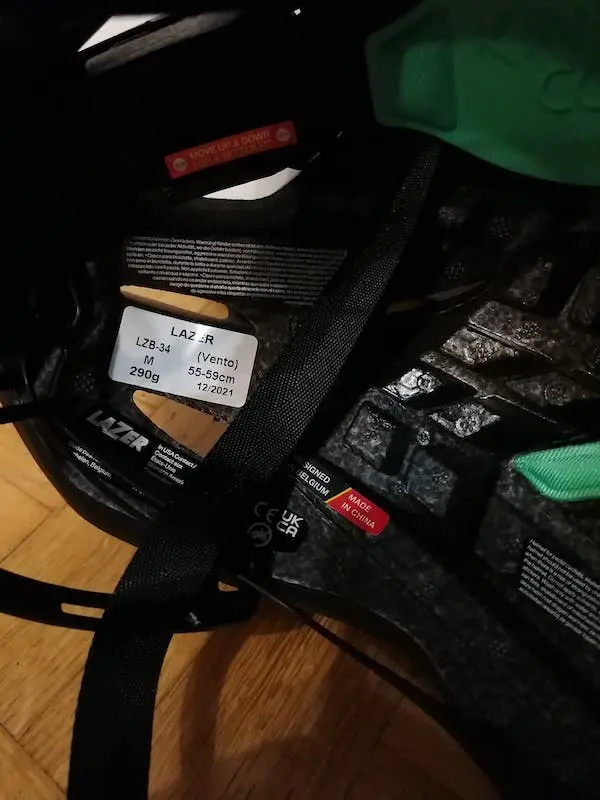
The Vento is a high-end helmet designed for road performance, providing aerodynamics, comfort, and safety with the KinetiCore system. Lazer claims an aerodynamic advantage for the Vento compared to the Bullet 2.0, the versatile helmet still used at the beginning of the season by the Jumbo – Visma team riders (Wout van Aert, Primoz Roglic, Christophe Laporte…). It is also 90 g lighter, and 5.4% more ventilated according to the brand. We were able to verify its weight at 289 g in size M (for 290 g claimed).

The tightening is done via light and comfortable straps, and by a headband system around the head that is adjusted with a ScrollSys dial placed on top of the helmet at the back. A well-integrated system that offers uniform support, but which is not so simple to use on the road, as it requires the use of both hands to manipulate it, lacking a bit of fluidity.
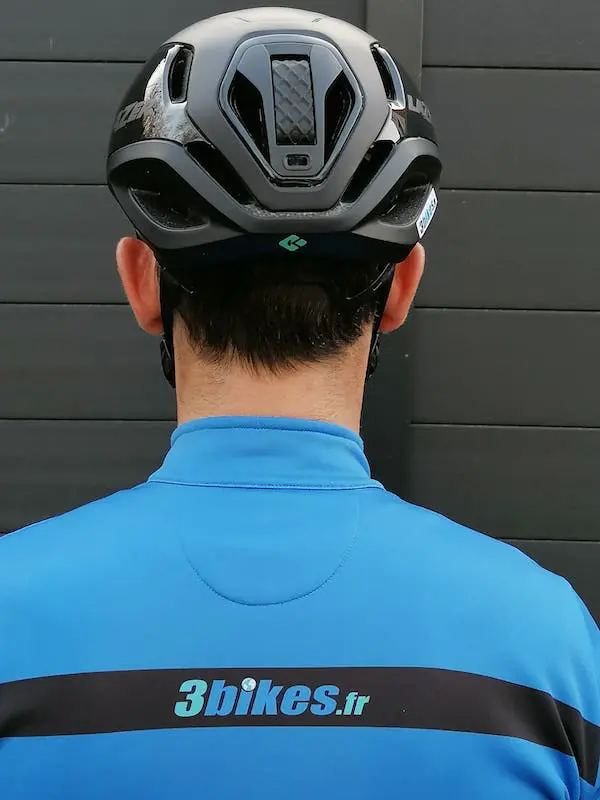

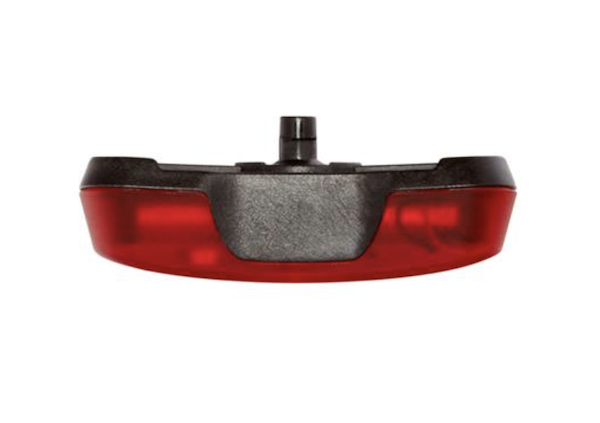
At the back, there is also a slot to clip on a universal LED light (€29.99), very practical for being better seen on the road.
In terms of ventilation, even if we haven’t been able to test the Vento in extreme conditions, we can clearly feel the air flows circulating over the top of the head. The side vents are particularly well designed, integrating perfectly with the helmet’s aero look.

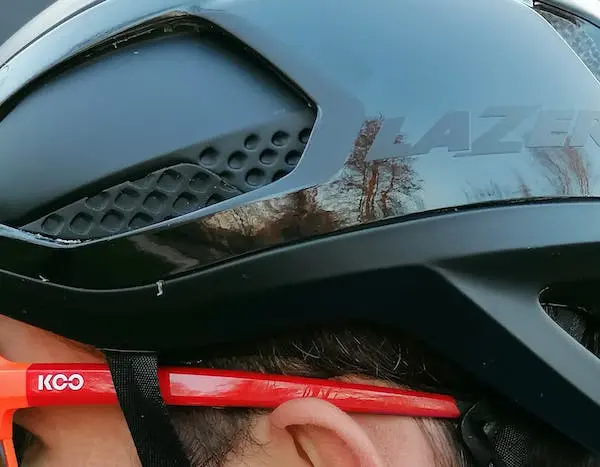
As for comfort, the Vento’s size M seems better cut than older Lazer models, with a slightly smaller head circumference that is more consistent with the values indicated in the size chart. Glasses fit perfectly and do not conflict with any helmet elements. The straps are quite wide apart, so it is necessary to place the arms underneath. However, note that there are no holes to place them on the helmet, and if it is necessary to remove them while riding, the arms must be placed resting along the side vents, taking advantage of the alveolar and slightly adherent material at this location.

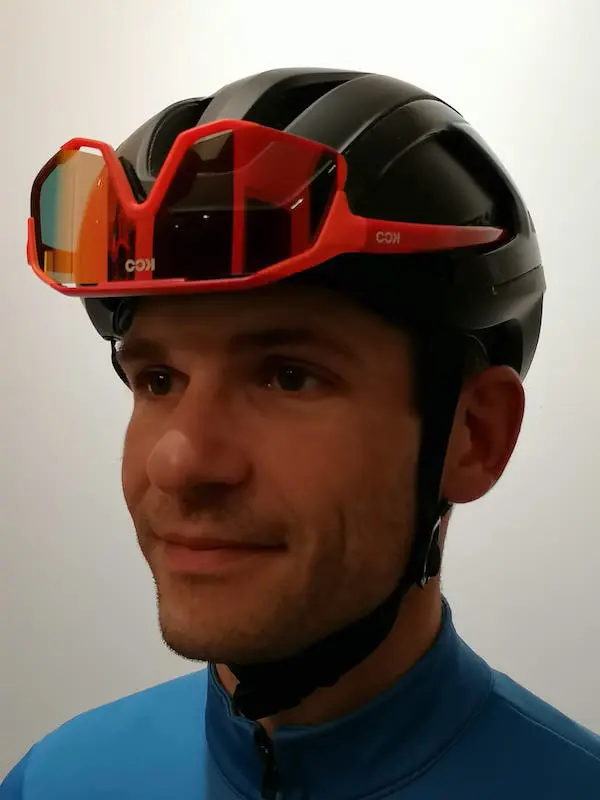
While riding, the Lazer Vento meets our expectations, proving pleasant to wear, without creating pressure points and without obstructing the field of vision at the front. Once the correct retention adjustments are found, it does not move on the head and seems particularly well ventilated for this type of product designed to cut through the wind. The adoption of KinetiCore technology is completely transparent here, and does not alter the riding experience in any way. Obviously, we did not push the test to the point of falling on our heads to demonstrate the validity of this new rotational impact protection system. It should be noted, however, that in the event of an accident, it is highly probable that some internal blocks will be damaged given their lower density than that of the helmet shell, which means it is time to change helmets, at the risk that it will no longer provide protection. Lazer also offers a crash replacement service, which allows you to purchase a new helmet at a reduced price after a fall.
Regardless of KinetiCore, which is a real revolution, and the aerodynamic performance that we cannot verify, the Lazer Vento is a success, both in terms of look and comfort. Only its tightening system is not the most practical to use while riding, but it is rare to have to readjust it once you’ve started. The price is certainly in line with the product’s high-end level, but it remains acceptable given the prices applied by the competition.
| The LAZER VENTO KINETICORE helmet in brief… Rating: * Rotational impact protection system: KinetiCore – Retention system: ScrollSys – Compatibility: Lazer Universal LED light – Certifications: CE/CPSC/AS – Colors: Matte black/glossy black, black/white – Sizes: S (52-56), M (55-59), L (58-61) – Weight: 289 g in size M – Price: €259.99 Contact: lazersport.com |
=> SEE ALSO : All our Gear articles
Share the post "Review of the new Lazer Vento helmet, featuring revolutionary KinetiCore technology for rotational impact protection"