Share the post "Time Scylon Review"
Despite several changes in ownership in recent years, Time remains a leading brand. The Scylon isn’t new, but it remains one of the market’s most reliable choices, thanks to its impeccable performance and finish. By Guillaume Judas – Photos: Vincent Lyky
For the past year, Time Sport has been owned by Cardinal Cycling Group, a Franco-American investment and management group active in the cycling industry. After numerous twists and turns, the French brand was sold by the Rossignol Group, which had made no secret of its ambitions at the time of its acquisition of Time in 2016. Ultimately, the pedal business was sold to SRAM, and the factory in Vaulx-Milieu, in the Isère department, was permanently closed. Time frames are now manufactured entirely in Slovakia at one of the brand’s factories, but still using the RTM (Resin Transfer Molding) manufacturing process, which is unique in the bicycle market. The tubes are woven from carbon fibres, then positioned on a removable core, before epoxy resin is injected under pressure. Certain complex parts, such as the fork dropouts or the stem, are produced using a compression system (CMT—Carbon Matrix Technology). 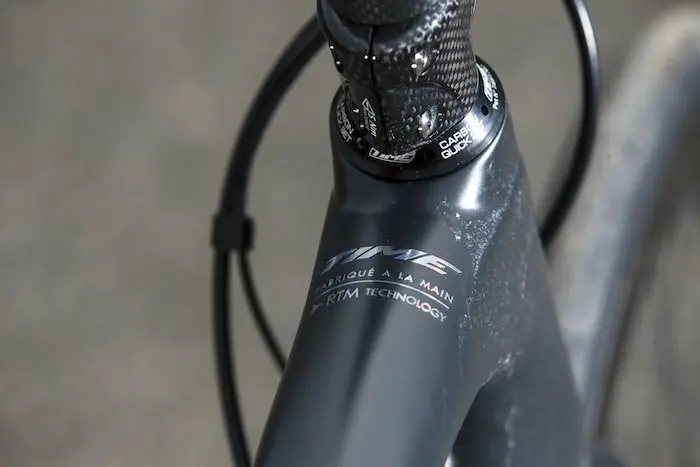
Even though they’ve lost their “Made in France” label, Time frames retain their originality and deliver exceptionally appealing handling on the road. Of course, frames today are lighter and, above all, better integrated, but it’s hard to find one that’s more balanced. With its manufacturing process and slightly old-fashioned charm, the Scylon remains appealing, especially to those who remain immune to the siren song of marketing. Its style makes it timeless—or nearly so—and the finish is of the highest quality. For many, buying a Time is a long-term investment.
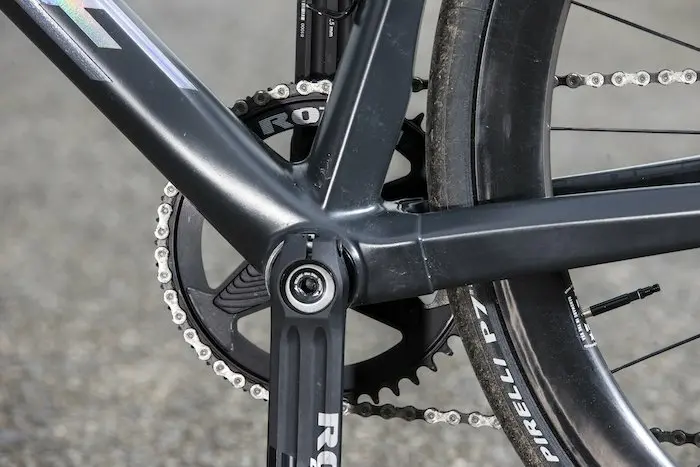
Available with both disc brakes and rim brakes—it’s important to note this—the Scylon frame is the brand’s top-of-the-line model, and it comes in two versions: the Scylon at €3,999 and the Scylon Aktiv, featuring a fork with dynamic struts to reduce vibrations, at €4,399. The range also includes the Alpe d’Huez model starting at €2,499 and the Alpe d’Huez 01 starting at €3,699—frames designed with a focus on lightness and comfort.
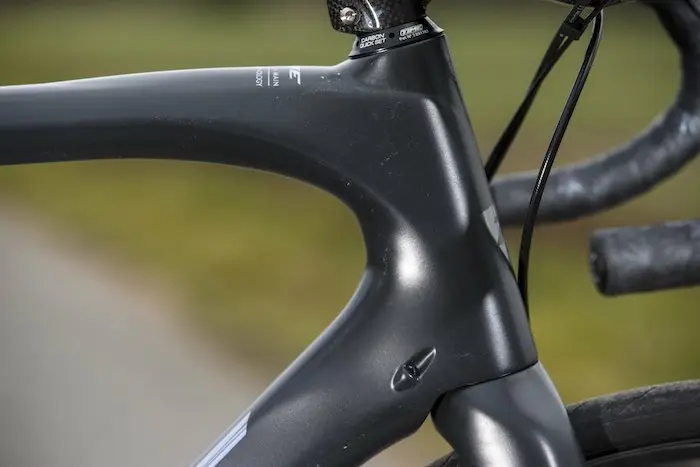
The Scylon is therefore the brand’s pure competition bike, featuring aerodynamically shaped tubes and constructed primarily from high-modulus carbon fiber, which ensures stiffness and lightness. Vectran fibers are also integrated to absorb vibrations. The Scylon is thus a stiff bike that’s also comfortable, allowing for consistent performance even over long distances.
 A high-end build
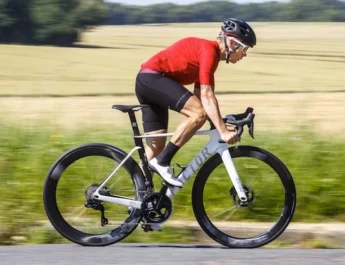
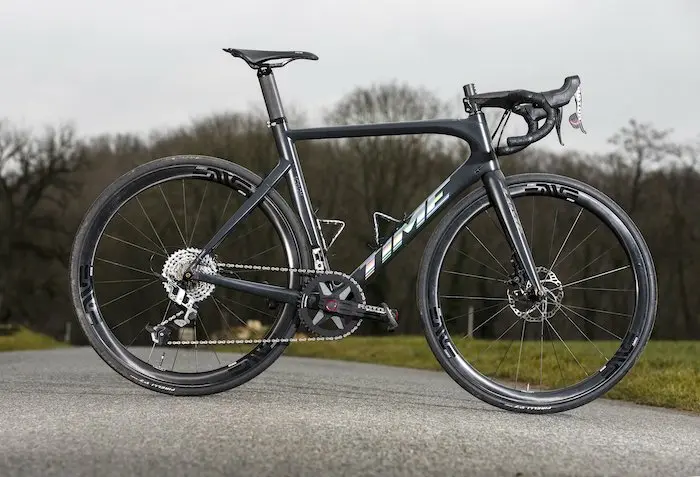
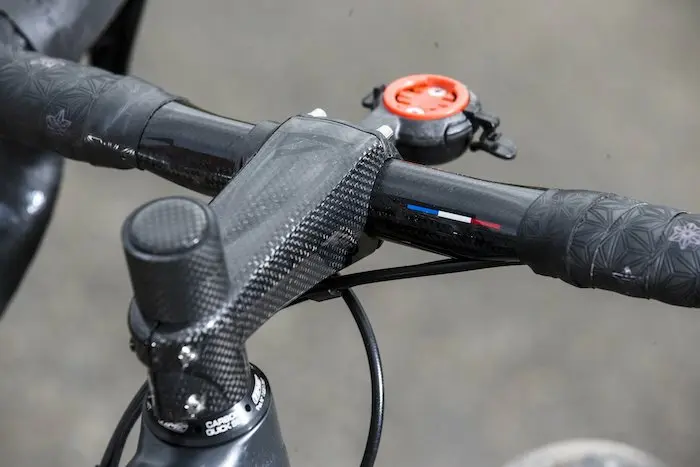
For this test, AlternativSport—the company that now distributes Time in France, among other brands—sent us a bike with a very high-end build: a Rotor 1×13 groupset, Enve SES 3.4 wheelset (38 mm front, 42 mm rear, weighing approximately 390 g) mounted on Rotor Rvolver hubs, Pirelli P7 tires, a Repente Prime saddle (160 g), a Time Ergodrive handlebar (230 g), and a Time Monolink stem (130 g), Supacaz carbon handlebar tape and bottle cages (26 g each), a Close The Gap computer mount with an integrated bell, and Suntour QLoc Thru Axle quick-release skewers (not very practical to use). The total weight is 7.4 kg without pedals in size M. https://www.3bikes.fr/2021/12/30/test-du-groupe-rotor-1×13/
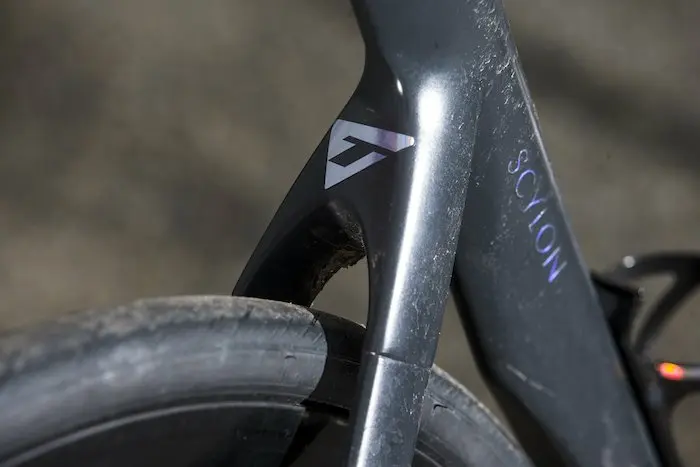
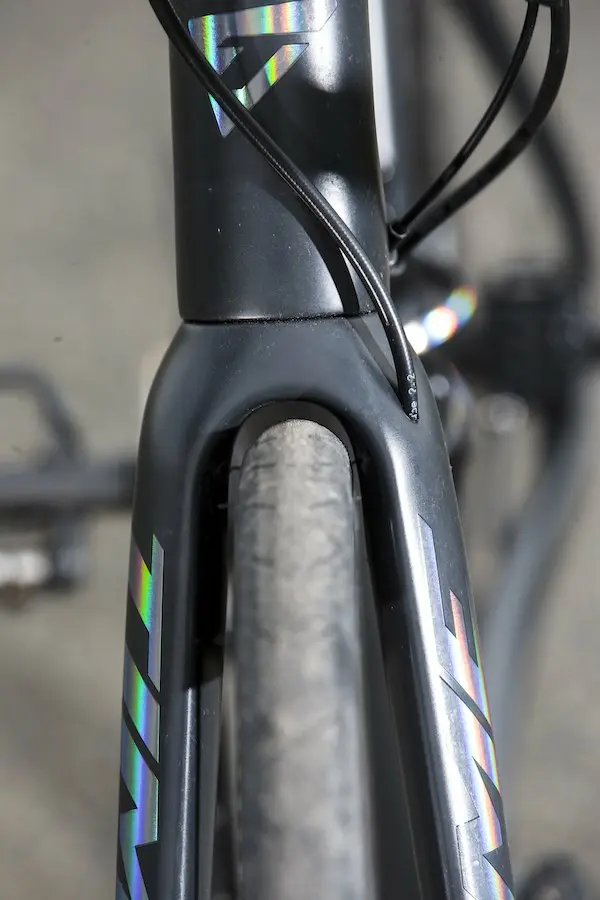
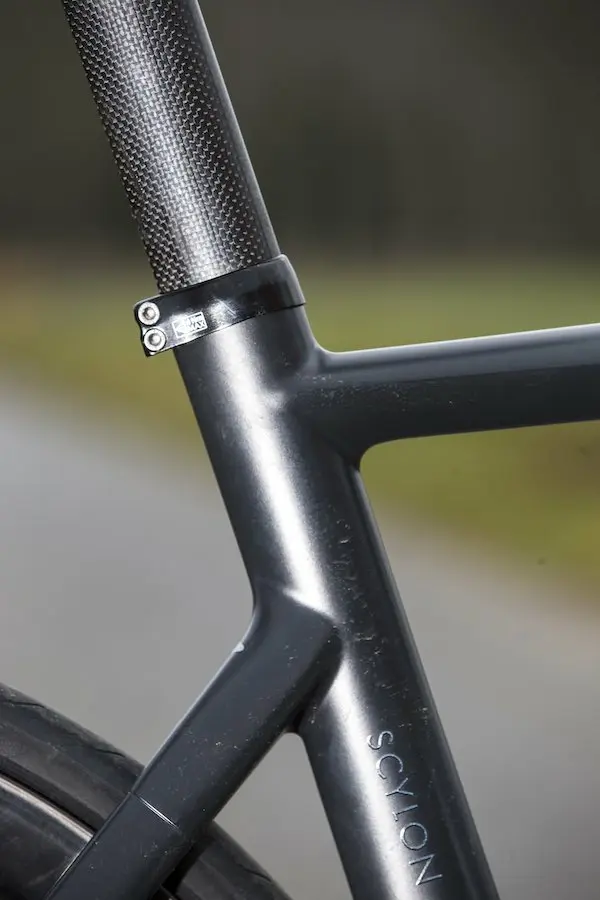
While this disc-brake version of the frame kit retains the routing of the brake and derailleur hoses (since the Rotor groupset uses a hydraulic drivetrain) along the front of the head tube, it does feature streamlined shapes for the seat tube, seat stays, the chainstays, and the fork steerer tubes, as well as a Kamm Tail profile for the down tube and top tube. The head tube remains relatively thick, as does its junction with the two main tubes. In the rear triangle, there is very little space between the wheel and the frame—a design choice made to enhance aerodynamics. The finish is top-notch, with an easy-to-clean satin paint and stunning holographic logos.
 A Bike That’s Still in the Game
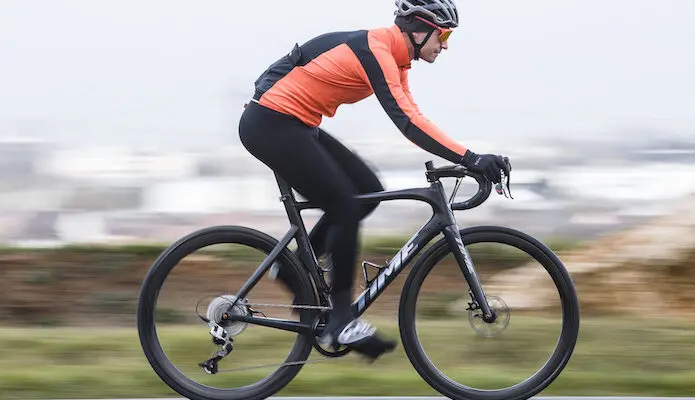
The Time Scylon’s design may be a bit dated, but it’s hard to deny that its performance is on par with more modern models. The frame stands out for its consistent stiffness, without being harsh. The bike is one of those so-called “demanding” models—in the sense that you need to be in good physical shape to get the most out of it—but if you are, what a treat! On the hilly, windy roads of the Chevreuse Valley, the Scylon is right at home regardless of the terrain’s gradient.
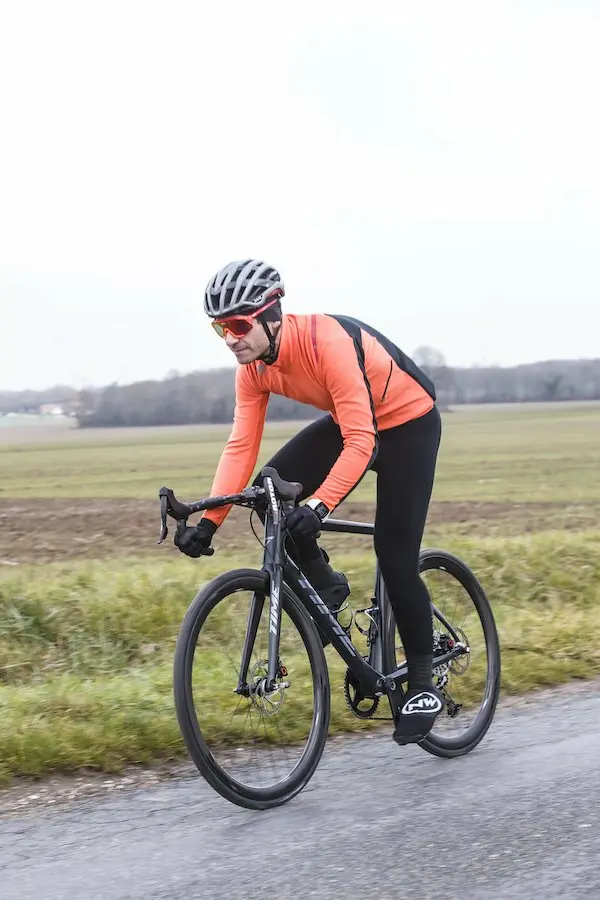
On the flat, it stays very stable when you’re hammering along in a big gear. During powerful accelerations, it never loses its composure, and the Enve wheelset even adds a touch of extra responsiveness so you can quickly regain cruising speed after a tight corner, for example. When firmly settled into an aerodynamic position and exceeding 40 km/h, it’s hard to tell the difference between this bike and the very latest models of its kind. The head tube is, however, a bit high, forcing more athletic riders to bend their elbows sharply to achieve an aggressive riding position.
On hills, it allows you to climb efficiently by accelerating and using a high gear ratio, or even by applying force with a low cadence, as long as your legs hold up. On the other hand, when fatigue sets in, don’t count on a slight rebound effect from the frame to compensate for impaired coordination. When you feel like you’re running out of steam, it’s better to shift to a lower gear and climb at a steady pace rather than trying to fight the bike. 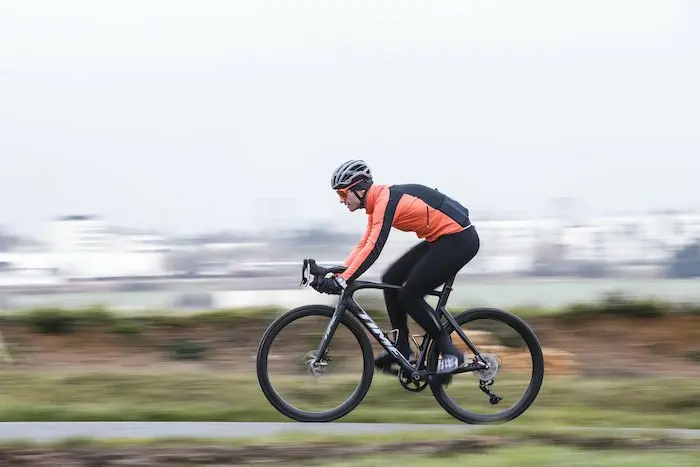 On descents, the Scylon’s handling is impeccable, especially since it absorbs road irregularities very well. Vibrations are not excessive, and the feel of the road is quite smooth. In the city, navigating roundabouts, speed bumps, and other road features that require frequent acceleration, the bike proves to be precise and responsive—provided you maintain a dynamic riding style.
As you can see, the Time Scylon is a thoroughly successful bike that fully lives up to its reputation as a competition bike. In fact, it’s a bike that was still being used by professional road cyclists in 2018 (with St-Michel-Auber 93) and even in triathlons for Olympic-distance events. It handles a variety of terrains with ease, but you need to be in good shape to fully appreciate its potential. In this disc-brake version, it doesn’t suffer from any significant weight issues thanks to its high-end components and high-performance wheels. The price remains relatively high for a product that is no longer manufactured in France and isn’t exactly new, but this should be put into perspective by the fact that Time owners generally keep their bikes for a long time. 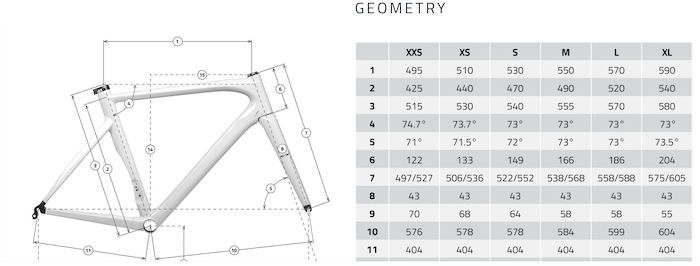
The Time Scylon in brief… Rating: ***** Pros: stiffness, comfort, finish, Cons: model launched several years ago, head tube slightly too high Frame: RTM carbon, high-modulus fibres and Vectran; Fork: RTM carbon with CMT inserts; Stem: Time Monolink; Handlebar: Time Ergodrive; Seatpost: Time Aero; Sizes: XXS-XS-S-M-L-XL – Weight: 950 g for the frame only – Price: €3,999 (also available with an Aktiv fork and/or integrated Translink seatpost) – Price of the complete bike: approximately €9,500 Contact: alternativsport.com |
=> SEE ALSO: All our Gear articles
Share the post "Time Scylon Review"