Share the post "Eating Fat to Perform: The Ketogenic Diet, or the Pros’ Secret to Being Lean"
What if the secret to being lean was to eat fat? Have you ever heard of the ketogenic diet? More and more professional cyclists are turning to this diet, with significantly improved performance as a result. So, you who read 3bikes.fr and love to cycle, you might be wondering what this diet consists of and if it can adapt to your practice. So we’re going to try to understand it. And we’ll also try to see if we can copy this model.
By Jean-François Tatard – Photos: Depositphotos.com
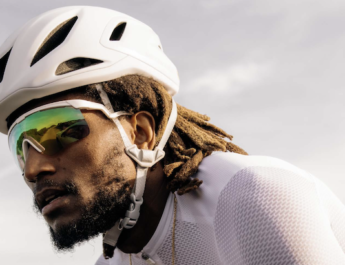
It’s not just the morphology of professional peloton cyclists that has changed. The color of their plates has also changed. So, silhouette and plate rhyme, and we can imagine that the two generally evolve in concert, but it’s probably a little more complicated than that. No more huge plates of pasta at every meal! No more only eating fruit jellies during races. Sugar and various sources of carbohydrates in all forms have almost disappeared from riders’ nutrition. At least outside of decisive efforts in a race.

A look at the plate
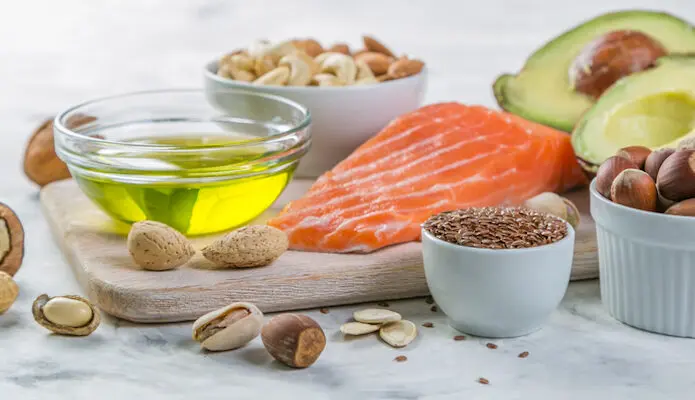
And conversely, long forbidden in champions’ diets, as it was associated with weight gain, the bottle of oil has appeared in the kitchen. Tour de France cyclists have thus learned to fuel themselves with fats. Now riders eat lipids. At the same time, they significantly reduce their sugar intake. We are far from what we were taught in cycling school. 30 years ago, you needed starches at every meal. Bread and jam for breakfast. Noodles or potatoes for lunch. A semolina cake for dessert. And in the evening, another big bowl of rice. Grenadine in the water bottle and three bars in the pocket to do 100 km. But today we are talking more and more about a HIGH-FAT / LOW-CARB diet. Even fruits are limited in the modern cyclist’s diet. They now eat very large quantities of vegetables, but the most surprising thing is the amount of fat: almonds, hazelnuts, walnuts, pumpkin, flax or sunflower seeds, fatty fish, avocados, butter, olive, coconut, walnut or rapeseed oil season raw or cooked vegetables. And not just to make them more flavorful. And this has a name: we’re talking about a ketogenic diet!

The ketogenic diet is therefore a diet essentially based on lipids and significantly depleted in carbohydrates. Indeed, it consists of approximately 80% lipids, 15% proteins, and 5% carbohydrates. This nutritional model has existed for several years. But it was reserved for the treatment of certain pathologies such as diabetes. Or others such as cardiovascular diseases. Today, this diet has gained popularity in the peloton. Dietary recommendations for endurance sports have always recognized carbohydrates as the ultimate energy substrate for effort. Yet I have just explained the exact opposite to you. So what is actually happening in the body for this type of change to have occurred?
Carbohydrate hunt
The main role of carbohydrates is to provide energy to the body. When consumed, they are digested and absorbed in the intestine in the form of glucose. Once absorbed, glucose enters the bloodstream and raises blood sugar levels. This is called glycemia. Glucose then becomes available to be used as energy by the body. Except that when there is no more glucose in the blood, we draw our energy from other reserves. In this case, from the liver and muscles. Have you ever heard of “hitting the wall” in a marathon? This is precisely when reserves are depleted. And this corresponds to more or less two hours of physical effort at 80-85% of maximum capacity. This is why you need to consume carbohydrates if your intense activity goes beyond this duration…

If you don’t consume carbohydrates, the body has to draw its energy from elsewhere. At first, it will draw from its glycogen reserves. Except that after 24 hours of fasting, for example, glycogen reserves are completely depleted. And guess what? The body adapts and uses lipids as its main energy source. The transformation of lipids into energy leads to the production of a waste product called ketone bodies. This is how we can say that the body is in a state of ketosis. And this is finally what arouses our curiosity here…
What are the impacts and benefits of a low-sugar diet?
Generally, as we know, the body uses several types of nutrients to produce the energy it needs. Carbohydrates first, then lipids, and finally proteins. And in the context of a ketogenic diet, the body adapts to the absence of carbohydrates by producing molecules called ketone bodies from lipids. This is where the name of the ketogenic diet comes from. These ketone bodies are then used by our cells. Thus, the body is able to run on two types of fuel. Nevertheless, switching to a ketogenic diet requires an adaptation period. It doesn’t happen that easily. At first, there is a phenomenon of fatigue and intense hunger. But then, with the ketogenic diet, there is very little insulin production because very few carbohydrates are consumed, and lipids are more easily used by the body than in a conventional diet, which often also leads to weight loss.
The goal is not only to lose weight, the goal is also to delay the use of sugar as fuel as long as possible.

The goal is not only to lose weight, the goal is also to delay the use of sugar as fuel as long as possible. By following this diet, we try to make lipids the main fuel during exercise in order to spare the glycogen stored in the muscles and liver. And this allows maintaining a satisfactory level of glycogen without negative influence on muscle mass. This diet is not new. It has been used for a long time. But initially, the goal was not at all performance. This diet was for people with obesity or type 2 diabetes. However, more recently, it has been realized that with the ketogenic diet, it would be possible to gain efficiency over long distances and save reserves.
A diet for whom?
Many elite athletes have adopted it. But it is not certain that everyone benefits from this diet in the same way. Studies are lacking. But what seems obvious is that the implementation of this dietary protocol must be based on an individual’s food preferences. Despite this concept of keto-adaptation in sport dating back to the 90s, we are still in the early stages of understanding this dietary paradigm. But it is impossible to deny that it has improved the performance and metabolism of Tour de France champions. The only thing is that you still have to take the concept with a grain of salt. The performance of champions and their eating habits are medically controlled and supervised. Moreover, it is personalized and linked to real-time blood sugar levels. Have you ever noticed the patch some riders wear on their arm? Some athletes are now able to know exactly how their body reacts to their nutritional strategy to push their athletic limits. They have real-time visibility of their blood sugar levels thanks to the new Supersapiens ecosystem equipped with the Abbott Libre Sense Glucose Sport biosensor. The data provided by the sensor and the application indeed allow for precise adjustments at strategic moments to achieve the best level of performance. They make it possible to determine the type of food to ingest, its quantity, and the moment it is consumed to avoid sudden peaks or drops in blood sugar. Over time, athletes benefit from an energy intake better adapted to their needs for even more optimal performance.
So yes, this ketogenic diet is probably interesting. And by seeking a more individualistic approach to dietary prescription, keto-adaptation deserves to be considered for amateurs as well. But not in an improvised way…
We remain cautious
With the ketogenic diet, it would be possible to gain efficiency in endurance sports such as cycling or triathlon. But in any case, before switching to the ketogenic diet, at 3bikes.fr we believe that you should first have tested a healthy and as conventional a diet as possible. And if you intend to use it for weight loss, why not, but keep in mind that without a lasting change in your eating habits, you run a high risk of regaining the lost weight when you stop the ketogenic diet. As for the direct impact on performance, we still lack sufficient information to be completely precise in following a protocol. In short, we believe that it is not for everyone. It is important to do your research and seek guidance from competent professionals…
=> SEE ALSO: All our Coaching articles

Share the post "Eating Fat to Perform: The Ketogenic Diet, or the Pros’ Secret to Being Lean"