Share the post "Cannondale Topstone Neo SL 1 Electric Gravel Bike Review"
The Cannondale Topstone Neo SL 1 embodies a category of bikes where electric assistance makes perfect sense: gravel. With its EbikeMotion motor placed in the rear hub, it offers smooth and valuable assistance just when needed, and allows the Topstone to gain versatility, whether for daily commutes or weekend escapes off-road. And the good news is that the model is relatively affordable.
By Guillaume Judas – Photos: Vincent Lyky
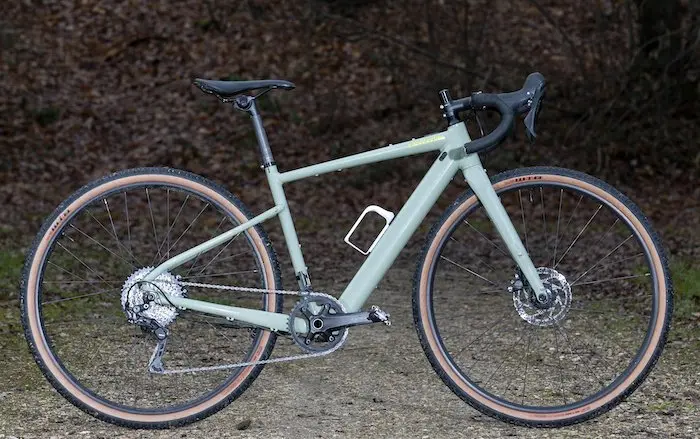
Cannondale offers no less than seven models of electric-assist gravel bikes, including the Topstone Neo SL 1 and SL 2 versions, based on an aluminum frame, which are the lightest and most accessible, at €3399 and €2899. The five versions of the Topstone Neo Carbon (from €4799 to €9999) are equipped with a Bosh mid-drive motor with 85 Nm of torque and a 500 Wh battery, but weigh almost four kilos more. A different world, both in terms of power and autonomy, but also in terms of handling. Because with the Neo SL, the American brand primarily sought versatility, with a smooth and relatively transparent rear-wheel assist that offers only 40 Nm of torque where necessary, and a smaller 250 Wh battery perfectly integrated into the frame. Thus, with its assistance, its aluminum frame, its 42 mm tire width, and a Shimano GRX 600 groupset with a single chainring and 11 speeds, the Topstone Neo SL 1 weighs just 13.5 kg, which remains relatively close to the best electric road bikes, and very far from city bikes or even assisted mountain bikes, which are much heavier. In the game of differences, the Neo SL 2 is equipped with a double chainring 10-speed groupset (Shimano GRX 400), which adds a little weight, as well as slightly less performing tires, but it is priced €500 less. A great deal too!
Three levels of assistance
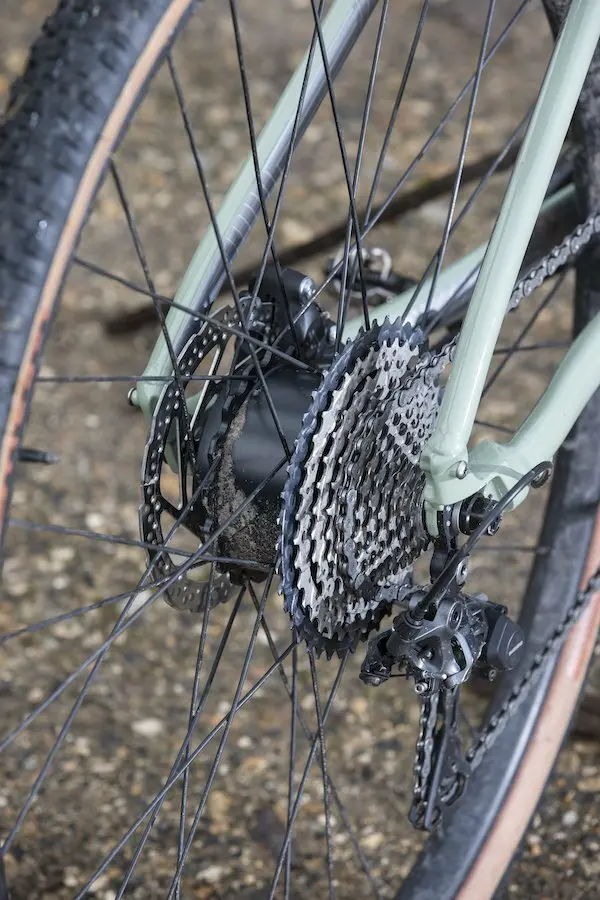
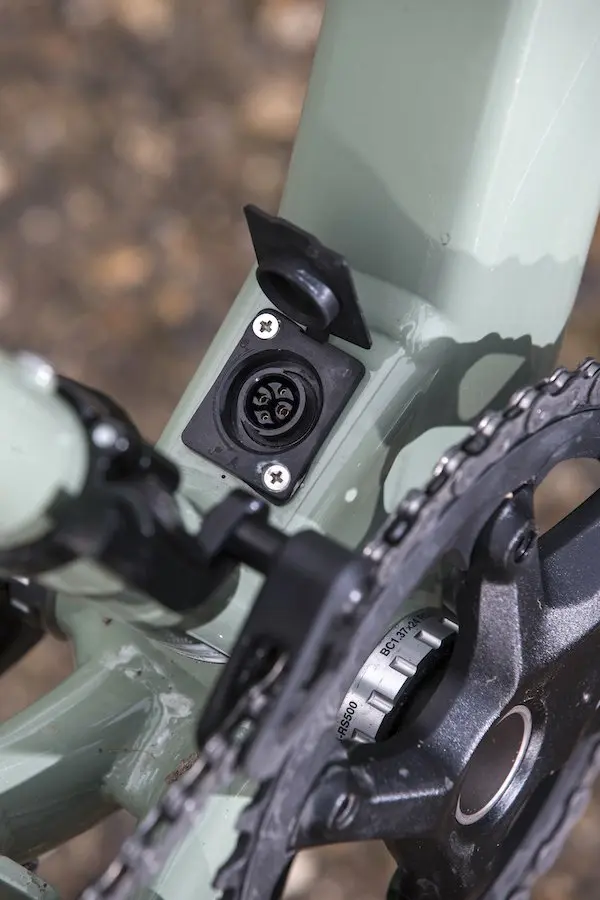
This 250 W Mahle EbikeMotion X35+ assistance is already praised on road bikes for its smooth operation, its silence, and the almost transparent transition felt when it stops working, especially above 25-26 km/h. And the torque is distributed in such a way that it primarily provides valuable assistance around 15 to 18 km/h, except for the first level of assistance, which mainly helps to offset the bike’s extra weight during starts and low-speed accelerations. The only drawback of this system is the removal of the rear wheel, with two large bolts on each side (16 mm open-end wrench or 8 mm Allen key), which requires disconnecting the power cable located under the left chainstay. Be sure to bring the necessary tool before heading off-road!
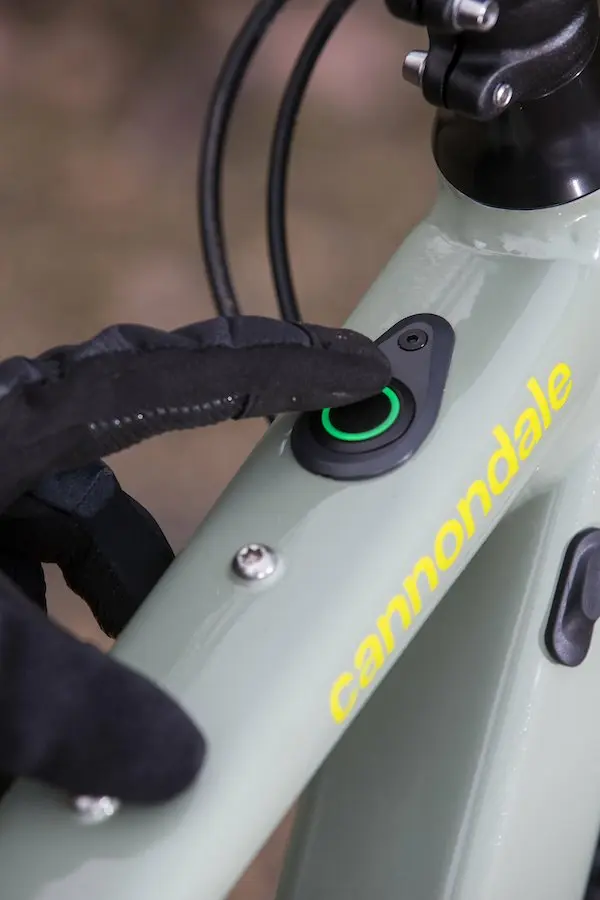
Three assistance modes are offered, each with a color code (green, orange, red) on a button located on the top tube of the frame. The indicator light continuously displays the battery charge level: white = above 75%, green = between 50 and 75%, orange = between 25 and 50%, and red = below 25%. By pressing the button, the assistance mode is indicated by a flashing color: white = no assistance, green = level 1, orange = level 2, red = level 3. By briefly pressing the button while it is flashing, you switch from one assistance level to another.
Even with the maximum level, you still have to work hard to reach a speed close to the assistance cut-off (legally 25 km/h), whereas an ascent around 15 km/h can be greatly facilitated by the motor’s maximum power output. This type of machine is therefore not intended for breaking records, but rather for making certain difficult sections easier, and allowing less trained cyclists or those with health issues to enjoy more challenging routes without overexerting themselves, especially by avoiding excessive strain on the heart.
This type of machine is not intended for breaking records, but rather for making certain difficult sections easier.
To give you an idea, we conducted a small experiment on a 700 m uphill road section with an average gradient of 4.3%, but with a 6% section, maintaining a target intensity of 140 beats per minute.
Without assistance = 17.7 km/h average
Assistance 1 = 20.9 km/h average
Assistance 2 = 24.1 km/h average
Assistance 3 = 24.6 km/h average
The comparison is more difficult on rough gravel terrain, but it is in the steepest climbs that the assistance proves most effective, provided, however, that a good pedaling cadence is maintained (above 70 rpm). This implies finding the right compromise in terms of breathing, if you don’t want to push yourself too hard.
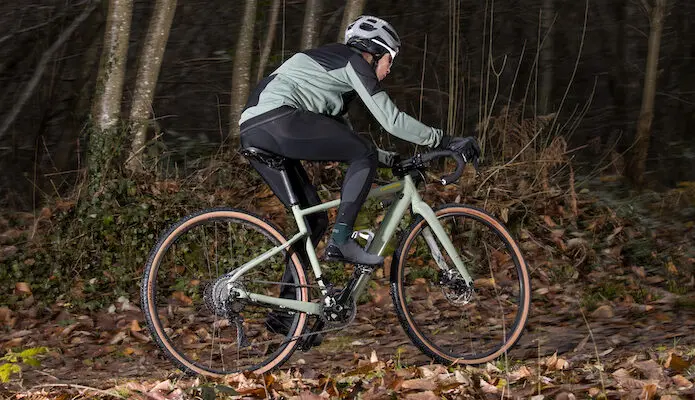
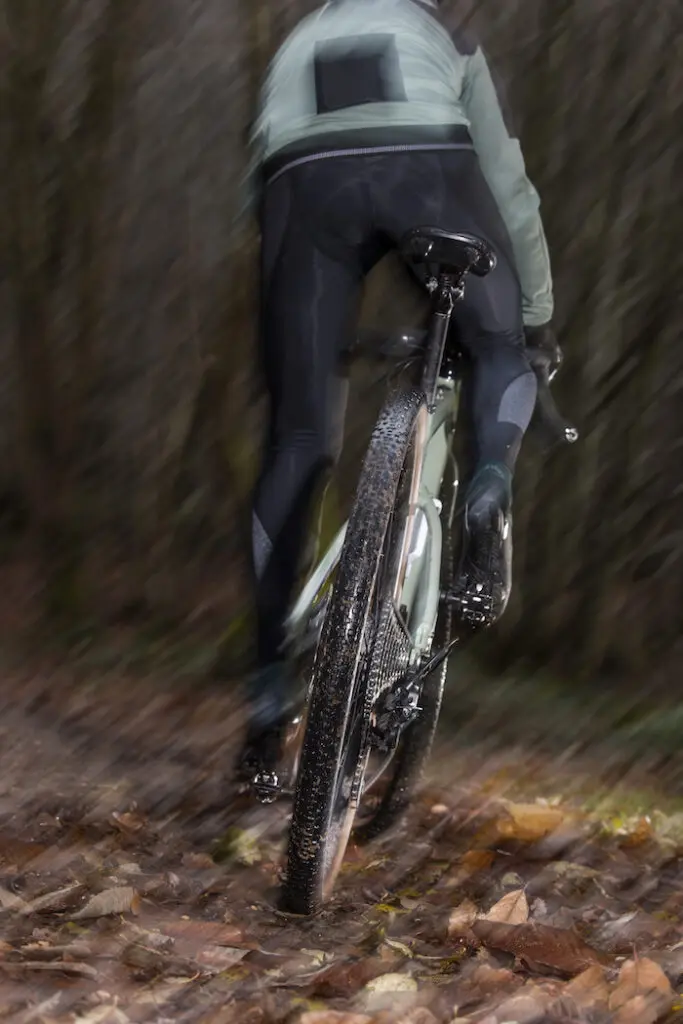
Assistance is also a great help off-road, especially on muddy paths where it provides a significant boost in traction. On forest singletracks, handling is made easier by the assistance provided during low-speed accelerations. But for more control, it’s better to select the assistance mode carefully, depending on the speed of travel, especially since it takes a small second for the motor’s power to cut off after you stop pedaling.
This type of bike therefore remains sporty if you really want it to be, as it doesn’t completely eliminate the notion of effort, but it can be very helpful if you are primarily looking to conserve energy. This is also one of the reasons why the Topstone Neo SL 1 can be interesting for bike commuting, as it allows you to cycle without arriving at work all sweaty, by riding in a relatively economical way. In traffic, the assistance also offers more decisive and safer accelerations, especially after traffic lights. Moreover, with its numerous mounting points for bottle cages, mudguards, racks, or lights, it proves surprisingly versatile.
Sufficient range?
Obviously, the advertised range (up to 75 km) depends on the user’s weight, the elevation gain, and how the assistance is used. In reality, you can achieve much more by riding on rolling trails and paved sections, where the machine allows you to easily exceed 25 km/h frequently. And even if an assistance mode is engaged, it automatically and very smoothly cuts off once the speed limit is reached, preserving the battery. For our part, we were able to complete two rides of 70 km and 600 m of elevation gain without recharging, using assistance only on uphill sections and very muddy parts. And even if the indicator eventually turned red, there was probably enough power left to ride a few more kilometers using the motor. Once the motor is completely off, the bike’s weight becomes particularly noticeable, but the bike’s sporty geometry, its large 700c wheels, and its minimum gear ratio of 40/42 still allow for better riding than a mountain bike.
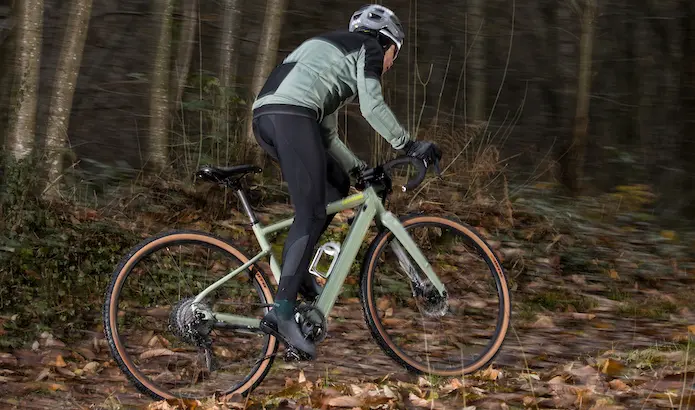
In difficult conditions, such as a long climb, it is necessary to manage the battery and not always seek maximum assistance if you want to reach your destination. This confirms the idea that this type of bike allows you to push certain limits, but without exaggeration. Note that it is possible to connect the bike to the EbikeMotion application on a smartphone, to know the actual battery status, as well as the engaged assistance mode, in case of doubt on the trail.
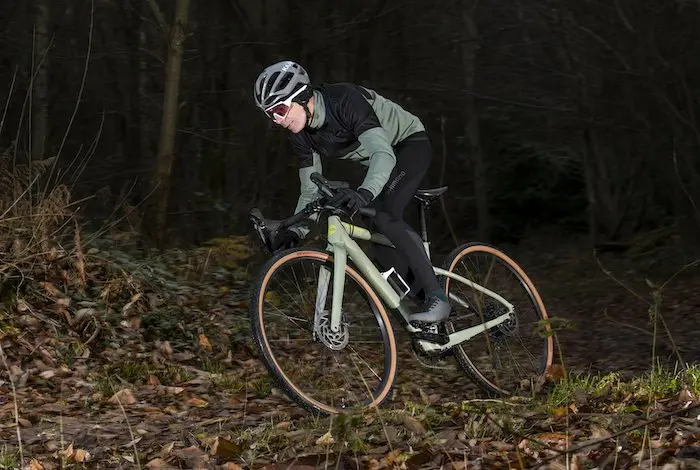
Very sound handling
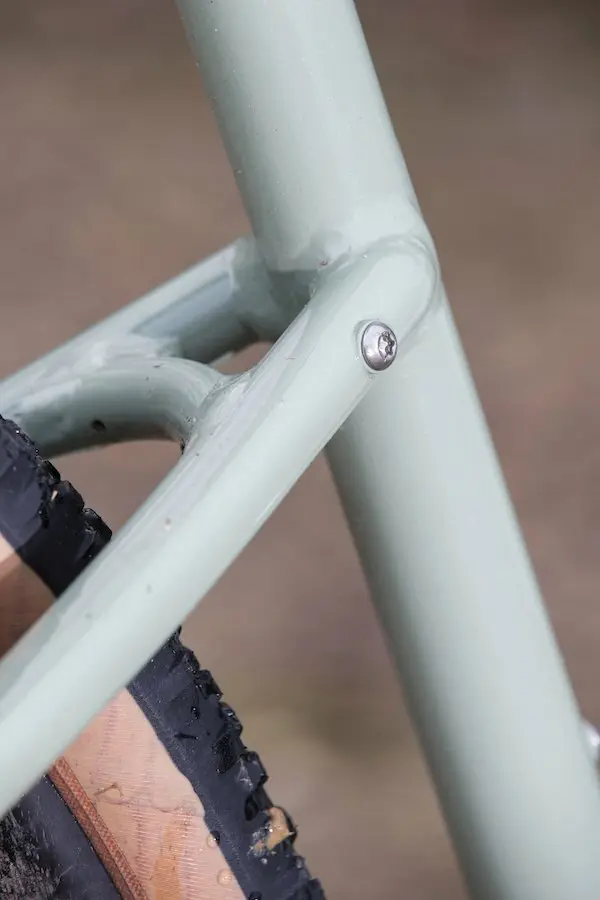
For the rest, the Topstone Neo SL 1 relies on a SmartForm C2 Alloy frame, a technology perfectly mastered by the brand for nearly 30 years. Cannondale was even one of the pioneers of this material on the road in the late 90s. Although visible, the welds are regular and the frame exudes solidity, without displaying an abnormal weight. The fork, for its part, is full carbon. Beyond the GRX 600 groupset with a 1×11 drivetrain, we appreciate the handlebars with a 16° flare for better machine stability on descents and a comfortable Fizik Aliante Delta saddle, which offer a very inviting and versatile overall position, whether for leisurely rides or more committed pedaling.
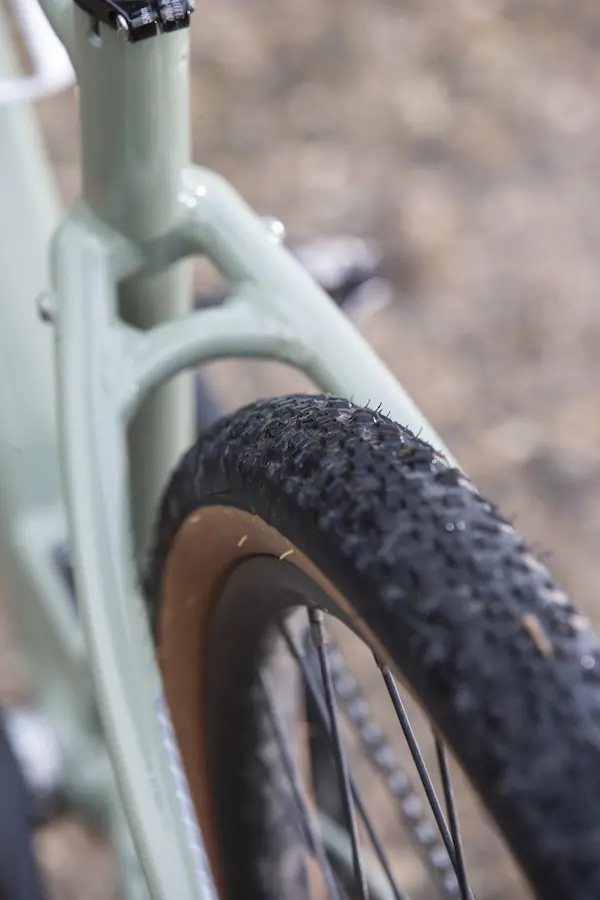
The wheels, with Formula hubs at the front and the EbikeMotion motor at the rear, and their 28 and 32-hole Cannondale aluminum rims, are fitted with WTB Resolute TCS 42 mm tire width. This setup contributes greatly to the bike’s versatility. First, the tire width. It allows the bike to approach the behavior of a fully rigid 90s mountain bike, with sufficient damping on many types of terrain thanks to the low pressure allowed (around 1.8 bar for us), which offers a lot of grip in the mud and helps absorb roots or trenches found in the forests of northern France. Then, the knobs. They are shallow, which avoids unnecessary weight gain and prevents mud from accumulating too much on the tread. But they remain well present on the angle, ensuring good control in ruts or muddy turns. In terms of rolling, they are much less hindering than pure mountain bike tires on fast sections, and they perform honorably on the road. Their only drawback, related to their width, weight, and low pressure, is that they make the steering a bit heavy at low speeds, especially when riding out of the saddle.
With its compact frame, precise and silent drivetrain, and reassuring braking, the Cannondale Topstone Neo SL 1 demonstrates very sound off-road handling. It is stable and reassuring on descents, even with some wet gravel, and its traction is never really lacking, thanks to the motor, of course, but also to its weight at the rear wheel. On rolling trails and roads, it feels less nimble than a lightweight gravel bike, of course, but it doesn’t fall apart under effort. And when it comes to more technical sections, it requires slightly less tight trajectories, anticipating the placement of the front wheel, of course, but also the rear wheel. It’s only on flat terrain above 30-32 km/h that the Topstone Neo SL becomes quite hard to ride, mainly due to the aerodynamic resistance of its wide tires.
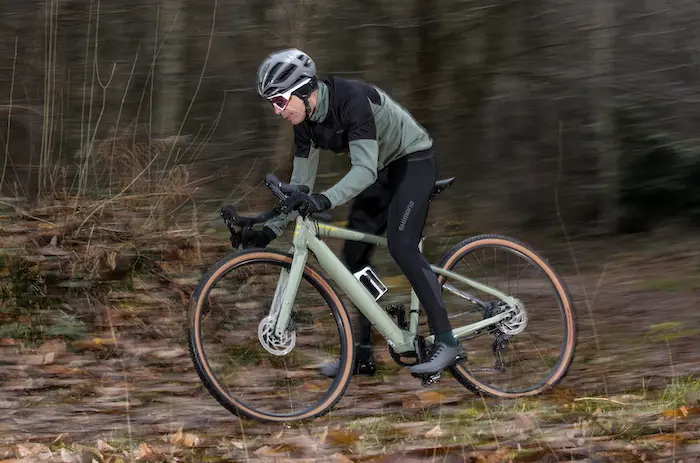
But nothing surprising for this type of bike, which, let’s repeat, is not designed to break records, but only to have fun on varied terrains, ride on roads, cycle paths, trails, and even through woods, while offering the necessary boost thanks to the assistance so as not to return exhausted – or disgusted – from the ride. This electric gravel bike is an excellent surprise, as is its price. A machine likely to find a place in the garage of many riders, whatever their level.
| The CANNONDALE TOPSTONE NEO SL 1 in brief… Rating: ***** Pros: price, versatility, handling, assistance management FRAME: SmartForm C2 Alloy – FORK: Full Carbon – ELECTRIC ASSISTANCE: Mahle EbikeMotion X35+ 250W – WHEELS: Cannondale Disc, Formula CRX-512 and EbikeMotion X35 hubs – TIRES: WTB Resolute TCS, 700 x 42c – CRANKSET: Shimano GRX 600, 40 T – CASSETTE: Shimano SLX, 11-42 – DERAILLEUR: Shimano GRX 812 – BRAKES: Shimano GRX hydraulic Disc – LEVERS: Shimano GRX hydraulic Disc – STEM: Cannondale 3 – HANDLEBAR: Cannondale 3 – SEATPOST: Promax SP-2032 – SADDLE: Fizik Aliante Delta – NUMBER OF SIZES: 4 – WEIGHT: 13.5 kg (without pedals) – PRICE: €3399
Contact: www.cannondale.com |
=> SEE ALSO : All our Gear articles
Share the post "Cannondale Topstone Neo SL 1 Electric Gravel Bike Review"