Share the post "Social Media and Fake News: The New Face of Communication"
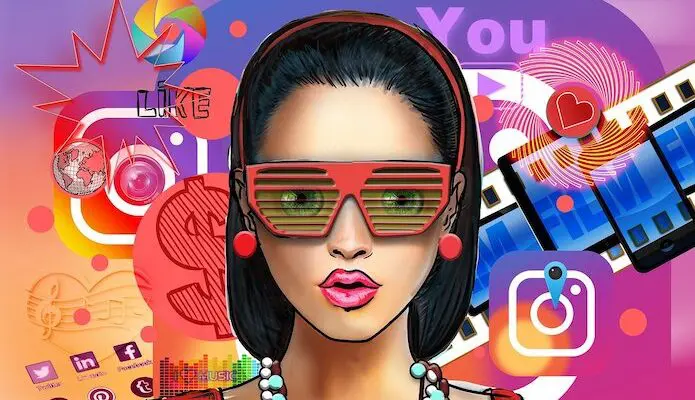
Instagram, Twitter, YouTube, Facebook, and other blogs are their playground. Bloggers have become influencers for some, and are now part of the communication landscape. For those who want to believe it, they even directly compete with traditional media. Specialized press, such as in cycling, is not immune to the phenomenon. What about their credibility?
By Guillaume Judas – Photos: hippopx.com, flickr.com, pixabay.com
The Internet, and especially the use of smartphones, has completely revolutionized our communication methods, as well as how we get informed. Today, we consume information, we jump from one site or application to another, and we sometimes unintentionally take what we see scrolling on our social media feeds as gospel truth. To the point of forgetting the source and favoring or maintaining those who not only master these tools very well, but who also know how to orient this content to serve their own interests. With the consequence of spreading what are called Fake News. An inevitable drift, even if not all those who publish content for free necessarily have malicious intentions. What is certain is that we consume less and less traditional press, preferring to read or watch without paying. If we refuse to pay to get informed, do we ask ourselves who is the person doing the necessary work to provide it? A philanthropist (for how long)? Someone incompetent to the point of not checking and cross-referencing their sources, or even capable of inventing to generate audience with a minimum of work or prior knowledge, or someone calculating who has the idea of placing an oriented, and more or less discreet, message in mind?
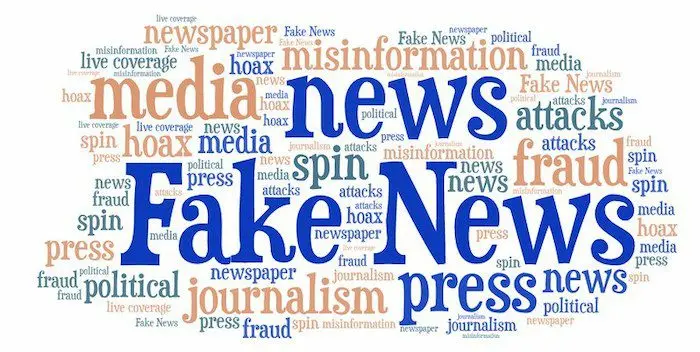
The phenomenon is not new. But it has been exploding since the beginning of the Covid pandemic. A lot of fake news circulates. Figures are distorted, poorly analyzed or interpreted by incompetents, or documents are deliberately falsified and relayed without verification, influencing a part of the population that only gets informed on social networks or alternative media that do not employ any professional journalists. The government’s repeated errors in crisis management create distrust. The media coverage of “reassurers” or those who maintained the hope of a miracle treatment (at the beginning of the crisis) on continuous news channels seeking audience leads to confusion. Facebook or YouTube algorithms (which suggest content related to what you have already viewed, thus giving you the impression that this “current of thought” is not a minority) do the rest.
=> SEE ALSO : France Culture – “There is confusion between institutions and media”
Fewer safeguards
Previously, there were many hurdles to overcome before being allowed to write for a print magazine or newspaper as an editor. And to keep one’s job. Seriousness, motivation, a sense of ethics, and often working in the shadows: the journalist’s calling was (is?) first and foremost to write for their readers, not for themselves, and if possible for a relatively decent salary (to ensure a certain form of independence) but not to the point of getting rich. The financing model of the profession and everything around it was relatively simple and transparent: on one side, sales and subscriptions of the publication, on the other, advertising, to balance the operating costs of an editorial team (salaries, travel, office, printing and distribution of the newspaper). To limit connections between journalists and financial interests, editorial and commercial departments were well separated.
At a time when wealthy shareholders share a few large press groups (thus limiting the number of “schools of thought”), and at the same time when a few rare independents bravely enter the market with publications that aim to be different from others before being caught up by the harsh reality of the market (even if it means denying what they justified their presence for, namely independence from advertising, etc.), and when anyone can create their own website or YouTube channel, the general public has a little trouble taking the necessary step back to differentiate between the professional and the amateur and to sort out the true from the false.
“Participatory journalism”
Today, some do not hesitate to speak of participatory journalism concerning these new information actors. Starting from the idea that the information disseminated, even partially verified and cross-referenced, and because it only corresponds to a part of a reality even if it is not put into perspective, would help the reader in their quest for knowledge. But who are these bloggers or YouTubers who make a business out of a passion for staging? Who are these Twittos hidden behind pseudonyms who create or maintain rumors with all the perversity of this mode of communication? Or in “lecturing” mode. Who are these Instagrammers who become brand muses in exchange for a few well-framed photos and offbeat filters, not to mention the famous hashtags (#iamthesexiest)? The reality is often very sad and far from this glamorous image, apart from the good profile, foundation, and duck face pout. Are readers or viewers really fooled? What credit should be given to them, when more and more brands choose to invest in the hidden messages of these new actors called influencers rather than in traditional advertising?
Because behind these messages disseminated “for your good“, to “re-inform” you, or to make you dream, there are, of course, financial or political motivations. Financial when the people disseminating the message are paid to speak well of it, or when they have something to sell in exchange for the revelation they claim to make. Political when the dissemination of the message aims to create distrust, confusion, chaos, and destabilize democracy.
The fall guys
Not all journalists saw this new competition coming, it’s true. Many did not know how or did not want to adapt to new technologies and their immediacy. Publishers, some of whom make money from paper or information as they would from the price of cotton or carrots, did not understand the work required of their teams to provide quality digital content. With advertising revenue and the number of readers diluted by the arrival of these new players, there were market losses, bankruptcies, and layoffs. Some journalists had to do “odd jobs” (tasks paid by brands, such as company newsletters…) to survive or to fill a few months without activity, thus raising concerns about their credibility and independence. On the front lines and facing their readers’ questions, they are nevertheless the fall guys, caught between their employers’ profitability concerns with the inevitable blackmail of employment that comes with it, and the embarrassing competition from information amateurs. Amateurs who, for the most part, take themselves very seriously.
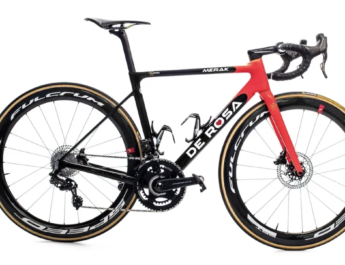
To return to our field, some even go so far as to demand money from brands to feature bikes for testing on a YouTube channel that has only existed for a few months, created at the same time the person first sat on a bike. Without any sense of ethics.
“You don’t need to be a pro to test bikes or talk about equipment, especially when it’s intended for the average cyclist” is sometimes read or heard to justify the place taken by these media. Certainly. But what about independence? One can always accuse a journalist of lacking objectivity for a host of reasons related to their sensibility, but there is a big difference with being paid to speak well or ill of a product or an idea.
Let’s hope above all that readers eventually sort things out, even if the stakes in our field – the specialized press – are quite trivial compared to what is happening in these troubled times of health crisis, and where fake news represents a real danger to health, to democracy, to our freedoms.
=> SEE ALSO : All our CQFD articles
Share the post "Social Media and Fake News: The New Face of Communication"