Share the post "Airofit Pro Connected Breathing Trainer Review"
Respiratory system training would logically improve the power and endurance of breathing during intense exertion, as well as health for people suffering from chronic respiratory diseases. The Airofit Pro system consists of a connected device and an application that offer daily exercises to better utilize one’s lung capacity. We tested it over several months.
By Guillaume Judas – Photos: @3bikes.fr / Airofit screenshots
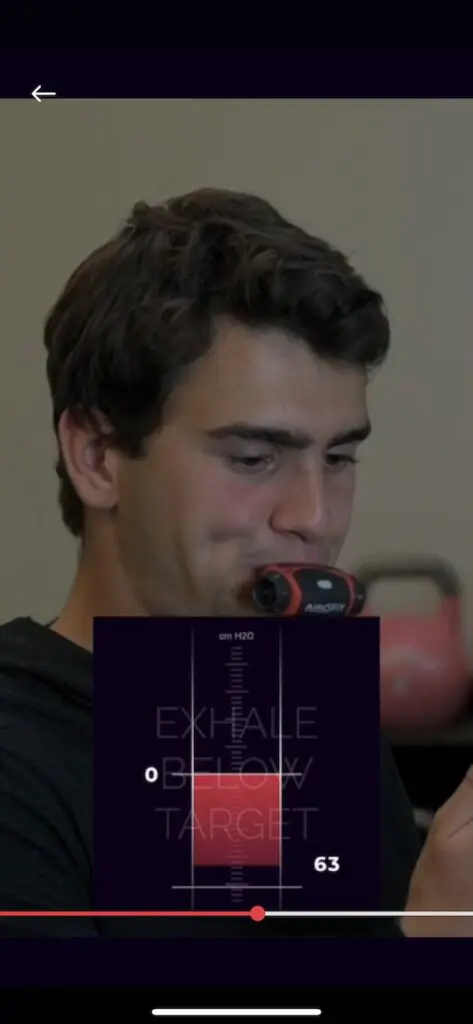
The concept is not entirely new. About fifteen years ago, a device of this type, the Powerbreathe, was already launched on the market, with different resistance levels designed to engage the muscles involved in inhalation and exhalation. More modern, the Airofit is connected via Bluetooth to a smartphone application that not only tests lung capacity but also offers a series of exercises with on-screen instructions and a live curve of the effort performed. Airofit is intended for athletes who want to improve their performance, regardless of the sport, with exercises specifically targeting endurance, anaerobic capacity, or concentration, but also for people suffering from conditions such as asthma, COPD, or post-Covid symptoms, for example.
The benefit of respiratory muscle training
During exertion, the body’s oxygen needs increase, and to meet them, inhalation and exhalation accelerate. The muscles surrounding the lungs are then engaged, and even more so as the effort intensifies. Necessary to use the largest possible percentage of lung capacity and to capture the maximum oxygen with each movement, inhalation engages all the muscles covering the chest, as well as the diaphragm. Exhalation, on the other hand, is useful for thoroughly emptying the lungs and making the most of the next inhalation. It particularly engages the intercostal muscles, the pectoralis major, and the sternum.
Respiratory training therefore aims to enable deeper breathing, so that more oxygen can enter the bloodstream with each breath. Not only do the engaged muscles gain power and efficiency as training progresses, but they also gain endurance, which in turn allows them to consume less oxygen and reserve it for other muscles in action during exertion.
How does the Airofit Pro work?
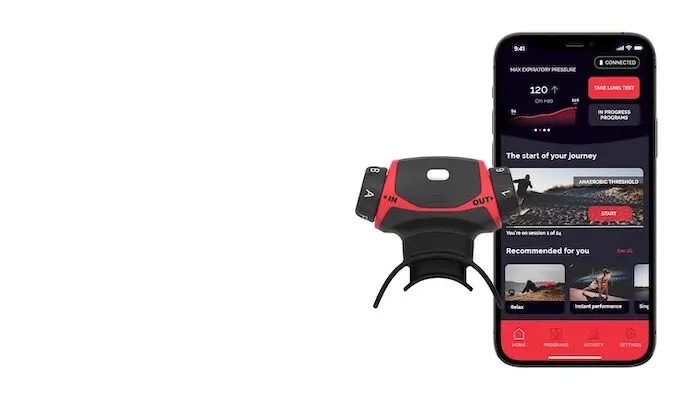
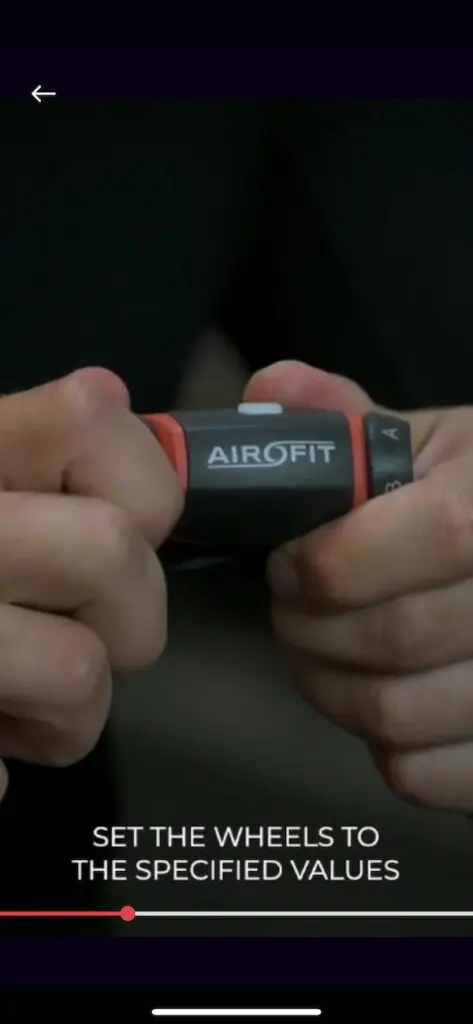
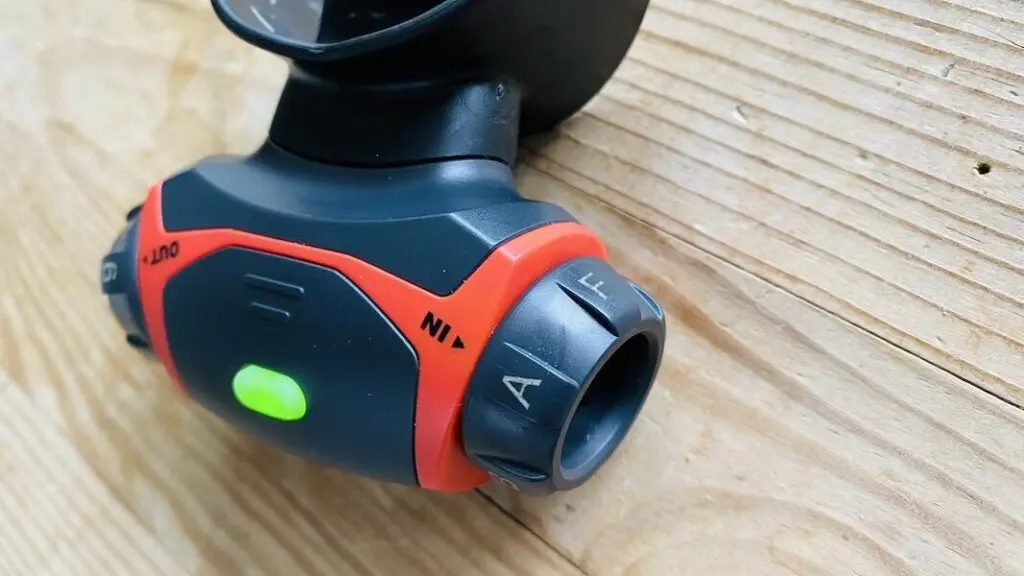
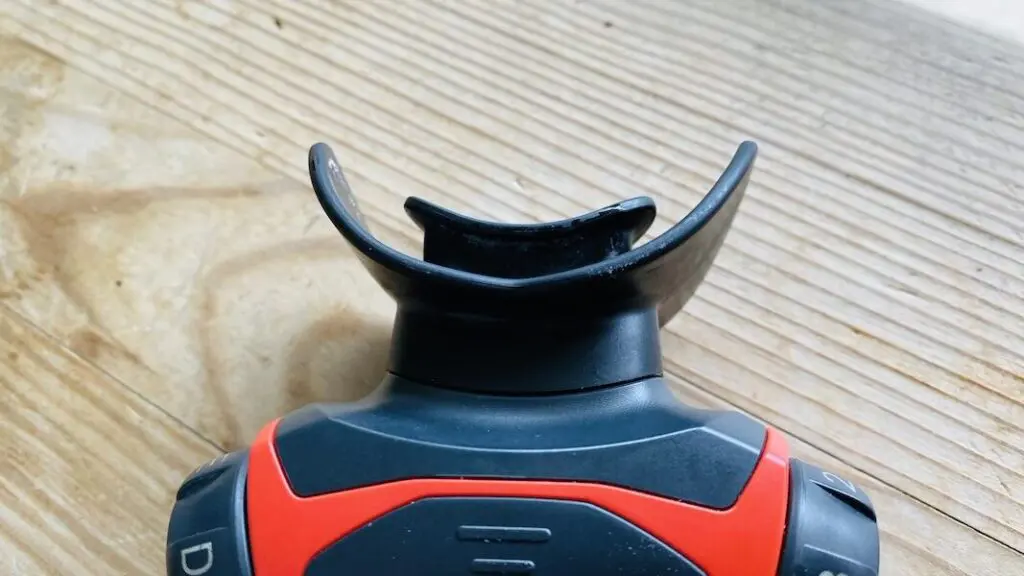
The Airofit Pro is a small, lightweight plastic device, with a mouthpiece to place in the mouth (available in two sizes), and which has two adjustable valves (one for inhalation, the other for exhalation with six levels) for resistance. It is connected via Bluetooth to a smartphone application that allows you to:
- measure lung capacity
- measure inspiratory capacity
- measure expiratory capacity
- record the evolution of these parameters over the weeks
- propose training exercises aimed at improving respiratory strength, lung capacity, anaerobic capacity, stress management, or concentration, with precise instructions to follow live on the smartphone screen
- a complete summary of all exercises performed
Bad news: the price! Still on sale for €279 a few weeks ago, the Airofit Pro has now increased to €379 on airofit.com. This is expensive for the application and virtual coaching, especially since there is also a non-connected Airofit Basic device for €80. Obviously, its use is much less fun and less motivating.
Training with the Airofit Pro
In concrete terms, 5 to 10 minutes of training per day would be enough to benefit from the system’s advantages. But be careful, this is not a walk in the park, and the exercises require concentration and effort to see progress.
For our part, we dedicated 6 to 7 minutes a day to Airofit for several months, with a dual objective: to recover from the severe after-effects of Covid with significantly affected lungs, and if possible, to regain full lung and physical capacity. In the case of such trauma, the psychological aspect and the resulting “blockages” should not be overlooked, especially when it comes to hyperventilation, with memories of respiratory insufficiency.
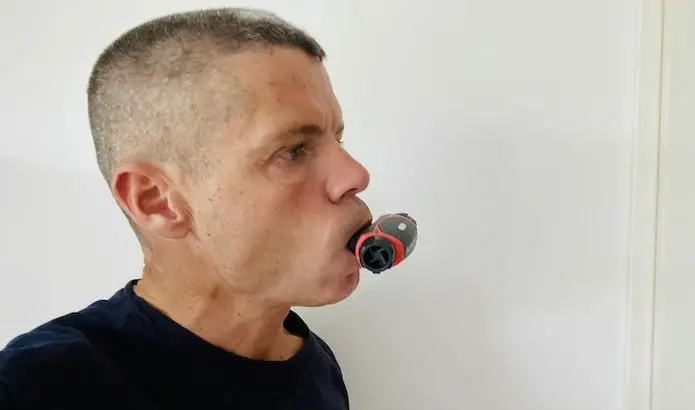
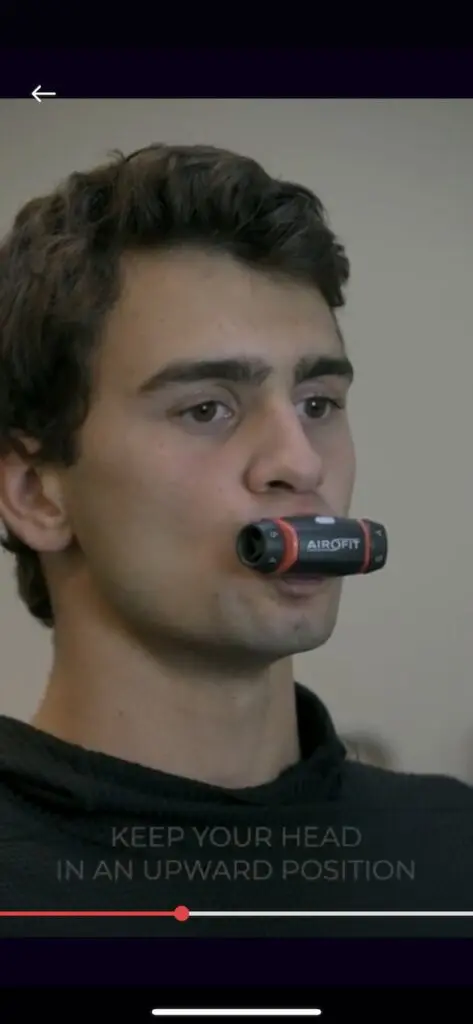
The first step is to measure lung, inspiratory, and expiratory capacities, in order to calibrate the level of demand for the exercises. Performing a good test for all three values simultaneously is not easy, especially since you have to get used to how to clench the mouthpiece in your mouth, at the risk of air escaping from the seal.
Then, you choose either simple exercises or a program aimed at improving endurance, respiratory strength, anaerobic capacity, or even lung capacity. Each program offers a sequence of 24 to 70 exercises, which can then be calibrated for one to 10 minutes, without interruption. There are three difficulty levels (beginner, intermediate, and expert) which, for the same exercise, modify the resistance to be set on the device, the level of inhalation or exhalation, or, even more difficult, the holding time while holding your breath. To improve lung capacity or anaerobic capacity, for example, you must be able to hold your breath for up to 30 seconds after emptying your lungs. The feeling of discomfort is never far away.
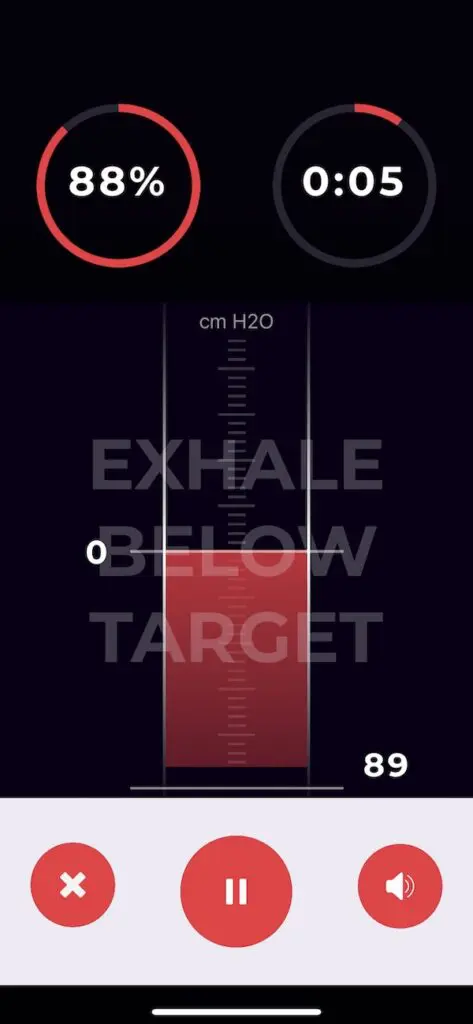
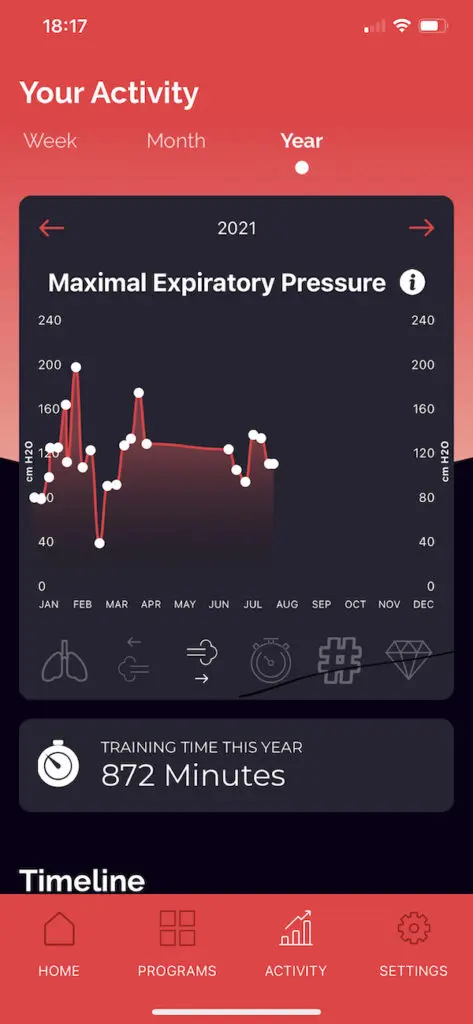
Overall, it took us a few weeks to notice some significant progress in performing the exercises, and to move to the intermediate, then expert level. Lung capacity increased from 4.7 liters to over 7 liters in two months, but it is more than likely that this primarily resulted from mastering the test. A demanding test that absolutely must be performed once a week, otherwise no exercise can be done at all. And when the famous day arrives, you are not always willing to give it your all, and this unfortunately affects the calibration of subsequent exercises.
Moreover, during this period, we suffered two falls, each time affecting the intercostal muscles. While we overcame the first time by continuing training with lower intensities, it was completely impossible to continue training for two months the next time.
Overall, the application proves interesting and genuinely motivating for continuing training. However, we regret that despite the different programs, it’s always somewhat the same exercises that come back.
On the device, there is a detachable part that contains the Bluetooth transmitter. It recharges via a mini USB port, and the battery lasts about two weeks. On the application, you can see the charge status.
We also encountered a Bluetooth connection problem with the device during the test, but it was replaced within 24 hours. Airofit’s customer service (located in Denmark) proved to be impeccable.
What’s the verdict?
Despite several months of practice, it is difficult to draw a definitive conclusion about the benefits of this training for cycling. This is undoubtedly due to two consecutive interruptions during a period of full progress for us. While the principle of respiratory training logically cannot be questioned for improving physical condition or general well-being by a few percent, the use of the Airofit Pro must be diligent and continuous over many weeks to see noticeable progress once on the road. And the price of the system is currently very high.
The Airofit Pro in brief… Rating: * Pros: app tracking, virtual coaching, responsive and efficient customer service Connected respiratory muscle training device – App with virtual coaching and activity tracking – Two mouthpieces – Charging cable – Carrying case – Price: €379 Contact: airofit.com |
=> SEE ALSO: All our Coaching articles
Share the post "Airofit Pro Connected Breathing Trainer Review"