Share the post "Long-term test of RAR Magnum 60 wheels #2: 6000 km on all terrains and in all weather conditions"
A few months after our first impressions of the RAR Magnum 60 wheels, we can now draw a definitive conclusion on the performance and longevity of these high-profile, reasonably weighted, and competitively priced wheels, after more than 6000 km covered on various terrains, in all weather conditions, and with four different riders. Verdict.
By Guillaume Judas – Photos: @3bikes.fr / DR
=> SEE ALSO: Long-term test of RAR Magnum 60 wheels, presentation and first impressions
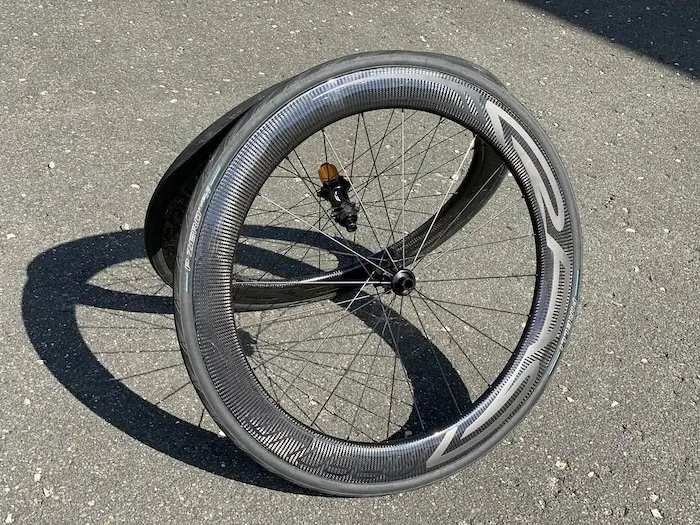
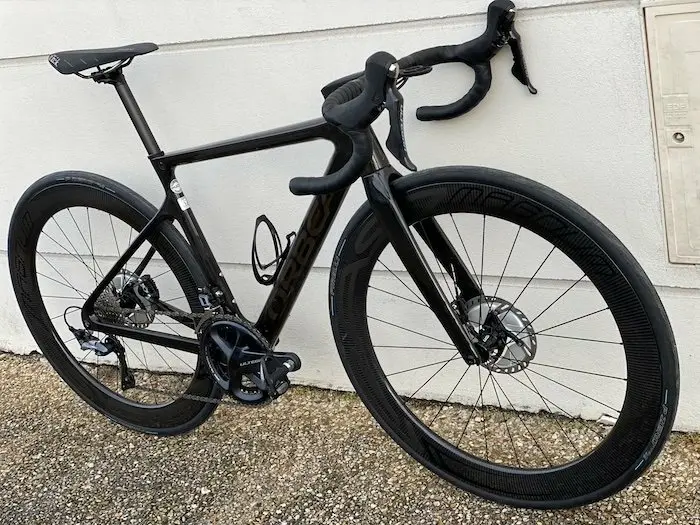
The RAR Magnum 60 wheels in this test were put through their paces over 6000 km, with several users of different builds, and therefore on several bikes. Each time, the same comments came back: ease of handling, fluidity, a certain versatility, and a behavior that doesn’t radically change that of the bike used, while providing performance on rolling courses. The RAR Magnum 60s are aerodynamic wheels with a significant rim depth, but not extreme in the sense that they remain maneuverable and lively in many conditions. Only side wind can sometimes cause handling problems and requires some experience. However, even if in this case they prove more demanding than 40 mm wheels, for example, we found nothing insurmountable, even for a rider under 60 kg.
The right balance
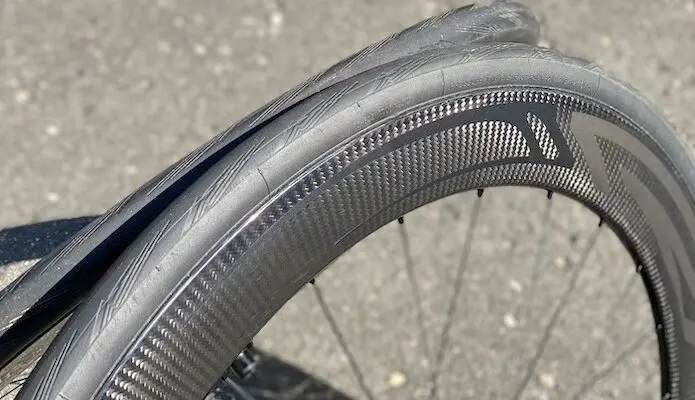
With an internal rim width of 18 mm and a maximum external width of 28 mm (with a slightly convex profile, and thus a width of 25 mm at the hooks), the Magnum 60s favor aerodynamics somewhat at the expense of stability, which is found on wider wheels, but perhaps less effective in terms of sail effect. We know that it is with a three-quarter wind that high rims gain the upper hand in terms of aerodynamics, but then compromises must be made with the stability of the bike. The most effective rims in the wind tunnel are not the widest. In this area, the RAR Magnum 60s seem to strike the right balance, providing good inertia once launched on the flat and allowing for maintaining a high speed of travel quite easily, without being too difficult to handle.
=> SEE ALSO: Ride faster by being more aerodynamic
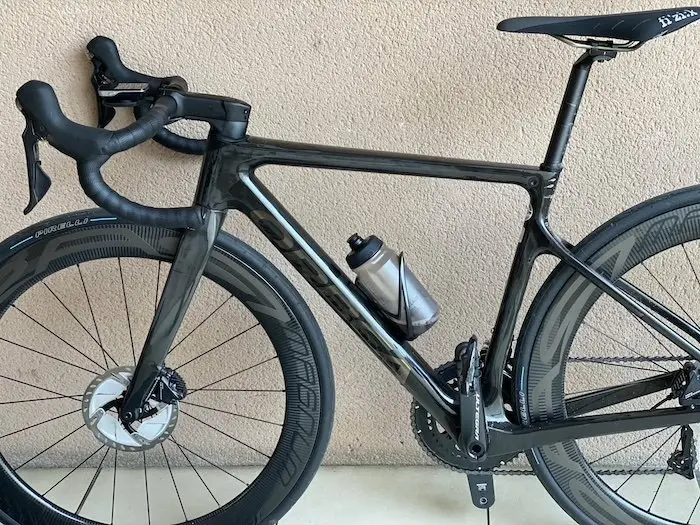
They are both stiff and easy to ride, in the sense that they don’t feel disconnected from the overall behavior of the bike (they were tested with an Orbea Orca OMR, Specialized Roubaix S-Works, Tarmac SL7 S-Works, or a Lapierre Xelius SL), without being harsh or unforgiving, whether on poor road surfaces or climbing short, steep hills.

As for comfort, it is surprising for wheels in this category. This is due to the adapted spoke lacing thanks to the hand-building in the RAR workshops in Maubeuge, but also undoubtedly to the 18 mm internal rim width, which allows a 25 mm tire to be ideally positioned, with a well-opened shape, thus fully benefiting from the characteristics of its casing.

Moreover, this same 25 mm tire is actually measured here with a 27 mm section, which proves to be a good compromise between efficiency, aerodynamics, and comfort, with a pressure around 7 bar.
Aesthetics to match
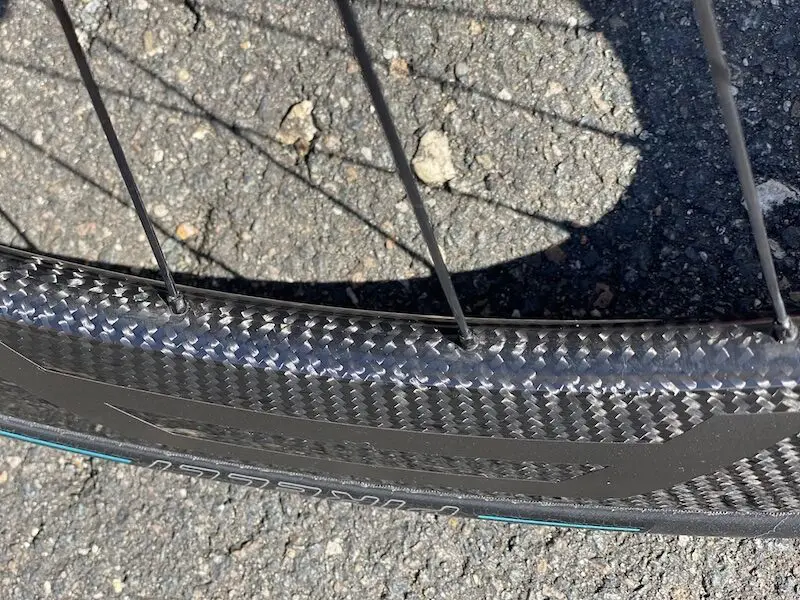
Like many wheels with such high rims, the RAR Magnum 60s enhance the aesthetics of the bike, and this is even more true here with the glossy finish on the carbon weave, which provides some reflections depending on the viewing angle and light.
A finish that does not deteriorate over time, just like the custom stickers ordered, which allows for a tailor-made look in harmony with the bike.

The RAR First hubs are also remarkable, and designed with a geometry intended to ensure spoke reliability, long-term resistance thanks to the thickness of the aluminum walls, a robust freehub, and good overall bearing sealing.
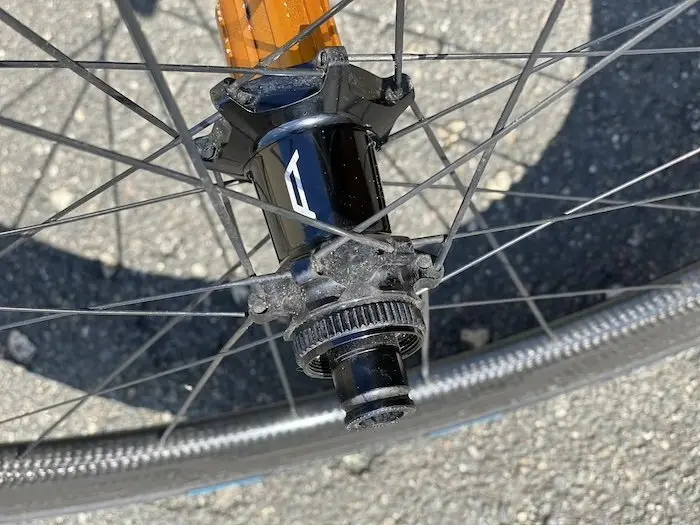
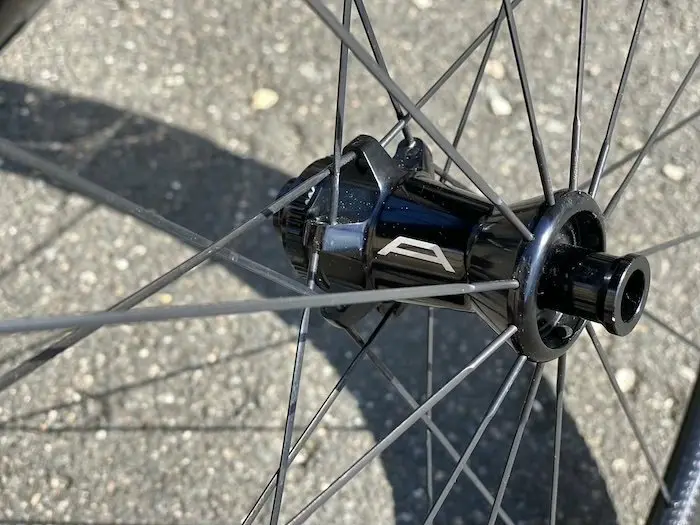
The hubs are not particularly light (380 g per pair), but the Magnum 60s are also available with RAR Eso hubs, which lighten the wheels by 120 g but increase the price by €800.
Hub maintenance is facilitated by the front end cap system, with no play adjustment possible, which can be removed by hand to access the cartridge bearings. After several thousand kilometers, we noted no play, and the front bearings spin like new.
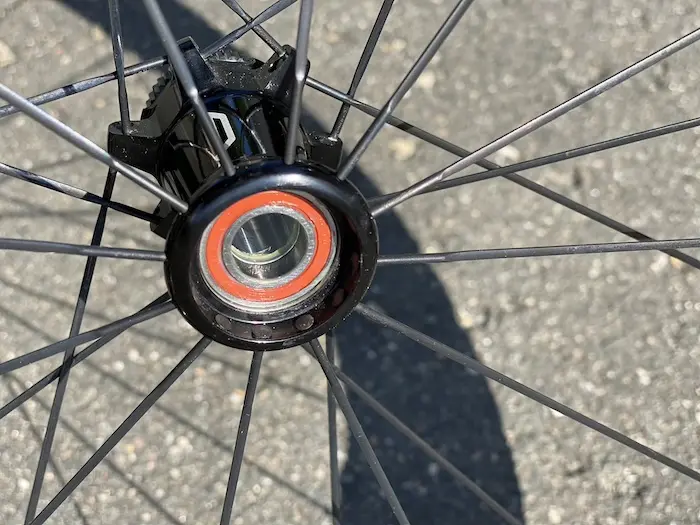
At the rear, removing the end caps requires two 5 mm Allen keys. Again, no play was noted, but one of the three bearings is starting to grind seriously and needs to be replaced. As for the 3-pawl freehub with a steel spring return, its operation is identical to day one, with a rather noticeable clicking sound. The freehub body is slightly marked by several cassette installations and removals, but without any influence on the tightening.
Finally, the thin, elliptical spokes also show no signs of weakness, despite intensive use and testing by two very large riders weighing over 80 kg. A very slight wobble of the rear wheel is noticeable, but it’s quite easy to correct thanks to the accessible spoke nipples.
Excellent value for money
Sold as is for €1399, the RAR Magnum 60s are carbon wheels with excellent value for money, considering their aerodynamics, their weight (performing well with this rim depth), the possibilities for customizing logo and spoke nipple colors, and especially their overall versatile performance. Several months of use also allowed us to verify that they are reliable and robust, and that they require minimal maintenance. As for options, it is possible to opt for spoke lacing (+ €80) and lighter, more performant hubs (+ €800). But it is the tested version that seems most interesting to us, and which stands out as a judicious alternative for those who wish to upgrade a mid-range bike with a well-studied and relatively reasonable price.
The RAR MAGNUM 60 wheels in brief… Rating: ***** Pros: price, finish, performance, comfort, versatility for this type of wheel, reliability Carbon rims with 60 mm depth – 18 mm internal / 25 mm external width – Tubed/tubeless compatible – Spokes: 24 front/rear, laced 3-cross – RAR First Center Lock hubs – 12 mm thru-axles – Weight: 1622 g with rim tape – Supplied with: tubeless valves and wheel bags – Price: €1399 Contact: roues-rar.fr |
=> SEE ALSO: All our Gear articles
Share the post "Long-term test of RAR Magnum 60 wheels #2: 6000 km on all terrains and in all weather conditions"