Share the post "Quick workout: what nutrition?"
After a good day’s work or when time is tight, it’s entirely possible to build your training around short but intense rides. So, how do you organize your nutrition: what to eat before, during, and after a fast ride? Here are some answers.
By Pierre-Maxime BRANCHE. Photos: 3bikes.fr, UYN, D.R.
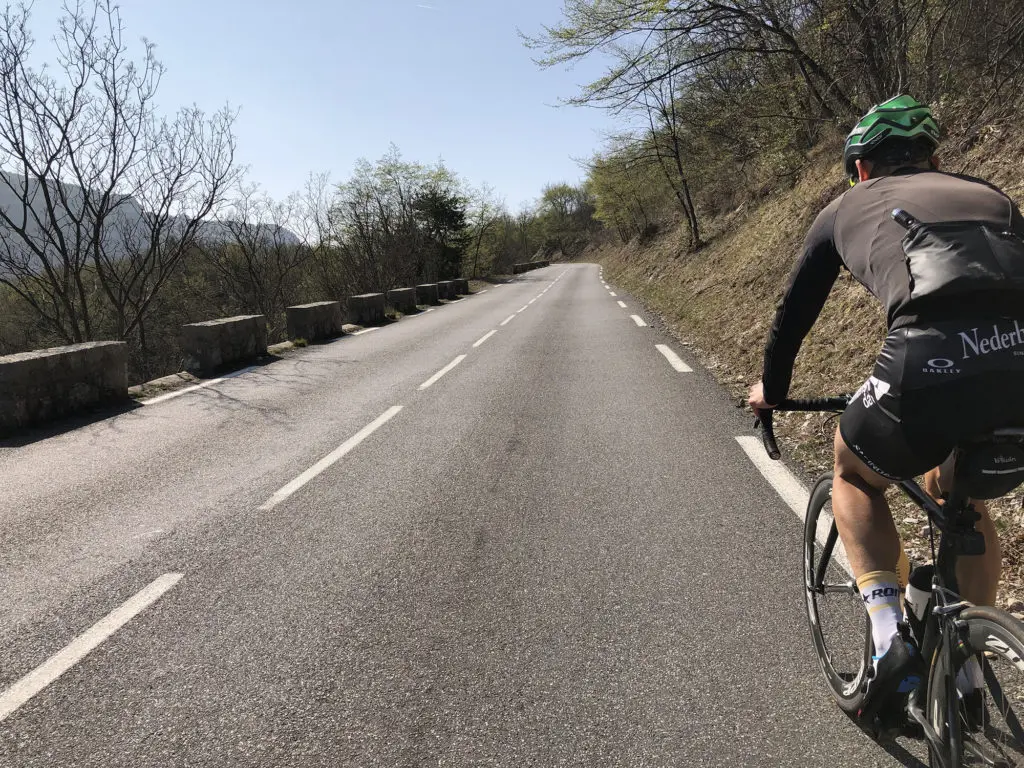
Nutrition during a competition is essential. Nutrition during the training phase should be a reflex. Unfortunately, too many cyclists neglect the dietary approach in their preparation phase in favor of pure training. However, it should be considered as a whole because an intense session sometimes requires as much effort as a competition, especially in terms of glycogen consumption and dehydration. With limited capacities, all the benefits of your work can quickly plateau. That’s why it’s necessary to optimize your energy levels before each of your rides, whether it’s a long endurance ride or a short, intense one.
=> SEE ALSO: Eating healthy to be fit
The latter require as much attention as the former. A short ride, i.e., up to two hours, subjects your body to violent efforts. To ensure it can perform, make sure you’ve given it the essential fuel beforehand and maintain it regularly between pedal strokes.
Before the effort: PLAN
The rule is simple: the efforts to come are known, so you need to prepare your body, which means preserving your hydration and energy reserves. For any self-respecting athlete who wants quality training, it’s not conceivable to go train hard after a day of work or other activities on an empty stomach. For this, there are different solutions to stabilize your blood sugar and thus avoid any disappointment such as hypoglycemia or dehydration, which can have unfortunate repercussions for several days.
1. Consider waiting drinks. They are ready to use, easy to consume when you are in transit or in your car, in small sips. Make the most of this time to boost your energy level. They should be rich in fructose, maltodextrin, and certain minerals, which will provide progressive energy and should be consumed at room temperature. If you don’t have a specific waiting drink, you can also prepare an effort drink based on maltodextrin to promote muscle function.
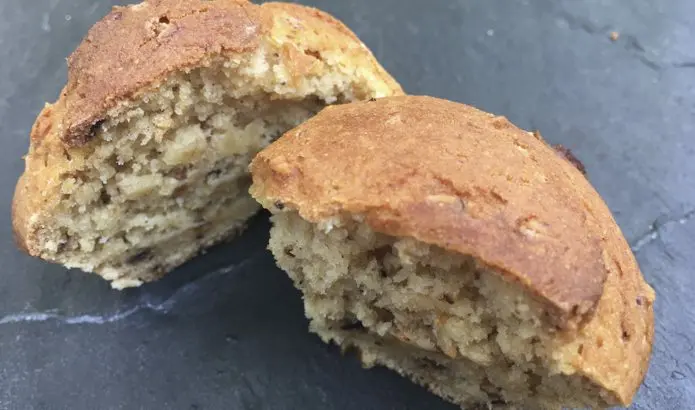
2. Prepare an energy cake! Today, all sports nutrition brands offer them in their ranges. Easy and quick to prepare, they contain all the carbohydrates, proteins, minerals, etc., to meet different types of effort, especially fast and violent ones. Very digestible, they can be consumed as a snack throughout the day and up to one hour before your departure. They can also be prepared up to three days before a target session, frozen, in short, it’s an ideal solution.
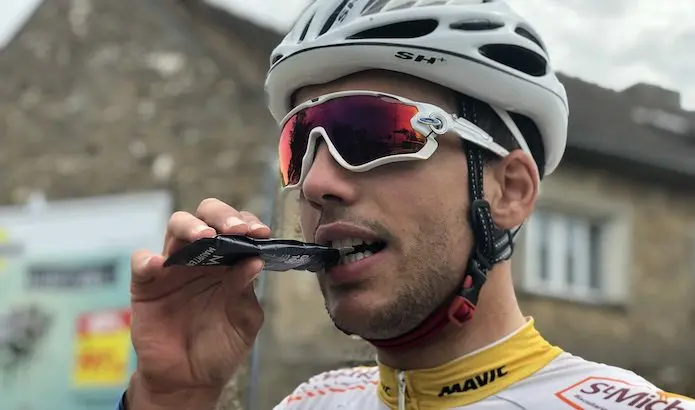
3. Just before you start pedaling, for very short rides, you can consume an energy gel. Primarily intended to provide an adrenaline boost during long efforts, they are generally composed of fast carbohydrates, vitamins B1, B2, nutrients, and even caffeine. An energy gel will thus energize the start of your training and allow your body to perform at its best.
Make it a habit to drink regularly from the start of your rides, in small sips to avoid digestive problems
During the effort: MAINTAIN
Even during a short ride, refueling should be a reflex. You should also accustom your body during training to regular consumption of energy products to avoid discomfort during competition. So, make it a habit to drink regularly from the start of your rides, in small sips to avoid digestive problems, in order to maintain your hydro-mineral levels.
1. Drink an isotonic effort drink. Whenever possible, choose an antioxidant powder to optimize muscle function thanks to its calcium and magnesium content. These drinks compensate for water loss due to effort while providing a diffuse energy boost. Isotonic solutions promote better assimilation by the body. Also, opt for mild flavors to avoid taste saturation, even if this applies more particularly to long-duration efforts.
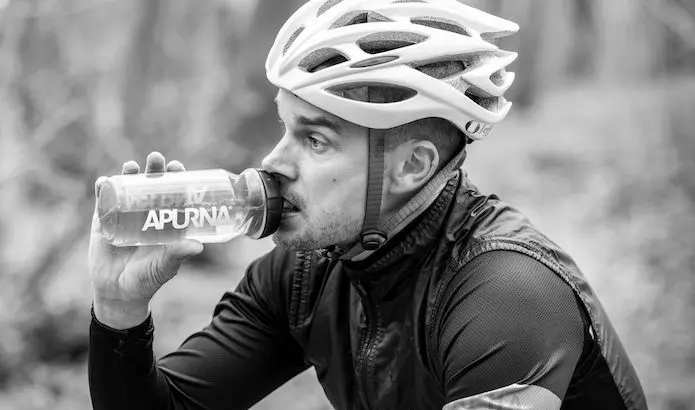
2. During short, intense rides, instant gels are an ideal solution. Easy to transport and consume, they provide an immediate source of energy to prepare for an effort or maintain a high level of performance, thanks to the carbohydrates, minerals, and vitamins they contain. Some even have caffeine to raise the athlete’s attention level! Quickly absorbed, they are generally presented in a tube format and are very quickly assimilated by the body. After absorbing a gel, it is important to ingest a few small sips of drink to further accelerate assimilation and regain some oral comfort after this sugar boost. Antioxidant or not, sweet or savory, with or without caffeine, all types of gels are available on the market.
3. Longer to absorb and assimilate, energy bars are generally consumed during efforts of three hours or more. Nevertheless, in the middle of a short ride, they can fill the feeling of an empty stomach, which can be destabilizing before pushing hard on a series of efforts. Opt for a protein or magnesium bar for muscle contraction.
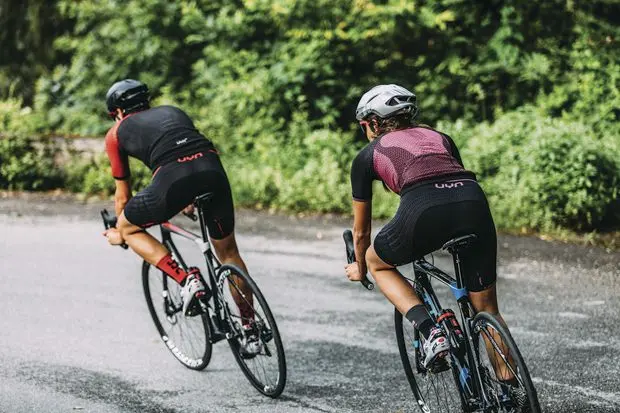
After the effort: REBUILD
Unfortunately too often forgotten, recovery is essential for maintaining general fitness and the proper functioning of your body and muscles in particular. It takes place in three stages:
1. Immediately after the effort, remember to rehydrate well with a mineral-rich drink, to promote the elimination of waste and lactic acid accumulated during the effort.
2. During the meal following your training, prioritize carbohydrate intake to replenish reserves damaged by intensities and allow muscles to regain energy.
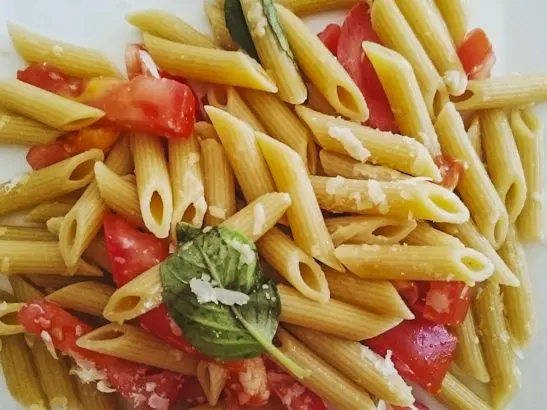
3. Muscles regenerate during the night. To help them rebuild their fibers, consume food supplements based on proteins and branched-chain amino acids (BCAAs) in the evening, for example before going to bed, as they are components of muscle fibers.
After a good night’s sleep, everything will be back in order with a body ready for new efforts.
=> SEE ALSO: All our Coaching articles
Share the post "Quick workout: what nutrition?"