Share the post "To stay performant, should you eat more in winter?"
It’s not always easy to face the cold on the bike. To start warmed up and full of energy, it can be tempting to gobble down certain hearty winter dishes, thinking that you’ll ride better with a warm and full stomach. Is this the right strategy? More than direct heat and quantity, you need to think in terms of caloric intake, i.e., indirect heat, to maintain a good internal body temperature and stay performant.
By Pierre-Maxime BRANCHE. Photos: Castelli and 3bikes.fr
This question often comes up: with the cold, should I eat more or not? Up to about -5°C, it is not necessary to increase your daily caloric intake. In their usual diet, cyclists or triathletes know that they must absorb slow-release carbohydrates to form glycogen, which will be the fuel for their effort, glycogen that will become available in the muscles and liver. This glycogen replenishment should be without excess, and care must be taken not to skip meals, whether the day before or the morning of a big training session or event, knowing that you should eat about three hours before the effort to limit or avoid the appearance of digestive problems due to digestion.
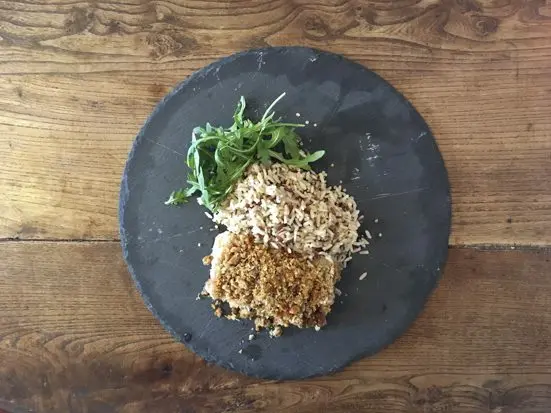
Increase energy intake
The cold still costs more calories because it forces the body to burn more, if only to fight against body heat loss. The advice to remember is not to forget to regularly fuel up during exercise, especially with fast and slow-release carbohydrates, favoring a combination of sweet and savory if the session is long, i.e., more than three hours.
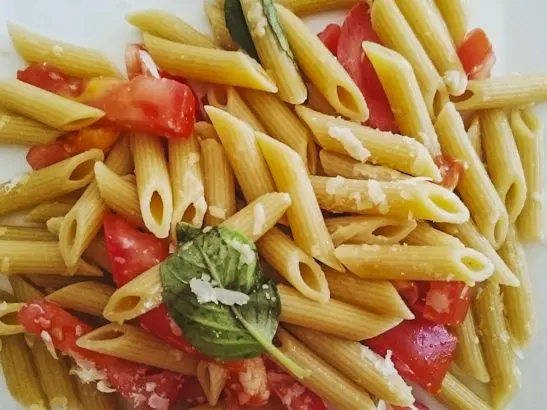
For lower temperatures, starting from -5°C, which ultimately concern very few cyclists and triathletes, it is indeed possible to increase the total energy intake by about 5% for every 5°C drop. Concretely, this means an additional 150 calories for an athlete who consumes 3,000 calories per day. In other words, it’s the equivalent of an extra 50g of raw rice or pasta.

More essential fatty acids
Should you eat big, hearty winter dishes that stick to your ribs, especially if training takes place in very cold regions? No, because this misconception goes against the desired goal of not gaining too much weight off-season, but rather maintaining your race weight. Because it’s colder, the mistake is to believe that you need to eat more fat. However, it’s not about quantity, but rather the quality of fats. If the athlete trains in low temperatures (below -5°C), they should increase the caloric intake of their energy rations by consuming more bread, rice, or pasta and can target more fats by prioritizing essential fatty acids daily with vegetable oils rich in omega-3s (e.g., rapeseed, walnut, soy, etc.).
During rides, you also need to remember to refuel regularly, just as you would the rest of the year when conditions are milder. Depending on individual digestive tolerances, it’s possible to consume up to 50-60g of carbohydrates per hour. This is equivalent, for example, to two or three energy bars, a carbohydrate-rich sports drink dosed at 6% (i.e., 60g per 1 liter), or a combination of both. If the training session is really long, plan for solid and savory food, perhaps even a mini ham or fresh cheese sandwich.
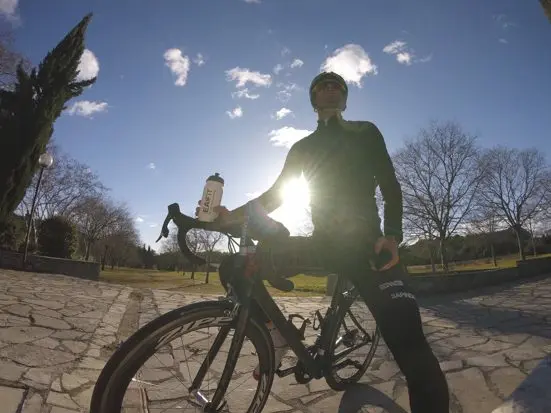
Despite the cold, you must fight dehydration
Another crucial element: hydration. Even in cold weather, you must fight dehydration. Physical exercise raises body temperature and prompts the body to initiate its sweating process to evacuate the heat produced by the effort. The risk in cold weather is to perceive less the need to hydrate, thus insidiously tending towards dehydration with various consequences such as decreased performance, of course, but also the occurrence of injuries. In cold weather, hydration must therefore be emphasized, not in the sense that you need to drink more, but in the sense that you must not forget to hydrate. This requires particular attention.
As for the choice of drink, it is true that drinking hot warms you up. However, there are some pitfalls. For example, putting hot sweetened tea in a water bottle is not advisable because, as a diuretic, it actually promotes dehydration. Physiologically, in terms of adaptation to cold, tea increases the urge to urinate. Another clarification about alcohol: contrary to what you may still hear, alcohol does not warm you up. Certainly, initially, body temperature rises due to vasodilation of blood vessels. But very quickly, this is replaced by a redistribution of alcohol to peripheral tissues like the skin, resulting in internal cooling and a decrease in body temperature. Conclusion? Alcohol, like any diuretic, accentuates dehydration and increases the risk of injuries…
=> SEE ALSO: All our Coaching articles
Share the post "To stay performant, should you eat more in winter?"