Share the post "Training: The Importance of Endurance"
By Guillaume Judas – Photos: Orbea/Mavic/Lapierre/Maratona dles Dolomites/3bikes.fr
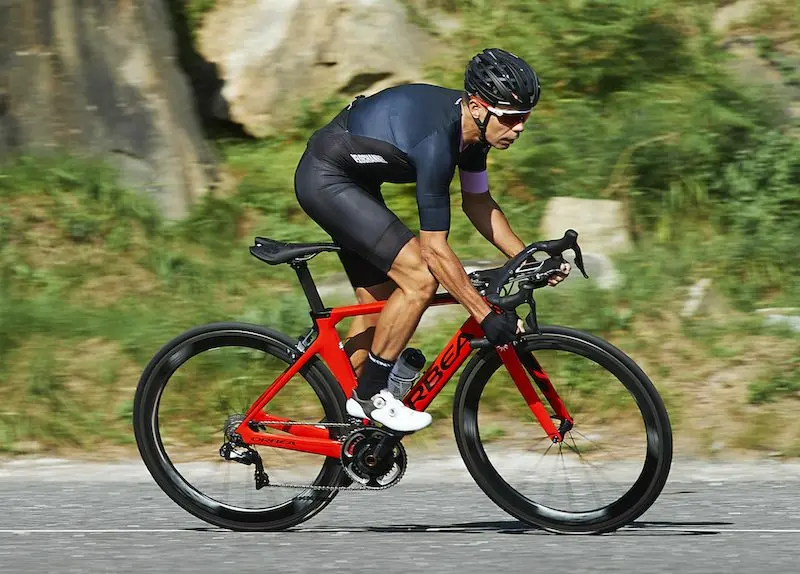
Whatever sport you practice, fundamental endurance must be the foundation of any serious training plan. There is no way around it if you hope to improve, especially in cycling and triathlon, even if so-called modern methods promise miracle results with just a few targeted workouts per week.
Why endurance?

Endurance work improves several factors that are essential to good fitness and to any further progress:
- The capacity of the lungs to deliver the oxygen the muscles need to turn energy reserves into mechanical energy. This exchange takes place through the blood.
- The capacity of the heart to pump this blood in sufficient quantity to the muscles.
- The capacity of the muscles to sustain a given effort over time, thanks to a richer blood supply.
- A greater proportion of fat use as an energy source, compared with sugars, at a given pace.
- The ability to resist fatigue and stay motivated over the long haul.
- A faster recovery after exercise. And therefore it is easier to string several efforts together.
A good level of endurance optimizes your ability to use the available oxygen to the fullest, because this capacity is what pushes back the energy threshold of fatigue. Your endurance level determines the famous lactic acid production threshold, or more precisely, the point when production accelerates to the point that the body can no longer clear it. All experienced athletes know this famous threshold, the limit pace beyond which a few minutes are enough to “blow up”, out of breath, with an empty tank and legs seized up by muscle pain. So we speak of endurance for intensities ranging from a steady pace that is still enough to have a meaningful effect on fitness (below that, we speak rather of active recovery) up to a sustained pace right at the limit of the anaerobic threshold we mentioned above.
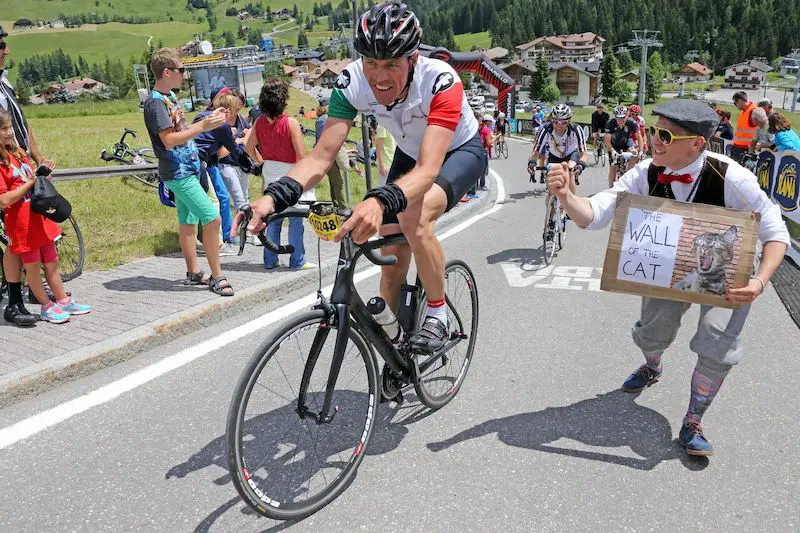
Nevertheless, before wanting to progress in high-level endurance, let’s first look at fundamental endurance, an intensity that is not always understood and controlled by amateur athletes. In other words, before riding fast, you first have to know how to ride slowly. But not too slowly either. To keep it simple, the “right” endurance pace is around 70% of maximum heart rate. This is the intensity at which you should accumulate the most training time, but you also need to be able to hold this pace for longer and longer in order to progress in endurance.
Endurance and health
Without aiming for performance, doing endurance activity has a real benefit for your health. All doctors agree that regular physical exercise protects against hypertension and excess sugar and fat, the factors responsible for clogged arteries and cardiovascular disease. It helps fight certain conditions, such as osteoporosis, type 2 diabetes and some cancers, while strengthening the immune system. Endurance work strengthens the heart by increasing its size and efficiency. With each beat, a bigger heart pumps more blood to meet the body’s needs.
An endurance athlete therefore sees their heart rate drop for a given effort, but also throughout all of the day’s activities.
An endurance athlete therefore sees their heart rate drop for a given effort, but also throughout all of the day’s activities. Resting heart rate is around 70 beats per minute for a sedentary person, while it can drop below 40 for a high-level athlete. Endurance also strengthens breathing capacity and maintains muscle mass, which is essential as we get older. For a regular cyclist or triathlete, what is called fundamental endurance also and above all helps you lose fat and keep your edge. This is one of the reasons it is essential to keep doing long rides throughout the season.

Endurance in cycling
Improving your endurance level raises your ability to sustain an effort for longer, but also makes your rides more comfortable. Some riders want to “gain power and hurt less on the climbs”, when in reality better endurance would let them tackle the difficulty with more reserves already in hand, and therefore more margin relative to their maximum capacities. During a race, endurance makes the difference between two cyclists of equal level, because as fatigue builds up, the more enduring rider sees their maximum capacities decline more slowly than their opponent. Road cycling is a sport with a strong aerobic dominance. That is to say, 95% of the time spent on the bike, even at the top level, takes place in the zone between base endurance and the anaerobic threshold. You may be very fast in a sprint, for example, and therefore have great explosive qualities, but if you never finish a race or cannot keep up with the best riders on the hard sections of the course, you have no chance of winning.
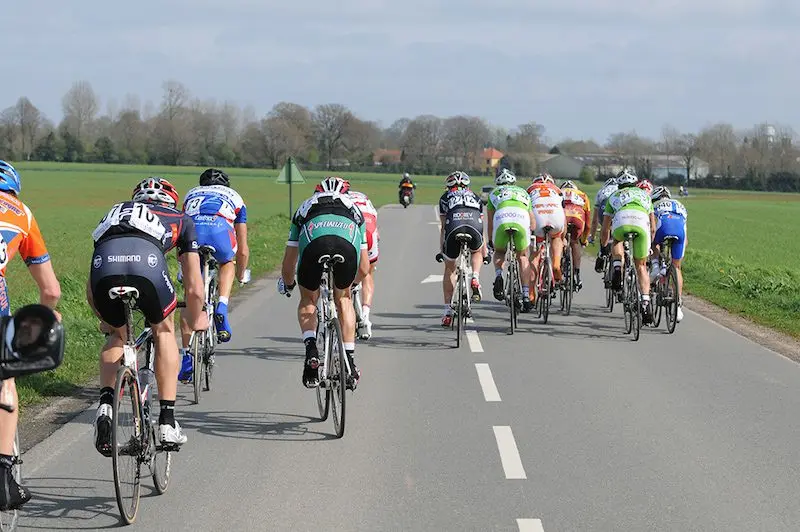
However, a super-enduring cyclist also has no chance of winning if they cannot change pace and produce a lot of power for a few moments, to follow attacks or make the difference. So it is the whole complexity of a well-run training plan: training the body to handle all kinds of demands. That said, so-called endurance rides, the ones that consist of clocking up kilometers at a fairly steady pace, have always been the foundation of any training plan that works. They have sometimes been enough to produce good seasons, alongside races. First, because even without working on other qualities, these rides already build a decent, solid level of fitness. Second, because courses are never completely flat or free of wind. In response to the terrain, the cyclist who only does this type of ride is led to produce power variations that make them work across a wider range of intensities than it seems, almost regardless of their will. This would not be the case if they only did efforts at one targeted intensity, as is often the case in running, for example. It is from this base that you can modernize your training by introducing specific intensity sessions, but never by forgetting this fundamental rule.
Endurance in triathlon
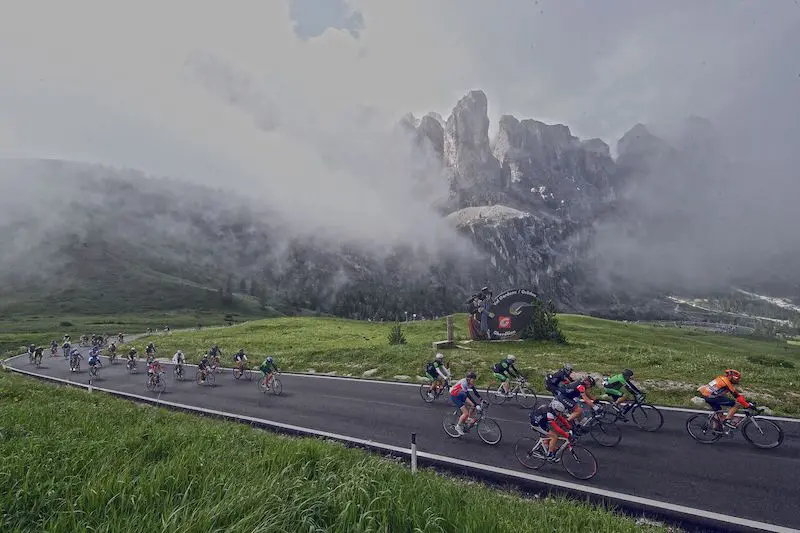
Depending on the race format, the ability to hold a strong pace for a long time matters more or less, but here too base endurance must be the foundation of any training plan. Unlike cycling, however, the longer the distances, the greater the share of the aerobic system (which depends largely on

Risk of imbalance
Like the foundations of a house, base training is meant to provide a solid groundwork for the rest of the season. But also for a career. Thanks to this upfront work, fitness is more stable and less exposed to fatigue setbacks or recovery problems between the main events. Well-built base fitness raises the basic potential of the cyclist or triathlete, who can then do specific sessions designed to optimize their abilities for a precise goal. Endurance is therefore essential to any athlete, whatever their favorite sport. Without endurance, their capacity for progress is limited.
How many people work very hard with short but overly intense sessions, yet never improve?
How many people work very hard with short but overly intense sessions, yet never improve? With new tools like indoor trainers and power meters, or links with other disciplines such as running, it is tempting to optimize training time by targeting only specific intensities, especially those supposed to raise maximum capacities.

But you cannot expect high returns from high-intensity work if the foundations are not solid. For example, developing anaerobic qualities is pointless for those who have not first built up their aerobic qualities. Without base training, the famous anaerobic “threshold” is low in power and heart rate, and you quickly end up in the red, unable to repeat efforts because of the build-up of lactic acid. For a high-level athlete, it is estimated that 80% of training time should be spent in the fundamental endurance zone. This zone is ideal for the warm-up as well as for active recovery between races or hard sessions. It effectively speeds up the clearance of the waste caused by the build-up of lactic acid in the muscles.
-> SEE ALSO: 8 indoor trainer workouts
Endurance: how to use it
If endurance is the base of physical preparation for cycling or triathlon, it is nonetheless obvious that you cannot rely on a single type of intensity to progress. While it is essential to keep a good endurance level throughout the season, it is also worth including some pace variations during the winter or during any return-to-training period. The rule is to impose consistency and gradual progression on your training. This also applies to endurance. Outside competition periods, one or two sessions per week dedicated to endurance work are needed, ideally spaced apart and gradually increasing in length, depending on the goal. You do not start a 6-hour ride in January if you are preparing for the Étape du Tour in July, but it is worth considering a few weeks before the goal, so that you are physically and mentally prepared on the day. During competition periods, unless you feel extreme fatigue between events, one long ride per week should be maintained. In addition, short rides can be reserved for physical and/or technical work, to develop other qualities useful for performance. Triathletes, of course, have every advantage in building their endurance on the bike first, to limit the risk of injury when running, for example.
-> SEE ALSO: Recon of the Étape du Tour 2019
-> SEE ALSO: Work on your weak points
Tangible benefits

For those who still doubt the need to set aside time for fundamental endurance, let’s recall the benefits it can bring to the amateur or occasional cyclist. Week after week, the rider becomes more and more comfortable on their bike. Climbs, descents, or riding with hands in the drops weigh on them less. Breathing is more regular, and above all well controlled. Body fat gradually decreases, they feel less cramped in their clothing, and much more toned as well. But the most tangible sign concerns heart rate. At rest it is more regular and, above all, lower. The day after training, fatigue is only slight and superficial. After an effort of moderate intensity, the heart rate drops faster. And during training, on the usual routes, the heart rate is lower, and they feel less out of breath at the pace they had adopted at the start of the period. Good reasons not to skip steps, right?
-> SEE ALSO: All our Coaching articles
Share the post "Training: The Importance of Endurance"